
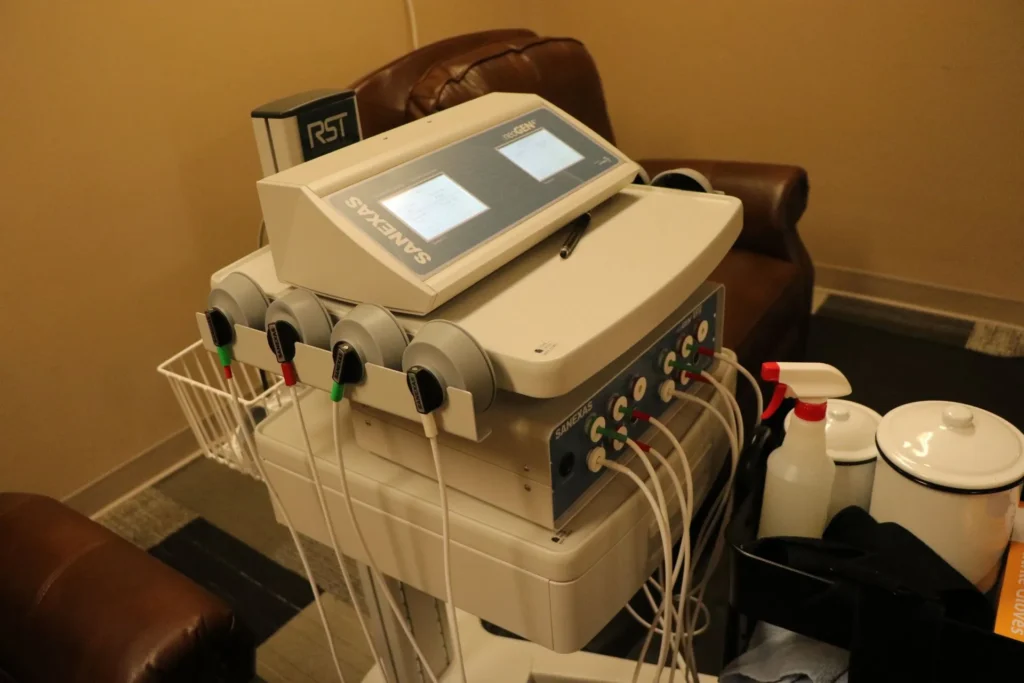
Spinal cord stimulation involves placing a medical device under the skin to deliver mild electrical pulses to specific nerves along the spinal column. Physicians use this targeted neuromodulation to intercept pain signals before they reach the brain. The device is implanted during a minimally invasive procedure, and patients often return home the same day. Here is some information about the evolving technology of spinal cord stimulation devices:
Stimulator Types
Spinal cord stimulation devices deliver specific electrical waveform patterns to targeted nerve clusters. Traditional systems rely on tonic stimulation, which creates a tingling sensation called over the area where the patient feels discomfort. Technological developments have introduced burst and high-frequency waveforms. These options operate at high frequencies that bypass human sensory detection, so patients feel nothing from the electrical pulses. Some patients use a rechargeable unit that must be charged regularly by wearing an external inductive power belt or using a charging wand. Non-rechargeable units run until the internal battery is depleted, and surgery is required to replace the generator.
Device Sizes
A device’s dimensions dictate the size of the surgical pocket a surgeon must create during the initial implantation procedure. Early implantable pulse generators were large and heavy because they contained bulky batteries and thick casings. Technological advances have reduced their size, and modern generators are now significantly smaller, thinner, and lighter.
A low-profile generator fits more discreetly under the subcutaneous tissue of the abdomen or upper buttocks; it also helps minimize localized physical discomfort at the implant site. Biomedical engineers work to reduce the size of internal microchips while also maintaining battery capacity. These improvements allow for longer intervals between replacement procedures.
Treatment Longevity
The operational lifespan of a spinal cord stimulator depends on its battery capacity and the daily energy consumption. These factors vary based on stimulation settings and patient usage patterns. Some patients also need to adjust their settings over time as their physical condition changes; this helps make sure the device continues to meet their needs. Some features that impact device longevity include:
- Non-rechargeable systems: These are also called implantable pulse generators, and they typically last for two to five years. When the battery runs out, the generator needs to be surgically replaced in a minor procedure.
- Rechargeable systems: These systems are common for high-frequency stimulation, which uses more energy. Though they require regular charging, they can last around 10 years. Following the doctor’s charging instructions helps maximize the battery’s lifespan.
- Software updates: Many modern generators receive wireless software updates, extending their lifespan by adding new stimulation patterns without needing more surgery.
Learn More About Spinal Cord Stimulation
Medical device manufacturers regularly update the hardware and software used in advanced neuromodulation therapy. Understanding the variations among spinal cord stimulators, including their sizes and expected battery life, helps you make informed decisions. Your anatomy and lifestyle habits also impact which device features match your long-term needs, and doctors can recommend suitable options. Schedule a consultation with a pain management specialist today, and learn if spinal cord stimulation is right for you.
- How to Use Metromsk.Com: A Reader’s Guide to Finding Answers Faster
- Metromsk.Com Editorial Standards: How Guides Are Researched, Checked and Updated
- Metromsk.Com Topic Desks: A Guide to the Eight Categories and What Each Covers
- How to Protect Your Online Accounts: Passwords, Passkeys, MFA and Phishing
- How to Build an Emergency Fund Step by Step
Explore more helpful articles like this on Metromsk.Com.