
- Jl. Sunset Road No.815, Kuta, Bali 80361
- Ryantylerofficial91@gmail.com
Anxiety manifests in various forms, including generalized anxiety disorder (GAD), social anxiety disorder, panic disorder, and specific phobias; each presents its own set of challenges. When people hesitate to seek professional help, their symptoms can worsen over time. Understanding what this condition is, recognizing its symptoms, and knowing how a professional can help facilitates effective management and relief. What Is Anxiety? Anxiety is a mental health condition characterized by persistent feelings of worry, fear, or unease. Occasional anxiety is a normal response to stress, but chronic anxiety can interfere with daily life. When the condition is left untreated, it can

Psychiatry doctors are medical providers who diagnose and treat mental health conditions. They evaluate your symptoms, and they will design treatment plans based on clinical findings. A psychiatrist can assess conditions like depression, anxiety, PTSD, ADHD, and OCD, and this evaluation guides the care you receive. Since understanding their role helps you know what to expect from your treatment, ask them what they recommend. Thorough Clinical Assessment Process A thorough assessment is the foundation of effective psychiatric care, guiding every treatment decision that follows. Initial Clinical Interview Assessment is the first step in psychiatric care. A psychiatry doctor reviews your
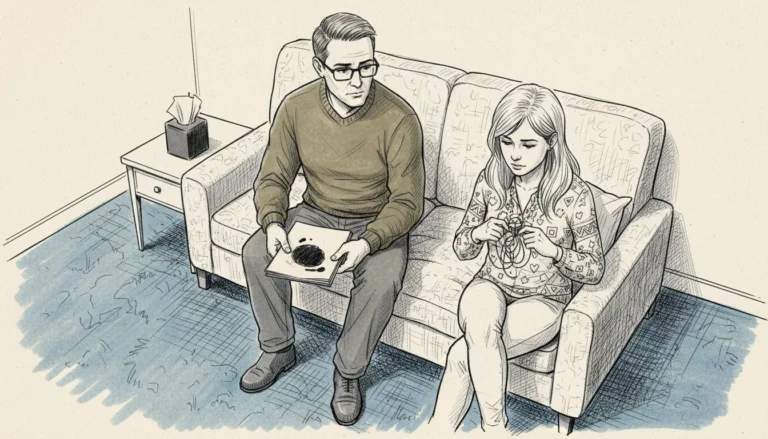
Post-traumatic stress disorder (PTSD) is a mental health condition that develops after a person experiences or witnesses a distressing event. It affects how the brain processes memory, fear, and stress, and it can influence daily life in many ways. Despite how widely the term is used, many ideas about PTSD remain inaccurate. Understanding the facts helps reduce stigma and encourages people to get timely mental health support when they need it. Here’s information on post-traumatic stress disorder and how to manage it: Post-traumatic Stress Happens To Anyone PTSD is not limited to soldiers or people in high-risk jobs, and it

Anxiety can cause persistent worry, tension, and physical symptoms that interfere with daily activities and overall well-being. Helpful techniques such as controlled breathing and professional support may reduce symptoms and improve emotional balance. Here are several helpful techniques for anxiety relief: Calm Your Body Anxiety often shows up physically before you notice it in your thoughts. Your heart races, your breathing shortens, and your muscles tighten without warning. Slow and controlled breathing is a helpful starting point; it signals your nervous system that you are safe. Inhale for four counts, hold for four, then exhale for six, and repeat this

A crisis can disrupt access to in-person mental health care. Telehealth offers a practical alternative, and it connects you with professionals from home. When travel is impossible or resources shrink, remote care remains available. You can maintain support during difficult periods without added strain. Reach Support During Emergencies Distance no longer limits your care options. Telehealth removes travel barriers, and it delivers support through phones or computers. Appointments happen from your home, so scheduling becomes easier. Flexible access helps when transportation is unreliable. You can join a session from any quiet space, and providers accommodate your schedule. Crisis situations rarely
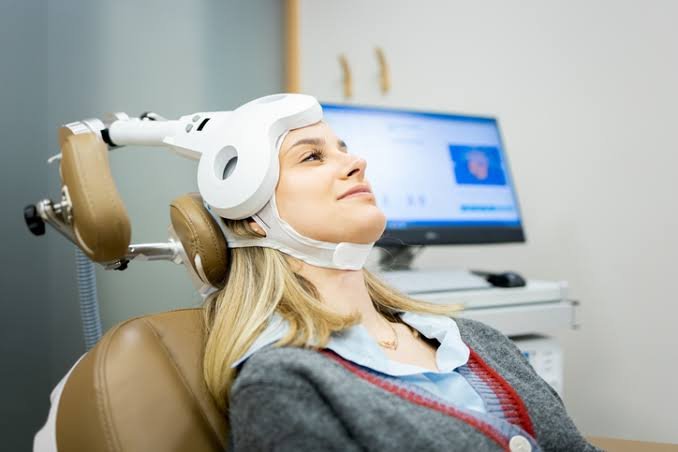
Transcranial magnetic stimulation, or TMS, is a non-invasive option for patients who have not experienced the desired results with other therapies. TMS uses magnetic pulses to stimulate your brain. This stimulation calms certain areas of the brain, or it can stimulate underactive areas. Here is more information about transcranial magnetic stimulation and how it works: Introducing TMS Therapy TMS is a non-invasive brain stimulation therapy that uses magnetic pulses to activate targeted areas of the brain. Because the brain relies on electrical activity to regulate mood and behavior, TMS therapy modulates this activity. Patients typically receive TMS sessions in a

Telehealth platforms connect individuals experiencing depression with licensed therapists through secure video, phone, and messaging sessions. These services provide flexible scheduling, broader access to providers, and evidence-based treatment options that support ongoing care. They expand access to mental health support by reducing barriers such as location and limited local availability of in-person therapy. Here is more information about telehealth solutions for overcoming depression: Cognitive Behavioral Therapy for Depression Cognitive Behavioral Therapy (CBT) is a widely used treatment for depression and adapts well to telehealth settings. It focuses on how negative thought patterns influence emotions and behaviors, helping individuals identify and

Behavioral health concerns affect how people manage emotions, thoughts, and daily functioning in structured settings such as workplaces. Clinical care uses detailed assessments and treatment to help patients manage these concerns. Physicians identify and address conditions such as anxiety, depression, ADHD, mood disorders, and PTSD. Here are some ways these services provide support in the workplace: Providing Mental Health Evaluations Behavioral health evaluations assess focus and emotional stability, along with organization and daily routines, to guide treatment that helps people manage work responsibilities. The assessment identifies specific conditions, and it guides the creation of a personalized treatment plan. It also

In today’s fast-moving world, people often focus on physical health but forget that the mind also needs care. Mental health awareness is about understanding our emotions, thoughts, and behaviors, and recognizing when we need support. Just like our body, our mind can become tired, stressed, or overwhelmed. When we learn how to care for our mental health, we can live a happier, more balanced life. This article explains mental health awareness and provides simple self-care tips that anyone can follow in everyday life. What Is Mental Health? Mental health refers to our emotional, psychological, and social well-being. It affects how

Stress and anxiety have become common parts of modern life. Many people feel overwhelmed by work, family responsibilities, financial worries, and the constant flow of information from phones and social media. While a little stress can sometimes motivate us, too much stress can harm our mental and physical health. It can lead to headaches, poor sleep, irritability, and even serious health problems over time. The good news is that there are many natural ways to reduce stress and anxiety. These methods are simple, safe, and can easily become part of your daily routine. By practicing healthy habits and taking care