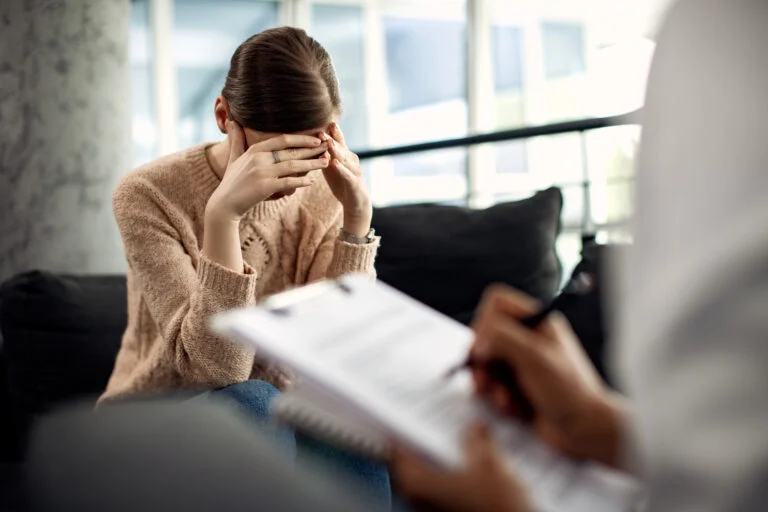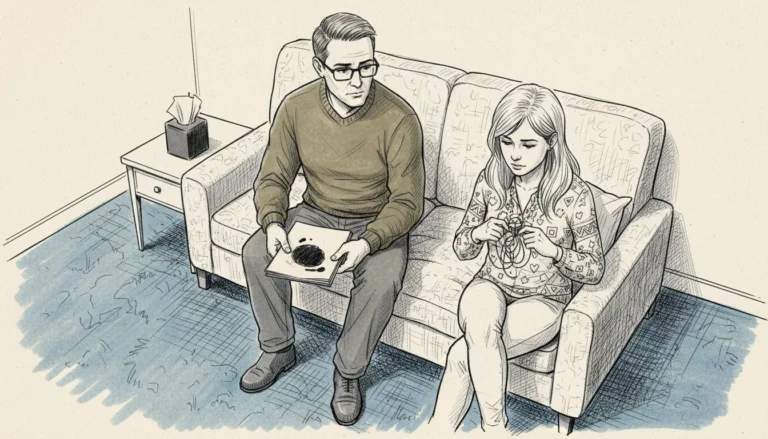

Stress and anxiety have become common parts of modern life. Many people feel overwhelmed by work, family responsibilities, financial worries, and the constant flow of information from phones and social media. While a little stress can sometimes motivate us, too much stress can harm our mental and physical health. It can lead to headaches, poor sleep, irritability, and even serious health problems over time.
The good news is that there are many natural ways to reduce stress and anxiety. These methods are simple, safe, and can easily become part of your daily routine. By practicing healthy habits and taking care of your mind and body, you can feel calmer, happier, and more balanced.
Below are some effective and natural ways to manage stress and anxiety.
1. Practice Deep Breathing
Deep breathing is one of the easiest and fastest ways to calm your mind. When you feel stressed or anxious, your breathing becomes fast and shallow. This sends signals to your brain that you are in danger.
Deep breathing does the opposite. It tells your brain and body to relax.
Try this simple method:
- Sit or lie down comfortably.
- Slowly breathe in through your nose for 4 seconds.
- Hold your breath for 3 seconds.
- Slowly breathe out through your mouth for 5 seconds.
Repeat this for a few minutes. You will start to feel calmer and more relaxed.
2. Exercise Regularly
Physical activity is a powerful natural stress reliever. When you exercise, your body releases chemicals called endorphins. These chemicals improve mood and reduce feelings of stress and anxiety.
You don’t need intense workouts to benefit. Simple activities can help, such as:
- Walking
- Jogging
- Cycling
- Swimming
- Yoga
- Stretching
Even 20–30 minutes of daily exercise can make a big difference in how you feel.
3. Get Enough Sleep
Lack of sleep can make stress and anxiety much worse. When your body and mind are tired, it becomes harder to handle everyday challenges.
Most adults need about 7–9 hours of sleep each night.
To improve your sleep:
- Go to bed at the same time every night
- Avoid using phones before sleeping
- Reduce caffeine in the evening
- Create a quiet and dark sleeping environment
Good sleep helps your brain reset and prepares you for the next day.
4. Spend Time in Nature
Nature has a calming effect on the mind. Spending time outdoors can reduce stress levels and improve mood.
You can try:
- Walking in a park
- Sitting in a garden
- Hiking in the mountains
- Watching the sunset
- Listening to birds or natural sounds
Even 10–15 minutes in nature can help you feel more relaxed and refreshed.
5. Practice Mindfulness and Meditation
Mindfulness means focusing on the present moment without worrying about the past or the future. Meditation is a simple practice that helps train your mind to stay calm and focused.
You can start with just a few minutes a day:
- Sit quietly in a comfortable position.
- Close your eyes.
- Focus on your breathing.
- If your mind wanders, gently bring your attention back to your breath.
Regular meditation can reduce anxiety, improve concentration, and increase emotional balance.
6. Maintain a Healthy Diet
What you eat affects how you feel. A poor diet can increase stress and make anxiety worse.
Try to include healthy foods such as:
- Fruits and vegetables
- Whole grains
- Nuts and seeds
- Fish and lean protein
- Plenty of water
Avoid too much sugar, caffeine, and processed foods. These can increase nervousness and mood swings.
A balanced diet gives your body the nutrients it needs to manage stress effectively.
7. Connect With Others
Human connection is very important for emotional health. Talking with friends or family members can help reduce stress and make you feel supported.
You don’t always need advice. Sometimes simply sharing your thoughts and feelings can make a big difference.
Ways to stay connected include:
- Calling a friend
- Meeting family members
- Joining community groups
- Talking with a trusted person
Healthy relationships provide comfort and help you handle difficult situations.
8. Limit Social Media and Screen Time
Spending too much time on social media can increase anxiety and stress. Constant notifications, negative news, and comparing yourself to others can affect your mental well-being.
Try setting limits on your screen time.
You can:
- Turn off unnecessary notifications
- Take breaks from social media
- Spend more time doing offline activities
- Read books or pursue hobbies instead
Reducing digital overload can help your mind relax.
9. Enjoy Relaxing Activities
Doing activities you enjoy is a natural way to reduce stress. Hobbies allow your mind to focus on something positive and creative.
Some relaxing activities include:
- Reading books
- Listening to music
- Painting or drawing
- Gardening
- Cooking
- Writing in a journal
These activities help shift your attention away from worries and bring joy to your daily life.
10. Practice Gratitude
Gratitude means appreciating the good things in your life. When you focus only on problems, stress grows stronger. But when you focus on what you are thankful for, your mindset becomes more positive.
You can start a gratitude habit by:
- Writing three things you are thankful for each day
- Appreciating small moments
- Saying thank you more often
- Reflecting on positive experiences
This simple practice can improve happiness and reduce anxiety.
Final Thoughts
Stress and anxiety are normal parts of life, but they should not control your happiness. The natural methods mentioned above can help you manage stress in a healthy and effective way.
Remember that small changes can lead to big improvements. Start with one or two techniques that feel comfortable for you. Over time, these habits will help you build a calmer and healthier life.
Taking care of your mental health is just as important as taking care of your physical health. Be patient with yourself and give your mind the rest and support it deserves.
Frequently Asked Questions (FAQs)
1. What is the fastest natural way to reduce stress?
Deep breathing is one of the fastest natural methods. Slow breathing helps calm the nervous system and reduces stress within minutes.
2. Can exercise really reduce anxiety?
Yes. Exercise releases endorphins, which improve mood and lower stress levels. Even simple activities like walking can help reduce anxiety.
3. How does sleep affect stress levels?
Poor sleep makes it harder for the brain to manage emotions and stress. Getting enough sleep helps your body recover and improves mental balance.
4. Is meditation helpful for anxiety?
Yes. Meditation helps train the mind to stay calm and focused. Regular practice can reduce anxiety and improve emotional control.
5. How long does it take for natural stress relief methods to work?
Some techniques like breathing exercises work within minutes, while habits like exercise, meditation, and healthy eating may take a few weeks to show stronger long-term benefits.
For more easy-to-follow guides, visit Metromsk.Com.