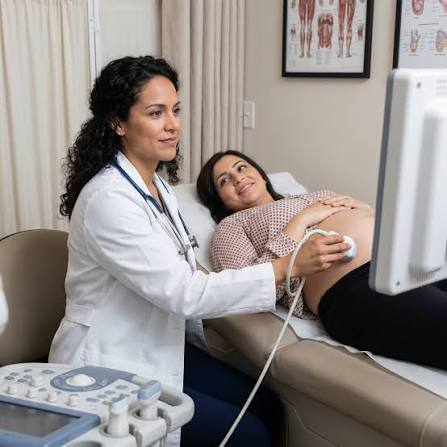
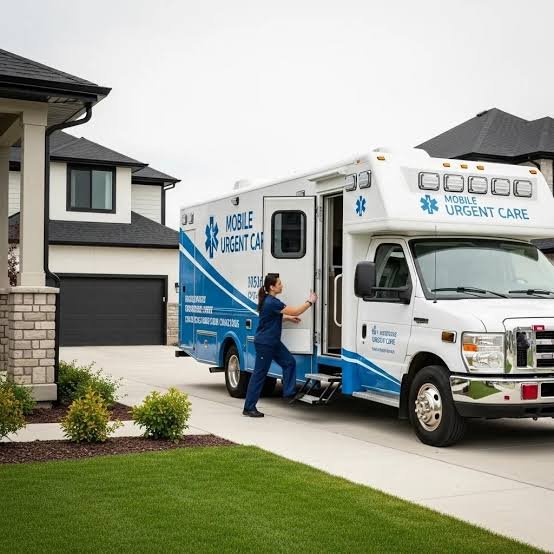
Urgent care, or walk-in clinics, provides timely medical attention for non-life-threatening illnesses and injuries that need prompt treatment but may not require an emergency room visit. Understanding the difference between walk-in clinics and emergency services can help patients make informed decisions and make sure that serious symptoms receive the appropriate level of care. Here are key situations when urgent care may be the right choice:
Understanding Urgent Care Services
Walk-in clinics fill the gap between your regular doctor and the emergency room. You can walk in without an appointment; the staff handles various common orthopedic problems quickly. These clinics treat sprains, strains, minor fractures, and muscle injuries that require prompt attention but do not threaten your life. Athletes often turn to urgent care after a hard practice or game. A sprained ankle, a sore shoulder, or a strained knee can all be treated here, and some clinics offer on-site X-rays. The team can splint a joint, wrap a sprain, or order imaging to find the source of your pain.
Recognizing Emergency Warning Signs
Some injuries need more than walk-in clinics can offer, and knowing these signs helps you respond quickly. The following situations point toward the emergency room rather than a walk-in clinic:
- Visible bone breaks: A bone that protrudes through the skin or lies at an odd angle requires emergency care.
- Heavy bleeding: If a wound bleeds heavily and does not slow with pressure, head to the ER, where staff can control it fast.
- Severe joint dislocation: A shoulder or hip that pops out of place may require specialized treatment.
- Loss of feeling or movement: Numbness, tingling, or inability to move a limb signals a deeper problem that requires prompt evaluation.
- Signs of shock: Pale skin, rapid breathing, or fainting after an injury are serious, and you should seek emergency help right away.
Knowing when to seek emergency care can make a key difference in getting proper treatment and recovery.
Assessing Symptom Severity
The speed at which your symptoms appear tells you a lot about where to go. A sprain that swells slowly over a few hours often aligns with urgent care, but sudden, intense swelling may need a closer look. Pay attention to how your body responds in the first moments after an injury. Severity matters just as much as speed. Mild pain that lets you walk or move points toward a walk-in clinic, while pain that stops you cold may signal something significant.
Knowing When Referrals Help
Urgent care handles various injuries, but the staff may refer you to a specialist or hospital for further treatment. A referral is a helpful step that connects you with the right level of care. Here are common reasons a clinic may point you elsewhere:
- Complex fractures: A break that involves several bone pieces often needs an orthopedic surgeon, and the clinic will guide you there.
- Surgery needs: Torn ligaments or tendons that require an operation fall outside a walk-in clinic’s scope.
- Advanced imaging: Some injuries require an MRI or CT scan that the clinic cannot perform on-site.
- Ongoing care: A joint that needs long-term therapy may be referred to a physical therapist or specialist.
- Unclear diagnosis: If the cause of your pain remains uncertain, the staff may refer you to a provider with more diagnostic tools.
These referrals make sure that you receive appropriate care for your condition, tailored to your specific medical needs.
Schedule Your Urgent Care Appointment
Choosing between walk-in clinics and the emergency room depends on the severity and type of your injury. Walk-in clinics treat sprains, strains, minor fractures, and many joint problems quickly, while the ER handles severe breaks, heavy bleeding, and other serious cases. Contact a reputable urgent care center near you to schedule your appointment today.
Read more in-depth guides on Metromsk.Com.
- How to Use Metromsk.Com: A Reader’s Guide to Finding Answers Faster
- Metromsk.Com Editorial Standards: How Guides Are Researched, Checked and Updated
- Metromsk.Com Topic Desks: A Guide to the Eight Categories and What Each Covers
- How to Protect Your Online Accounts: Passwords, Passkeys, MFA and Phishing
- How to Build an Emergency Fund Step by Step