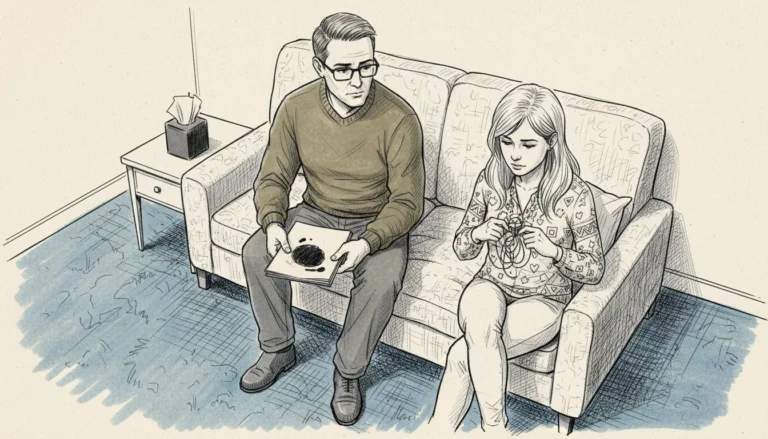

In today’s fast-moving world, people often focus on physical health but forget that the mind also needs care. Mental health awareness is about understanding our emotions, thoughts, and behaviors, and recognizing when we need support. Just like our body, our mind can become tired, stressed, or overwhelmed. When we learn how to care for our mental health, we can live a happier, more balanced life.
This article explains mental health awareness and provides simple self-care tips that anyone can follow in everyday life.
What Is Mental Health?
Mental health refers to our emotional, psychological, and social well-being. It affects how we think, feel, and act in daily situations. It also influences how we handle stress, make decisions, and build relationships with others.
Good mental health does not mean a person never feels sad or stressed. Life naturally brings challenges, disappointments, and difficult moments. However, a mentally healthy person can cope with these challenges, recover from setbacks, and continue moving forward.
Mental health awareness helps people understand that mental health is just as important as physical health. It encourages people to talk openly about emotions and seek help when needed.
Why Mental Health Awareness Is Important
For many years, mental health was often ignored or misunderstood. People felt embarrassed to talk about their feelings, which caused many individuals to suffer silently.
Mental health awareness is important because it:
- Helps people recognize the signs of mental health struggles
- Reduces stigma around talking about emotions
- Encourages people to seek professional help
- Promotes kindness and understanding toward others
- Improves overall quality of life
When society becomes more aware of mental health, people feel safer discussing their struggles and finding support.
Signs That Your Mental Health Needs Attention
Sometimes it can be difficult to recognize when we are struggling mentally. However, there are some common signs that may show we need to take better care of our mental health.
Some signs include:
- Feeling constantly sad or hopeless
- Losing interest in activities you once enjoyed
- Trouble sleeping or sleeping too much
- Feeling tired all the time
- Difficulty concentrating
- Feeling anxious, worried, or overwhelmed
- Avoiding friends, family, or social situations
If these feelings continue for a long time, it is important to talk to someone you trust or seek professional support.
What Is Self-Care?
Self-care means taking intentional steps to care for your mind, body, and emotions. It involves activities that help you relax, recharge, and maintain balance in your life.
Many people believe self-care is selfish, but in reality, it is necessary. When we take care of ourselves, we become better able to support others, work effectively, and handle life’s challenges.
Self-care can be simple and does not need to be expensive or complicated.
Simple Self-Care Tips for Better Mental Health
Here are some practical self-care tips that can improve your mental well-being.
1. Get Enough Sleep
Sleep is essential for both physical and mental health. Lack of sleep can increase stress, irritability, and difficulty concentrating.
Try to sleep 7–9 hours every night. Create a bedtime routine, avoid screens before sleeping, and keep your sleeping environment comfortable.
2. Stay Physically Active
Exercise is one of the best ways to improve mental health. Physical activity releases chemicals in the brain that boost mood and reduce stress.
You do not need intense workouts. Simple activities like walking, cycling, stretching, or dancing can help improve your mood and energy levels.
3. Practice Mindfulness and Relaxation
Mindfulness means focusing on the present moment without worrying about the past or future.
Practices such as meditation, deep breathing, or yoga can help calm the mind and reduce anxiety. Even spending a few minutes each day breathing slowly can make a big difference.
4. Stay Connected With People
Humans are social beings. Talking to friends, family members, or loved ones can help reduce feelings of loneliness.
Sharing your thoughts and emotions with someone you trust can provide comfort and perspective during difficult times.
5. Limit Social Media and Screen Time
While technology can help us stay connected, too much screen time can negatively affect mental health.
Constant comparison on social media can lead to feelings of insecurity or stress. Try to take regular breaks from screens and focus on real-life activities.
6. Eat a Healthy and Balanced Diet
What we eat can affect how we feel mentally and physically.
Eating nutritious foods such as fruits, vegetables, whole grains, and healthy proteins can support brain health and improve mood. Drinking enough water also helps maintain energy and concentration.
7. Set Realistic Goals
Sometimes people feel stressed because they set unrealistic expectations for themselves.
Break large tasks into smaller steps and celebrate small achievements. Progress, even if slow, is still progress.
8. Take Breaks and Rest
Working continuously without breaks can cause mental exhaustion.
Take short breaks during the day to relax your mind. Step outside, stretch, or simply breathe deeply for a few minutes.
9. Do Activities You Enjoy
Hobbies and enjoyable activities play an important role in mental well-being.
Reading, painting, gardening, cooking, listening to music, or spending time in nature can help reduce stress and improve happiness.
10. Seek Professional Help When Needed
Sometimes self-care alone is not enough. If mental health struggles become overwhelming, it is important to seek professional help.
Psychologists, therapists, and counselors are trained to help people manage stress, anxiety, depression, and other mental health challenges.
Seeking help is not a sign of weakness—it is a sign of strength and self-awareness.
Building a Healthy Mental Health Routine
Improving mental health does not happen overnight. It requires small, consistent habits over time.
You can start by creating a simple daily routine that includes:
- Getting enough sleep
- Eating nutritious meals
- Spending time with supportive people
- Practicing relaxation or mindfulness
- Doing something enjoyable every day
Even small changes can create a big impact on your mental well-being.
Breaking the Stigma Around Mental Health
One of the biggest challenges in mental health awareness is stigma. Many people fear being judged if they talk about their emotional struggles.
However, mental health issues are common, and millions of people experience them at some point in their lives.
By talking openly about mental health, supporting one another, and encouraging professional help, society can create a safer and more understanding environment.
Final Thoughts
Mental health awareness is an important step toward creating healthier individuals and communities. When people understand the importance of mental well-being, they are more likely to take care of themselves and support others.
Self-care does not need to be complicated. Simple actions like getting enough sleep, staying active, connecting with loved ones, and practicing mindfulness can greatly improve mental health.
Remember that taking care of your mind is just as important as taking care of your body. A healthy mind helps you live a happier, more balanced, and meaningful life.
Frequently Asked Questions (FAQs)
1. What is mental health awareness?
Mental health awareness means understanding mental health conditions, recognizing their signs, and encouraging open conversations about emotional well-being.
2. Why is self-care important for mental health?
Self-care helps reduce stress, improve mood, increase energy, and maintain emotional balance. It allows people to manage life challenges more effectively.
3. What are some quick self-care activities?
Quick self-care activities include taking deep breaths, going for a short walk, listening to music, talking with a friend, or spending a few minutes practicing mindfulness.
4. When should someone seek professional help for mental health?
A person should seek professional help if they experience persistent sadness, anxiety, mood changes, or difficulty managing daily activities for a long period of time.
5. Can lifestyle changes improve mental health?
Yes. Healthy habits such as regular exercise, balanced nutrition, proper sleep, and strong social connections can significantly improve mental well-being.
Discover more useful reads on Metromsk.Com.