

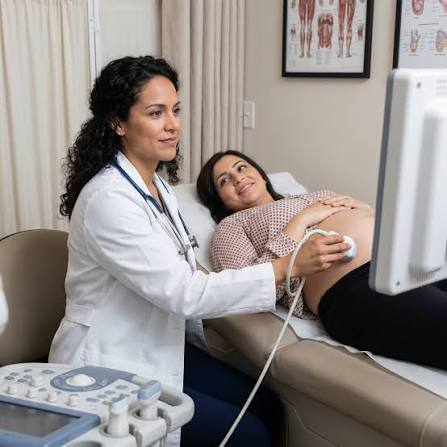
A gynecologist is a healthcare specialist who diagnoses, treats, and helps prevent conditions affecting the female reproductive system. Regular visits to a gynecologist can help women address menstrual health concerns and complete preventive screenings. Here are some signs and situations that indicate when to visit a gynecologist:
Routine Exams and Screenings
Routine visits to a gynecologist are a fundamental part of preventive care. Medical organizations recommend a first gynecological visit between ages 13 and 15, although this appointment usually involves a conversation rather than a pelvic exam. Adult women typically schedule an annual well-woman visit, and the gynecologist uses this time to review medical history, check blood pressure, and perform a breast or pelvic exam when appropriate.
Cervical cancer screening is a common part of these visits. A Pap test collects cells from the cervix so a lab can check for changes, and an HPV test checks for the human papillomavirus. Screening frequency depends on your age and past results, so your gynecologist sets a schedule that fits your history.
Menstrual and Reproductive Concerns
Menstrual cycles vary from person to person, but certain patterns require a conversation with a gynecologist. Periods that last longer than seven days, occur less than 21 days apart, or stop for several months without pregnancy are worth discussing. Heavy bleeding that requires a new pad or tampon every hour is another reason to book a visit. A gynecologist reviews your cycle history and may recommend tests to identify the cause.
Difficulty conceiving is another common concern. Couples often seek an evaluation after 12 months of trying without success, while women over 35 commonly seek one after six months. During the visit, the gynecologist asks about cycle regularity, past pregnancies, and medical history.
Unusual Symptoms and Discomfort
Some symptoms signal a need for an appointment outside of routine visits, and prompt attention helps clarify the cause. Tracking when symptoms start gives your gynecologist useful details. Contact the office if you notice any of the following:
- Pelvic pain: Ongoing or sharp pain in the lower abdomen that interferes with daily activities.
- Unusual discharge: Changes in the color, odor, or texture of vaginal discharge.
- Itching or burning: Persistent irritation in the vaginal area or pain during urination.
- Bleeding between periods: Spotting outside the normal cycle or after sex.
- Pain during intercourse: Discomfort that occurs regularly during or after sex.
Personalized Reproductive and Menopause Care
Reproductive needs change over time, and a gynecologist can guide you at each stage. Adolescents often seek information about periods and birth control, while adult women may focus on pregnancy or menopause. The following topics are common reasons for a visit.
Contraception and Pregnancy Planning
A gynecologist explains contraceptive options, including pills, intrauterine devices (IUDs), implants, and barrier methods. Each method differs in how it works, how often you use it, and its possible side effects. If you plan to become pregnant, schedule a preconception visit to review medications, vaccines, and nutrition.
Menopause and Midlife Care
Menopause marks the point when periods have stopped for 12 consecutive months. The years leading up to it, called perimenopause, often cause hot flashes, sleep changes, and irregular cycles. A gynecologist reviews these changes and discusses management options with you. Screenings such as bone density tests also become part of care during this stage.
Consult a Local Gynecologist Today
Gynecologists provide routine exams, screenings, and evaluations for menstrual changes, unusual symptoms, contraception, pregnancy, and menopause. Regular visits address hormonal changes and overall reproductive health, supporting timely interventions and better outcomes. Write down your symptoms, cycle dates, and questions before your appointment. Contact a qualified gynecologist in your locality to schedule your consultation today.