

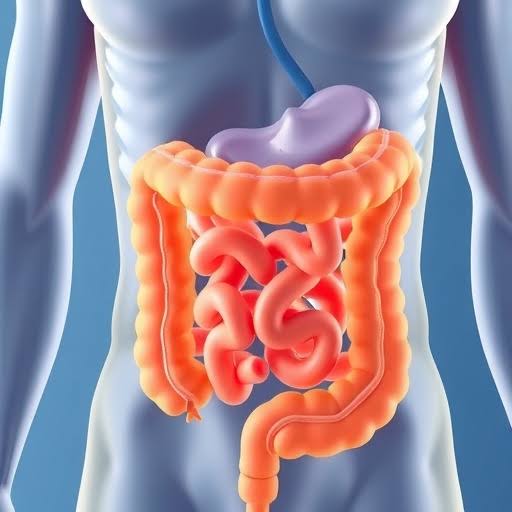
Colorectal cancer rates have risen in many countries over the past several decades, and researchers have also observed more diagnoses in adults younger than 50. As a result, several medical organizations now recommend that adults at average risk begin screening at age 45. A colonoscopy is one of the most common screening methods for colorectal cancer and for conditions like ulcerative colitis and Crohn’s disease. This procedure allows a physician to examine the lining of the large intestine for polyps, inflammation, and other abnormal tissue. Here’s information on how to prepare for your first colonoscopy:
Flushing Your System
Your physician will provide written instructions based on your health history, but preparation begins several days before the procedure. Three to five days before your colonoscopy, avoid high-fiber foods such as nuts, seeds, popcorn, raw vegetables, and whole grains. Fiber can remain in the colon and block the physician’s view. The day before the procedure, you will switch to a clear liquid diet.
Liquid diet options often include water, broth, apple juice, plain gelatin, and sports drinks, but avoid red, blue, and purple liquids. These dyes can resemble blood during the exam. Your physician will also prescribe a laxative solution that causes frequent, watery bowel movements. Many plans use a split dose where you drink half the evening before and the rest several hours before your appointment. Plan to stay near a bathroom. This prep can be inconvenient, but it is necessary for an accurate exam.
Getting the Nonsurgical Procedure
A colonoscopy is an outpatient procedure that typically takes 30 to 60 minutes and requires no incisions, but you will need someone to drive you home. Most patients receive sedation through an IV and have little memory of the exam. During your procedure, you will lie on your side while the gastroenterologist inserts a colonoscope through the rectum.
This thin, flexible tube has a light and camera at its tip. The physician guides the scope through the entire colon, and live images appear on a monitor. Air or carbon dioxide gently expands the colon for a clearer view, causing some patients to notice mild cramping or pressure.
A colonoscopy lets a physician identify and address concerns during the same visit, making it a valuable tool for diagnosis and treatment. Polyps can often be removed with small instruments passed through the scope. The physician may also take biopsies, or tissue samples, from areas that look unusual. Removing polyps during screening may eliminate the need for a separate procedure.
Discussing Your Results
After the procedure, you will rest in a recovery area while the sedation wears off. Bloating and gas are common as air leaves the colon, and most people can resume a normal diet the same day. Your physician may share initial findings before you leave. Because sedation affects memory, bring a companion who can take notes and avoid tasks like:
- Driving
- Working
- Signing Legal Documents
Biopsy results usually take several days to two weeks. Your care team will contact you or schedule a follow-up visit to review them. Results also guide your next screening date. A normal result often allows up to 10 years between screenings, but polyps or other findings may call for a shorter interval. Ask your physician to explain any terms or recommendations you do not understand.
Benefit From a Colonoscopy
While adults should discuss colorectal cancer screening around age 45, you may need an earlier screening if you have a family history of colorectal cancer or polyps. Inflammatory bowel disease and certain genetic conditions can also raise your risk. If you notice rectal bleeding, bowel habit changes, unexplained weight loss, or persistent abdominal pain, contact a gastroenterologist promptly. These symptoms have many possible causes, but a specialist can evaluate them and recommend appropriate testing.