
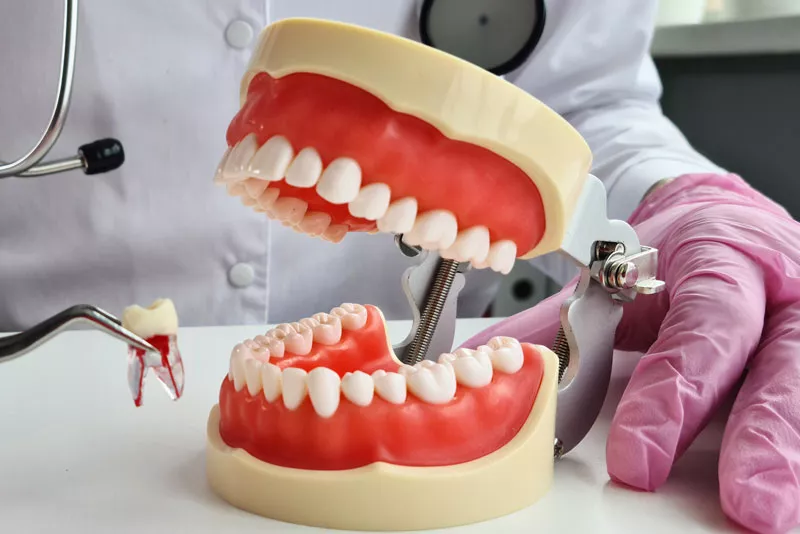
Dental implants are a long-term tooth replacement option designed to restore function and appearance. They replace missing teeth caused by injury, decay, gum disease, or tooth loss. Implants are placed in the jawbone and topped with a custom restoration, so they can provide stable support that feels more like a natural tooth. While the results are often highly successful, it is beneficial to understand what happens after treatment, including healing, maintenance, and signs that may require professional attention.
Understanding Dental Implants
Dental implants work by replacing the root of a missing tooth with a small titanium post. This post is placed into the jawbone, and it gradually bonds with the bone through a process called osseointegration. Once healing is complete, usually after three to nine months, a connector called an abutment is attached, followed by a crown that restores the visible part of the tooth.
The process of getting dental implants usually happens in stages. First, your dental provider evaluates your oral health, jawbone density, and treatment goals; imaging and exams help determine whether you are a good candidate. If needed, preparatory procedures such as tooth extraction or bone grafting may be completed before implant placement.
After the implant post is placed, the healing period can take several months. This step creates the stable foundation to help the implants function like natural teeth. Once the implant has integrated with the bone, the final restoration is secured; by following a structured treatment plan, dental professionals can improve both comfort and long-term success.
Maintaining Dental Implants
Although dental implants are unaffected by tooth decay, they still require daily care. The tissues around the implant must stay healthy to support the restoration, and this prevents complications as well. Good oral hygiene is a major part of implant maintenance.
To maintain your implants, follow these key practices:
- Practice thorough oral hygiene: Brush twice daily with a soft-bristled toothbrush and floss between teeth and implants as recommended by your dental provider.
- Attend routine dental visits: Schedule regular professional cleanings and examinations to allow your provider to monitor the implant, surrounding tissues, and bite alignment.
- Avoid harmful habits: Refrain from activities that place unnecessary stress on your implants, such as chewing ice, grinding your teeth, or using them to open packages, as this can damage the restoration.
Consistent home care and regular professional follow-ups help protect your investment and support lasting results.
Seeking Dental Care
Most implants heal and function well, but certain symptoms may signal a problem. Warning signs can include pain that does not improve, swelling that returns after healing, bleeding around the implant, gum recession, a loose-feeling implant or crown, or difficulty chewing comfortably. If you notice any of these signs, contact your dental provider as soon as possible. Do not try to ignore the problem or adjust the restoration on your own; a professional assessment can identify the cause and help determine the right next step.
Care for Your Dental Implants
Dental implants can restore missing teeth with a stable, natural-looking solution, but good outcomes depend on proper aftercare. Understanding the treatment process, maintaining consistent oral hygiene, watching for warning signs, and following food guidelines can all support long-term implant health. If you want to learn more about aftercare for implants, consult a dental professional near you.
Explore more helpful articles like this on Metromsk.Com.
- How to Use Metromsk.Com: A Reader’s Guide to Finding Answers Faster
- Metromsk.Com Editorial Standards: How Guides Are Researched, Checked and Updated
- Metromsk.Com Topic Desks: A Guide to the Eight Categories and What Each Covers
- How to Protect Your Online Accounts: Passwords, Passkeys, MFA and Phishing
- How to Build an Emergency Fund Step by Step