
Diabetes is a chronic condition that changes how your body processes glucose on a daily basis. When a person has diabetes, their body either does not produce enough insulin or cannot use the insulin it makes efficiently. Insulin acts as a primary mechanism to let blood sugar into your cells for use as energy, and a lack of it causes sugar to remain and build up in your bloodstream. Blood sugar monitoring is significant for managing diabetes because it provides precise, objective data about your current glucose levels. Checking your numbers regularly gives you direct information about how your system operates throughout the day. This consistent monitoring helps individuals understand how their daily choices affect their overall well-being. It provides a clear foundation for a structured, effective daily management plan.
Why Check Blood Sugar?
Checking your blood sugar provides an accurate picture of your current diabetes status rather than relying on how you feel. It serves as a practical, measurement-based tool for evaluating how external and internal variables influence your system. Your daily habits impact your glucose levels, and regular monitoring helps you see exactly how your body responds.
Consistent tracking offers several distinct advantages for your routine:
- Identifying patterns: You can observe how specific foods, physical activities, and daily stressors directly affect your readings over a designated period.
- Evaluating habits: Consistent testing lets you see whether your current routine keeps your numbers within the target range set by your care team.
- Guiding decisions: The data helps you make informed choices about your meal scheduling, portion sizes, and physical exertion levels.
- Informing your doctor: Sharing a detailed log provides your healthcare team with the exact information they need to review and adjust your care plan.
When Do I Check?
The timing and frequency of your tests depend on the management plan established by your healthcare provider. Your physician will assess your needs, diabetes type, and medication schedule to recommend when to check your levels. You may be directed to check your blood sugar at various times throughout the day. This may include first thing in the morning before eating or drinking, just before meals or snacks, two hours after finishing a meal, before, during, and after physical exercise, and right before bedtime. Each of these times provides different insights into how food, activity, and rest influence your numbers. It is significant to follow your doctor’s instructions closely, but you can also make personal notes about how you feel at each check-up to keep a complete record.
Maintaining a strict testing schedule keeps your data consistent, and it helps the information be useful for long-term evaluation. By staying organized with your routine, you can provide your care team with reliable information that supports your ongoing management plan. This level of consistency can make it easier to spot trends and address concerns promptly.
How Do I Check?
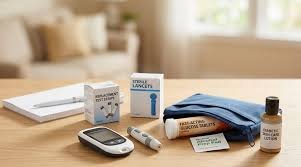
To check your blood sugar, you will need a few basic supplies: a blood glucose meter, a lancing device, and testing strips. Some people may use a continuous glucose monitor, but many rely on traditional finger-stick testing as their primary method. These tools are found at most pharmacies.
To perform a standard finger-stick test, follow these steps:
- Wash your hands thoroughly with warm, soapy water and dry them completely to prevent contamination.
- Insert a clean, unused test strip into your blood glucose meter.
- Use your lancing device to prick the side of your fingertip.
- Gently squeeze your finger until a small, round drop of blood forms at the site.
- Touch the edge of the test strip directly to the drop of blood.
- Wait for the meter to display your reading and log the result in your tracking record.
Handle your testing supplies with appropriate care and dispose of used lancets in a proper sharps container.
Ask About Diabetes Management Today
Managing a chronic condition requires ongoing attention, organization, and practical support. The detailed information you gather through regular testing serves as a valuable resource for your overall care strategy. Bring your blood sugar log to your medical appointments, and prepare a list of any specific trends or challenges you notice in your records. Ask your healthcare provider any questions about your condition or the testing process. Contact your medical provider today to discuss your testing schedule and refine your management approach.
Find more practical guides on Metromsk.Com.