Sports injuries can affect more than the current season. It sometimes changes how a joint moves, and it limits future activity. Some injuries heal fully with proper care, while others can lead to stiffness, weakness, or repeat injury. Understanding these risks helps you make better treatment choices.
Recognize Common Injuries
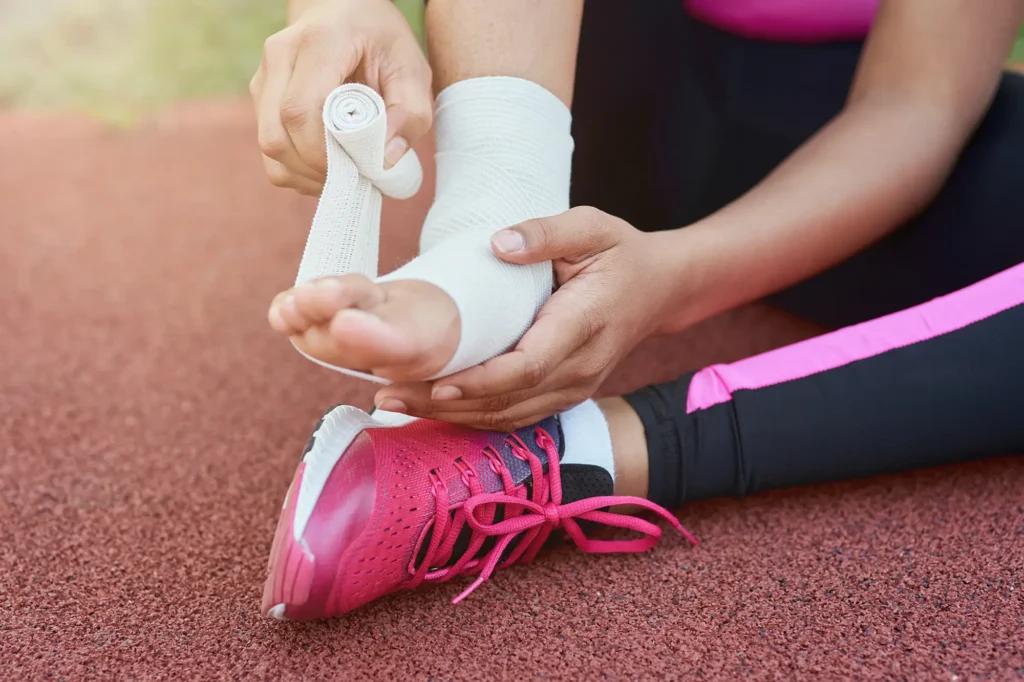
Sports injuries are common, and they often improve with early care. If they are ignored, they sometimes leave muscles or ligaments weak. That weakness changes movement patterns, and it increases stress on nearby joints. An ankle sprain may reduce balance, and it affects how you walk or land. If you return to activity too soon, the injured tissue will sometimes not recover full stability. A muscle strain also limits flexibility, and it may reduce force during running or lifting. When strength does not return evenly, nearby muscles work harder and fatigue faster. Early support matters. Follow-up exercises also help restore control and reduce repeat injury. Fractures and dislocations have longer effects because they involve bone or joint alignment. A fracture heals, but pain or reduced motion can remain. If a joint stays unstable after dislocation, daily movement becomes less efficient. Conditions treated include:
- Tendinitis: Repeated load irritates a tendon, and symptoms return during work or training.
- Bursitis: Joint movement becomes less comfortable, and the normal range of motion decreases.
- Rotator cuff tears: Shoulder stability declines, and overhead tasks become harder.
Early rest, ice, and NSAIDs help manage symptoms, but recovery often needs more than short-term relief.
Understand Long-Term Effects
The long-term impact of a sports injury often depends on joint function. When strength, balance, or range of motion declines, movement becomes less controlled. If that pattern continues during exercise or work, other areas sometimes try to compensate. A weak hip, shoulder, or ankle shifts the load to nearby muscles, so those muscles may tire sooner. Limited range of motion can also change how you move, so routine tasks require more effort.
When balance is reduced, quick movements may feel less stable, and uneven ground becomes harder to manage. These changes may seem minor at first, but they affect walking, lifting, climbing stairs, and returning to sport. If joint control does not improve, you may move less efficiently. Repeated stress builds up in the body. Careful rehab can help restore these basics. Therapy can better protect long-term function.
Choose Individual Treatments
Rest helps limit added strain, but it should be guided to prevent stiffness from building too quickly. When swelling is better managed, joint motion may return more easily. These steps do not replace a full treatment plan, but they support better conditions for recovery. Early care also helps you notice whether pain, swelling, or instability is improving as expected. If symptoms remain severe or function stays limited, further evaluation may be needed. Using these measures can support healing, and they prevent small problems from becoming larger.
Treat Sports Injuries Today
Sports injuries can affect long-term health through pain, weakness, instability, and reduced activity. The main goal is not only symptom relief, but it also supports better function over time. Pay attention to changes in strength, motion, and balance, and seek care when these problems continue. A qualified clinician or physical therapist can assess the injury while helping you build a safer recovery plan.
Discover more useful reads on Metromsk.Com.
- How to Use Metromsk.Com: A Reader’s Guide to Finding Answers Faster
- Metromsk.Com Editorial Standards: How Guides Are Researched, Checked and Updated
- Metromsk.Com Topic Desks: A Guide to the Eight Categories and What Each Covers
- How to Protect Your Online Accounts: Passwords, Passkeys, MFA and Phishing
- How to Build an Emergency Fund Step by Step