
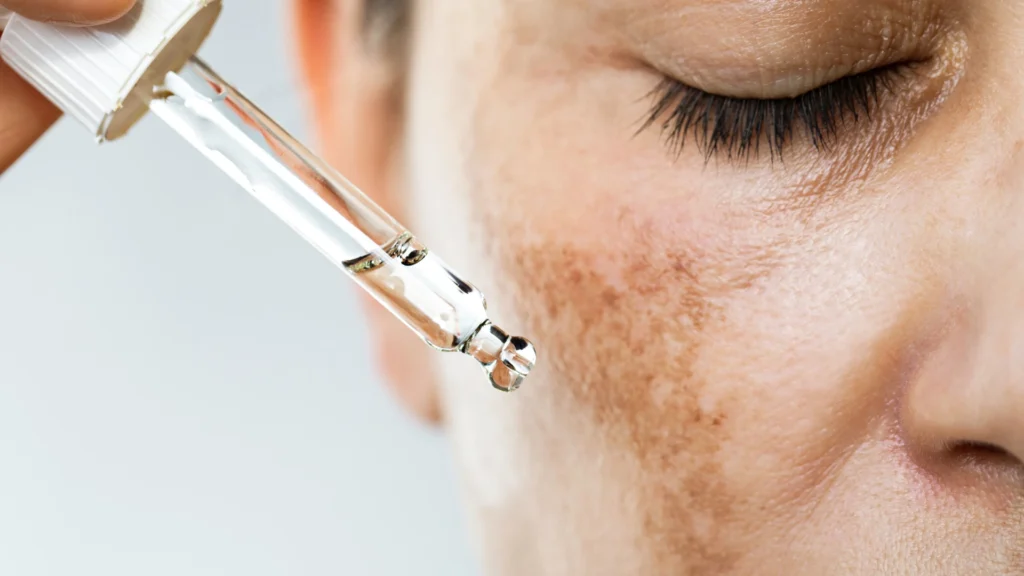
Psoriasis is a long-term skin condition that affects people across the world. It changes the way skin cells grow and shed, and it can lead to visible patches that appear on different parts of the body. Understanding the basics of this condition is the first step toward finding the right support from a skin specialist, like a dermatologist.
What Is Psoriasis?
Psoriasis is a condition linked to the immune system. Skin cells grow, mature, and shed over the course of about a month. In a person with psoriasis, this process speeds up dramatically, sometimes taking only a few days. The result is a buildup of cells on the surface of the skin, and this forms the raised patches that people may recognize.
This condition is not contagious, meaning you cannot pass it to another person through touch, shared items, or close contact. Researchers believe a combination of genetic and environmental factors plays a role in who develops it. People with a family history of psoriasis face a higher chance of experiencing it themselves. Several types of psoriasis exist, and each presents differently.
Plaque psoriasis is the most common form, marked by thick patches with a scaly surface. Other forms include guttate psoriasis; this may appear as small spots. Inverse psoriasis tends to develop in skin folds. A trained professional can identify which type a person has based on a careful examination.
What Are the Signs?
The signs of psoriasis vary from one person to another, and they may depend on the type and severity. Recognizing these signs early can help a person seek care at the right time. Common signs vary, including:
- Raised patches of skin that may appear red, pink, or darker than the surrounding area, depending on skin tone.
- Silvery or white scales.
- Dry skin that may crack or feel rough to the touch.
- Itchy or a burning sensation in the affected areas.
Psoriasis can follow a pattern of flare-ups and quieter periods. During a flare-up, signs become more noticeable, while at other times the skin may appear clearer. Certain triggers can prompt a flare-up, such as stress, cold weather, skin injuries, or particular infections. Patches commonly show up on the elbows, knees, scalp, and lower back, but they may develop almost anywhere on the body.
How Is It Managed?
A dermatologist is a doctor, and they focus on conditions affecting the skin, hair, and nails. When you visit one for psoriasis, the appointment may begin with a review of your skin and a discussion of your symptoms and medical history. The doctor can take a small skin sample to confirm the diagnosis. After the evaluation, the dermatologist works with you to build a care plan suited to your situation.
Treatment approaches generally fall into a few categories. Topical products applied directly to the skin form one common option, and they may be suggested for milder cases. For more widespread cases, a dermatologist can discuss oral or injected medications that work throughout the body. The goal of any plan is to manage symptoms and support skin comfort over time. Because each person responds differently, a dermatologist may adjust the approach during follow-up visits.
Confer With a Dermatologist
Living with psoriasis is manageable when you have professional guidance. A dermatologist can answer your questions, and they are able to explain your options. If you notice signs of psoriasis or have concerns about changes in your skin, booking an appointment is a straightforward way to gain clarity.
For more easy-to-follow guides, visit Metromsk.Com.
- How to Use Metromsk.Com: A Reader’s Guide to Finding Answers Faster
- Metromsk.Com Editorial Standards: How Guides Are Researched, Checked and Updated
- Metromsk.Com Topic Desks: A Guide to the Eight Categories and What Each Covers
- How to Protect Your Online Accounts: Passwords, Passkeys, MFA and Phishing
- How to Build an Emergency Fund Step by Step