
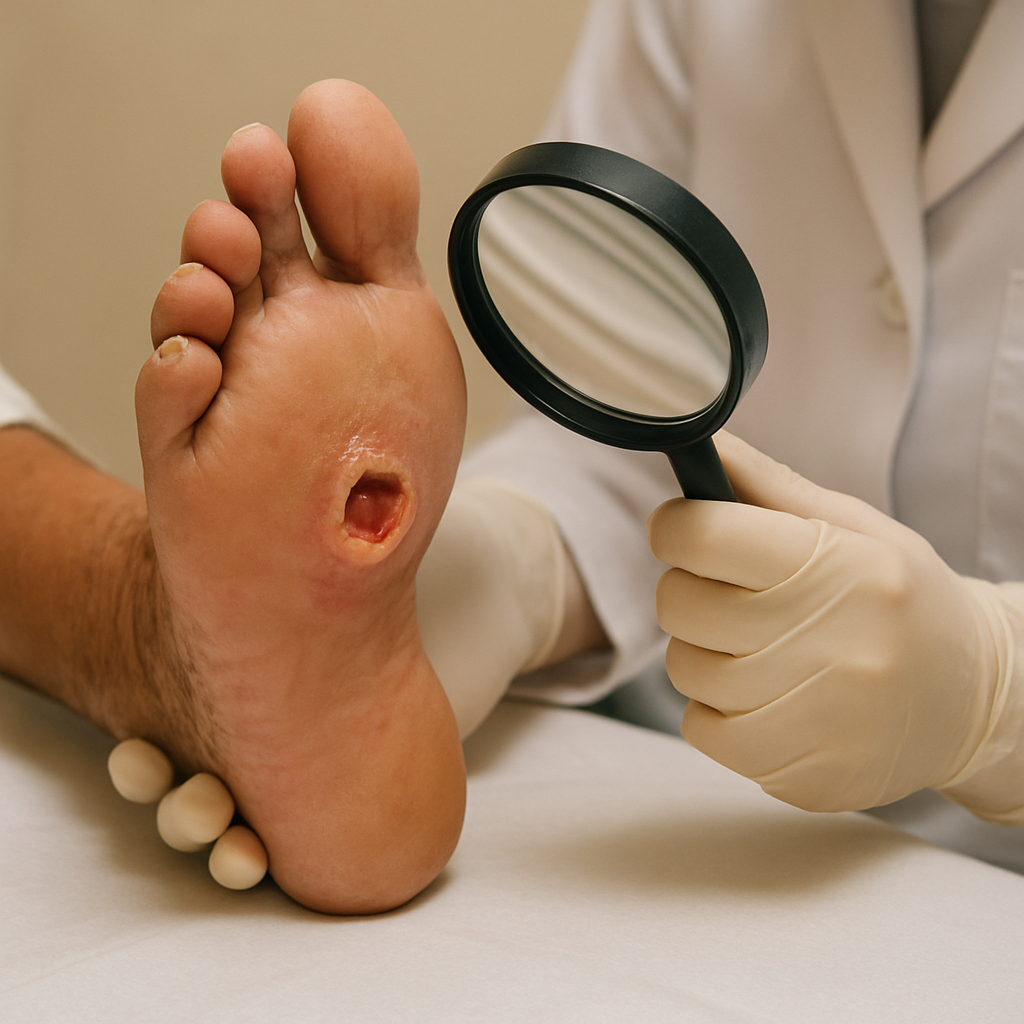
Diabetes affects how your body recovers, so small cuts and blisters on your feet may become open wounds that heal slowly. If nerve damage reduces sensation, you might not feel an injury when it first happens. A structured wound care protocol helps you catch problems early and manage them with steady, informed steps. Here are some ways effective diabetic wound care is achieved:
Diabetic Shoe Inserts
Your shoes shape how pressure spreads across your feet. Diabetic shoe inserts redistribute that pressure, and they cushion areas prone to friction. When you reduce repeated rubbing, you may lower the chance of new sores forming.
A podiatrist measures your feet and fits inserts to match your specific needs for diabetic wound care. Custom inserts differ from over-the-counter versions, though both aim to protect vulnerable spots. Regular replacement matters because worn cushioning loses its support.
Routine Nail Trimming
Trimming your nails sounds simple, yet diabetes complicates the task. Reduced sensation means a small nick may go unnoticed, and untreated nicks sometimes lead to infection. A trained professional handles this care with proper tools and techniques.
Routine trimming visits typically include a quick check of the surrounding skin. Your provider looks for ingrown edges, thickened nails, or early signs of trouble. When you schedule these visits regularly, small issues get attention before they grow.
Keep a few habits in mind between appointments:
- Wash and dry your feet daily
- Avoid cutting cuticles yourself
- Report redness or swelling to your provider
Specialized Wound Treatment
Open wounds need targeted care that goes beyond basic bandaging. A wound specialist assesses depth, drainage, and surrounding tissue, and they select dressings suited to each stage. Since healing timelines vary, your treatment plan may shift as the wound changes.
Specialized treatment involves several coordinated methods. Debridement removes dead tissue, while offloading devices are used to reduce pressure on the affected area. Your care team tracks progress at each visit and adjusts the approach when needed.
Typical elements of a wound treatment plan include:
- Cleaning and debridement
- Using moisture-balanced dressings
- Offloading with boots or padding
- Monitoring for infection
These steps work together, and your provider explains each one during your appointments. When you understand the plan, you follow it more consistently at home.
Daily Foot Checks
Daily inspection anchors any wound care routine. You examine the tops, soles, and spaces between your toes, and you look for cuts, blisters, or color changes. A mirror helps you see areas that are hard to reach.
Consistency turns these checks into a reliable habit. Since diabetes dulls sensation, your eyes often detect problems before you feel them. Note anything unusual and share it with your care team during your next visit.
Set a fixed time each day for your inspection. Morning or evening both work, though picking one moment builds routine. When you spot a wound early, treatment starts sooner.
Find Diabetic Wound Care Today
Diabetic wound care combines several protocols into one steady routine. Shoe inserts, nail trimming, specialized treatment, and daily checks each play a distinct role, and together they form a practical framework. Reach out to a podiatry or wound care clinic to schedule an evaluation. A specialist reviews your history, examines your feet, and outlines a protocol built around your situation.
Read more in-depth guides on Metromsk.Com.
- How to Use Metromsk.Com: A Reader’s Guide to Finding Answers Faster
- Metromsk.Com Editorial Standards: How Guides Are Researched, Checked and Updated
- Metromsk.Com Topic Desks: A Guide to the Eight Categories and What Each Covers
- How to Protect Your Online Accounts: Passwords, Passkeys, MFA and Phishing
- How to Build an Emergency Fund Step by Step