

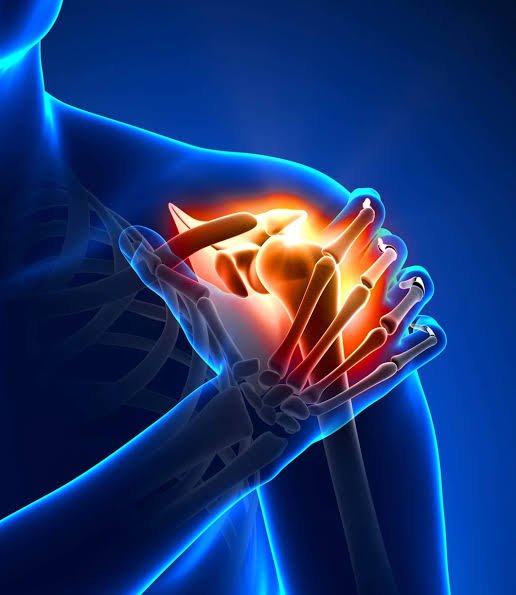
The rotator cuff is a group of muscles and tendons that surround the shoulder joint, and it holds the ball of the upper arm bone within the shallow socket. A tear in this structure produces shoulder pain, and the discomfort frequently worsens at night. Rotator cuff injuries are common, and they become more frequent with age. People who perform repeated overhead motions also face a higher risk of developing a tear that requires treatment.
Recognizing Rotator Cuff Symptoms
Shoulder pain is the primary sign of a rotator cuff injury. The pain presents as a dull ache deep in the shoulder, and it frequently disturbs sleep. Some patients also report arm weakness and difficulty reaching behind the back, while others experience little or no pain, and these symptoms help healthcare professionals evaluate the extent of tendon damage.
A sudden injury changes the pattern of symptoms. Immediate weakness after a fall or another injury warrants prompt medical evaluation, and a healthcare professional examines the shoulder to determine the severity of the tear. An early assessment helps guide the next stage of treatment.
Choosing Nonsurgical Treatment First
Physical therapy addresses many rotator cuff problems. Therapy exercises improve flexibility and strength in the muscles surrounding the shoulder joint, and many patients manage symptoms without surgery. Age-related tears develop gradually, and they frequently respond to structured rehabilitation when patients follow a guided exercise program and limit activities that place added stress on the shoulder.
Acute tears require a different approach. A sudden injury warrants prompt medical evaluation, and surgery becomes a treatment option when the tendon separates completely. The severity of the tear determines whether conservative treatment or surgical repair provides the most appropriate course of care.
Applying Shoulder Pain Surgery
Arthroscopy is a minimally invasive surgical service used to treat rotator cuff tears. The technique relies on small incisions and uses a camera to provide a detailed view of the shoulder joint. Surgeons confirm the location and size of the tear, and they reattach the tendon to the bone through the same limited openings.
This approach targets damaged tissue while limiting disruption to the surrounding structures. Advanced diagnostic technology guides the procedure, and precise imaging helps surgeons plan and complete the repair. These techniques allow many tears to be treated through smaller incisions than traditional surgery required.
Accessing Specialized Surgical Care
Fellowship-trained orthopedic surgeons manage rotator cuff injuries. They complete advanced training in their specialties, and they provide both nonsurgical and surgical treatment options. An individualized evaluation helps match treatment to the type and severity of the injury.
Diagnostic technology supports each stage of care. Providers evaluate imaging findings alongside a physical examination, and this information guides treatment recommendations. Patients receive evaluation, treatment, and follow-up care within the same practice when surgical services are appropriate.
Address Your Shoulder Pain Today
A rotator cuff tear affects shoulder function and daily movement. Symptoms range from a dull ache to arm weakness, and they frequently become more noticeable at night. Physical therapy improves many injuries, while arthroscopic repair treats complete tears and other injuries that require surgery. Schedule an appointment with a fellowship-trained orthopedic surgeon to evaluate persistent shoulder pain and discuss the treatment options that best match your condition.