

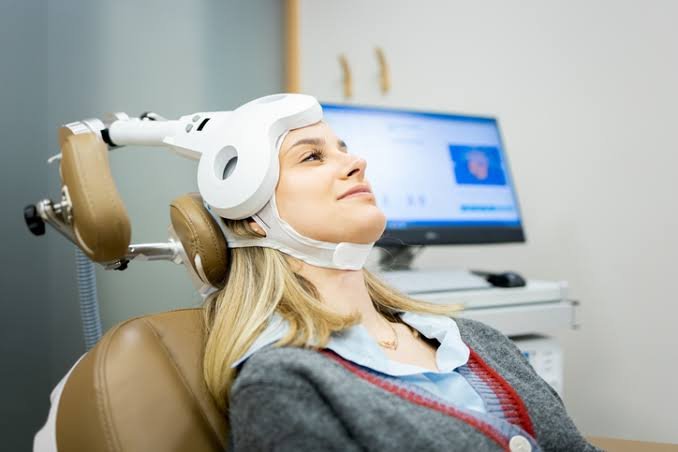
Transcranial magnetic stimulation, or TMS, is a non-invasive option for patients who have not experienced the desired results with other therapies. TMS uses magnetic pulses to stimulate your brain. This stimulation calms certain areas of the brain, or it can stimulate underactive areas. Here is more information about transcranial magnetic stimulation and how it works:
Introducing TMS Therapy
TMS is a non-invasive brain stimulation therapy that uses magnetic pulses to activate targeted areas of the brain. Because the brain relies on electrical activity to regulate mood and behavior, TMS therapy modulates this activity. Patients typically receive TMS sessions in a clinical setting, and the procedure requires no anesthesia. Here are some items to know about transcranial magnetic stimulation therapy:
- Sessions are generally short, lasting about 20 minutes
- Patients remain awake and alert throughout each session
Treating Obsessive-compulsive Disorder
Obsessive-compulsive disorder, or OCD, involves persistent, unwanted thoughts and repetitive behaviors; these can be challenging to manage. The FDA has cleared transcranial magnetic stimulation therapy as a treatment for OCD, offering a new avenue for patients who have not responded well to medication or cognitive behavioral therapy. TMS targets the supplementary motor area and other relevant brain regions to help reduce the intensity of obsessive thoughts and compulsive urges.
Understanding Depression and Anxiety
Depression and anxiety are common mental health conditions, and TMS has been studied extensively for both. The FDA has approved transcranial magnetic stimulation therapy for treatment-resistant depression and comorbid anxiety, recognizing its ability to stimulate the dorsolateral prefrontal cortex, a brain region associated with mood regulation. Patients who have not benefited from antidepressant medications may find TMS to be a viable alternative.
Anxiety often co-occurs with depression, and TMS shows promise in addressing both conditions. By modulating activity in brain regions tied to fear response and emotional regulation, transcranial magnetic stimulation therapy can help reduce anxiety symptoms alongside depressive ones. A few benefits for patients with depression and anxiety include:
- Non-systemic treatment with no medication side effects
- Outpatient therapy that does not interrupt daily routines
- Durable results that may persist well beyond the active treatment period
Quitting Smoking With TMS Therapy
Nicotine dependence is a complex neurological condition, not simply a matter of willpower. TMS targets the prefrontal cortex to reduce cravings, and it weakens the behavioral associations that reinforce smoking habits. Because addiction involves deeply ingrained neural pathways, transcranial magnetic stimulation therapy offers a neurological intervention that works alongside behavioral support strategies.
Support strategies for quitting smoking can include counseling and support groups; structured programs designed to address both the psychological and behavioral aspects of addiction are options as well. Cognitive-behavioral therapy is particularly effective in helping individuals identify triggers and develop healthier coping mechanisms. Combining these strategies with TMS can create a comprehensive approach that addresses multiple factors of a nicotine addiction.
Learn More About TMS Therapy
TMS therapy represents a meaningful advancement in the treatment of mental health conditions; it offers a non-invasive, evidence-based option for individuals with OCD, depression, anxiety, and nicotine dependence. By targeting specific brain regions with magnetic stimulation, transcranial magnetic stimulation therapy addresses the neurological foundations of these conditions rather than relying solely on medication. If you want to learn more about TMS therapy and its applications, consult a mental health professional near you.