
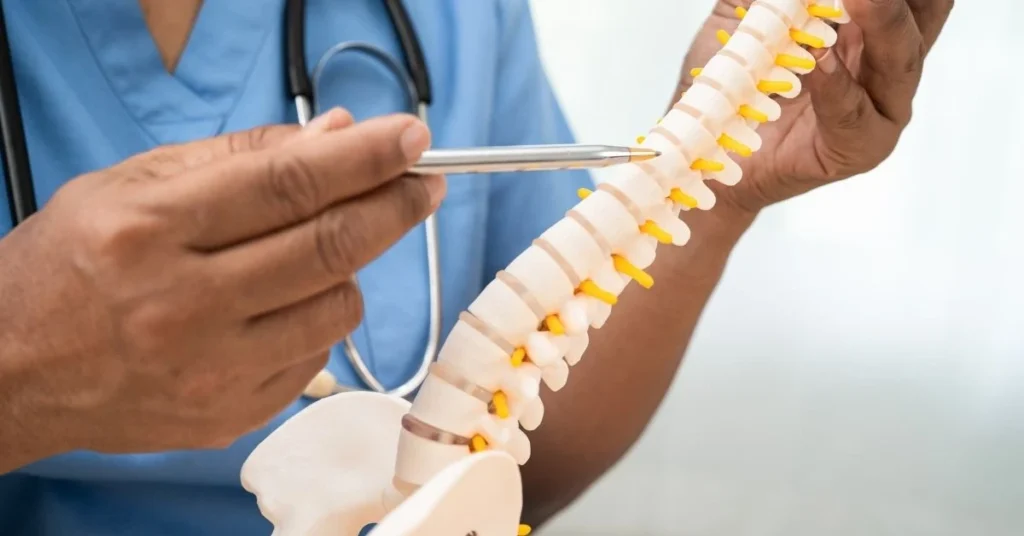
Your spine supports nearly every movement you make, and it protects the nerves that carry signals throughout your body. When a problem disrupts this structure, the effects can reach beyond your back. A spine neurosurgeon specializes in diagnosing and treating conditions that involve the spinal column and its surrounding nerves. Here are three common conditions that prompt a visit to this specialist:
1. Managing Spinal Stenosis
Spinal stenosis describes the narrowing of spaces within your spine. As these spaces tighten, they place pressure on the spinal cord and nearby nerves, which sometimes affects the way those nerves function. The condition develops gradually, and it often relates to age-related changes. A spine neurosurgeon evaluates the degree of narrowing through advanced imaging, and they map how the compression affects surrounding nerves. Because stenosis involves both structural and neurological factors, dual expertise is key. When narrowing progresses, a neurosurgeon can review the full range of options and determine whether a targeted intervention suits your situation.
2. Repairing a Herniated Disc
Herniated discs occur when the soft inner material of a spinal disc pushes through its tougher outer layer. This condition often occurs in the neck or lower back, and it may follow an injury or gradual wear. The displaced material sometimes presses against nearby nerve roots, which causes symptoms that vary from person to person.
Spine neurosurgeons train extensively in the relationship between discs and the nervous system, so they’re able to determine which disc is involved. This precision guides each subsequent decision. A neurosurgeon reviews imaging, correlates it with your physical examination, and identifies the source of nerve compression with accuracy. When a herniated disc requires surgical attention, this specialist performs procedures that relieve pressure on the affected nerve. They remove or repair the displaced material while protecting surrounding structures; their familiarity with microsurgical techniques also prepares them for complex cases. Because the disc sits so close to nerve tissue, this careful approach is key.
3. Treating Compression Fractures
A compression fracture happens when a vertebra collapses or loses height. Several factors can contribute to this type of injury, including:
- Weakened bones from reduced bone density
- Trauma from a fall or accident
- Underlying conditions that affect the vertebrae
Spine neurosurgeons assess the stability of a fractured vertebra, and they evaluate whether the injury threatens the spinal cord or nerve roots. This assessment requires a comprehensive understanding of spinal mechanics. A neurosurgeon reviews the fracture pattern, measures the loss of vertebral height, and weighs how the injury affects overall alignment. Depending on the findings, the specialist may recommend conservative treatment, which often includes pain management and physical therapy. Surgical intervention is also beneficial in some cases; this ranges from microdiscectomy to spinal fusion surgery.
Visit a Spine Neurosurgeon
Spinal stenosis, herniated discs, and compression fractures affect both the spine’s structure and the function of nearby nerves. Because these conditions vary in severity and presentation, a spine neurosurgeon performs a thorough evaluation to identify the source of symptoms. This specialized expertise supports accurate diagnosis, and it allows for individualized treatment planning. Schedule a consultation to review your imaging, discuss your diagnosis, and explore appropriate nonsurgical and surgical treatment options.
Find more practical guides on Metromsk.Com.
- How to Use Metromsk.Com: A Reader’s Guide to Finding Answers Faster
- Metromsk.Com Editorial Standards: How Guides Are Researched, Checked and Updated
- Metromsk.Com Topic Desks: A Guide to the Eight Categories and What Each Covers
- How to Protect Your Online Accounts: Passwords, Passkeys, MFA and Phishing
- How to Build an Emergency Fund Step by Step