
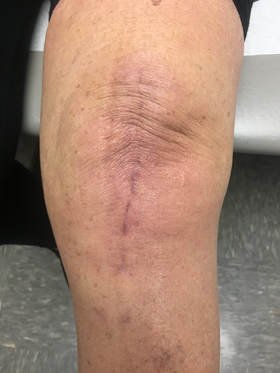
Knee replacement surgery replaces damaged joint surfaces with durable implants. If you are discussing this procedure, you likely want to understand what happens years later. Some report reduced pain, and they may resume daily activities.
Implant Durability and Longevity
Modern knee implants last many years after knee replacement. Many implants remain functional for years, and some last longer. Your activity level affects wear, and your weight adds stress to the joint, so healthy habits help results last. Regular checkups let your surgeon monitor the implant and address issues. Surgeons may also use improved fixation, since implants bond more securely to bone. Implant design has also advanced significantly. Staying at a healthy weight, avoiding high-impact activities, and attending scheduled follow-ups all support long-term implant durability, and they help you get the most from your surgery.
Results and Influencing Factors
Several factors shape your long-term results, so age, overall health, and bone quality all play a role. Your surgeon evaluates these during planning, and precise implant placement improves stability, so surgical technique matters greatly. Conditions like diabetes can slow healing. Excess weight adds strain, since it possibly shortens implant life. Hip and knee reconstruction expertise helps with complex cases, and revision options exist if an implant wears out. Pre-surgical health choices can influence how well you recover. Patients who manage chronic conditions before surgery often heal more predictably. Those who build muscle strength beforehand tend to regain function faster.
Quitting smoking before surgery reduces complication risk, and maintaining a stable weight lowers stress on the new joint, so lifestyle preparation directly affects outcomes. Mental health and motivation also play a role. Support from family or caregivers helps with consistency, and a positive but realistic outlook keeps effort steady through slower recovery periods. Finally, the experience of your surgical team matters. Surgeons who perform knee replacements regularly may achieve more consistent implant alignment, and well-aligned implants experience less uneven wear. Choosing a skilled orthopedic specialist gives you a foundation for lasting results, since they guide your recovery.
Recovery and Functional Outcomes
Function improves gradually after surgery, since afterwards you begin to heal. Most patients walk with less pain, and many return to low-impact activities. Physical therapy strengthens surrounding muscles, and regular exercise improves range of motion, so your commitment shapes your outcome. Diagnostic imaging helps track alignment over time. It guides adjustments if the function declines unexpectedly. Common functional improvements after knee replacement include:
- Reduced pain while walking, climbing stairs, and standing for extended periods
- Return to low-impact activities such as cycling or swimming
- Easier completion of daily tasks and light household activities
- Improved sleep quality without joint pain disrupting rest
Recovery follows a general timeline, though individual progress varies. Most patients walk short distances within days of surgery, and many resume light tasks within a few weeks. Full recovery may take longer. Staying consistent with therapy supports better long-term outcomes.
Discuss Knee Replacement Surgery
Long-term success depends on planning and ongoing care. A thorough evaluation clarifies whether knee replacement suits your needs, since something else may be necessary. Contact your office to schedule a consultation, and you can discuss your treatment options today.
Read more in-depth guides on Metromsk.Com.
- How to Use Metromsk.Com: A Reader’s Guide to Finding Answers Faster
- Metromsk.Com Editorial Standards: How Guides Are Researched, Checked and Updated
- Metromsk.Com Topic Desks: A Guide to the Eight Categories and What Each Covers
- How to Protect Your Online Accounts: Passwords, Passkeys, MFA and Phishing
- How to Build an Emergency Fund Step by Step