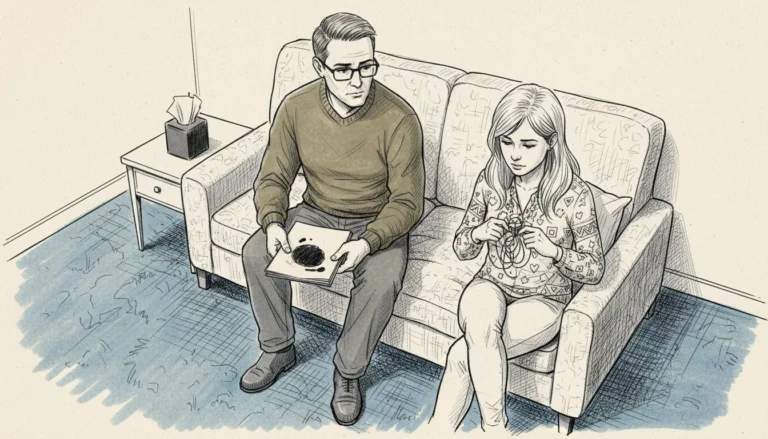

A crisis can disrupt access to in-person mental health care. Telehealth offers a practical alternative, and it connects you with professionals from home. When travel is impossible or resources shrink, remote care remains available. You can maintain support during difficult periods without added strain.
Reach Support During Emergencies
Distance no longer limits your care options. Telehealth removes travel barriers, and it delivers support through phones or computers. Appointments happen from your home, so scheduling becomes easier. Flexible access helps when transportation is unreliable. You can join a session from any quiet space, and providers accommodate your schedule. Crisis situations rarely follow a set routine, so having care available outside standard office hours makes a real difference. Evening and weekend availability means you reach support when you need it most, and you do not have to wait until conditions stabilize to get help.
Video sessions reach you promptly, and secure messaging keeps communication open. Providers can also respond faster through telehealth platforms. A message sent between sessions reaches your care team quickly, and brief check-ins prevent small concerns from becoming larger ones. You do not have to wait for your next scheduled appointment to flag a change in your symptoms, since you can reach out at any time. This responsiveness builds trust, and it keeps your care proactive rather than reactive during unpredictable periods.
Maintain Consistent Ongoing Care
Steady support helps manage long-term conditions, since you are seen regularly. Telehealth maintains regular contact, and it reduces gaps between sessions. People living with bipolar disorder receive personalized strategies for mood management, so care stays consistent even when in-person visits are not possible. Consistency in care builds stability over time. When your provider knows your history, they can spot shifts in your condition early, and early action prevents setbacks. Missing sessions during a crisis can disrupt progress, but telehealth removes that risk. You stay connected to your care team, and your treatment plan continues without interruption. This reliability matters for conditions needing close monitoring and regular adjustment. Routine check-ins strengthen progress over time.
Use Tools Every Day
You can review guidance at your own pace, so lessons stay useful long after each visit ends.
- Reminders: Prompt you to practice coping strategies between sessions
- Secure session notes: Keep key guidance accessible after every visit
- Symptom tracking: Logs mood and sleep data so your provider spots patterns early
- Community spaces: Connect you with peers for shared experiences and encouragement
These tools keep you engaged in your care every day. When a crisis disrupts your routine, structured resources keep you grounded, and you stay connected to your treatment plan even on difficult days. Key guidance remains accessible whenever you need it most, so you are never without support between sessions. Innovation shapes how modern care works. Digital tools track your symptoms, and they help providers adjust plans quickly. When you log mood or sleep data, your clinician sees patterns.
Begin Telehealth Today
Telehealth makes expert care accessible during uncertain times. It removes barriers, and it keeps support close. Whether you manage anxiety, PTSD, bipolar disorder, or insomnia, remote care fits your needs. You can maintain progress without delay. Reach out to schedule a virtual consultation. Our team delivers personalized care, and our innovative tools support you between sessions. Take the first step toward accessible mental wellness, and connect with a provider who meets you at home.
Read more in-depth guides on Metromsk.Com.
- How to Use Metromsk.Com: A Reader’s Guide to Finding Answers Faster
- Metromsk.Com Editorial Standards: How Guides Are Researched, Checked and Updated
- Metromsk.Com Topic Desks: A Guide to the Eight Categories and What Each Covers
- How to Protect Your Online Accounts: Passwords, Passkeys, MFA and Phishing
- How to Build an Emergency Fund Step by Step