

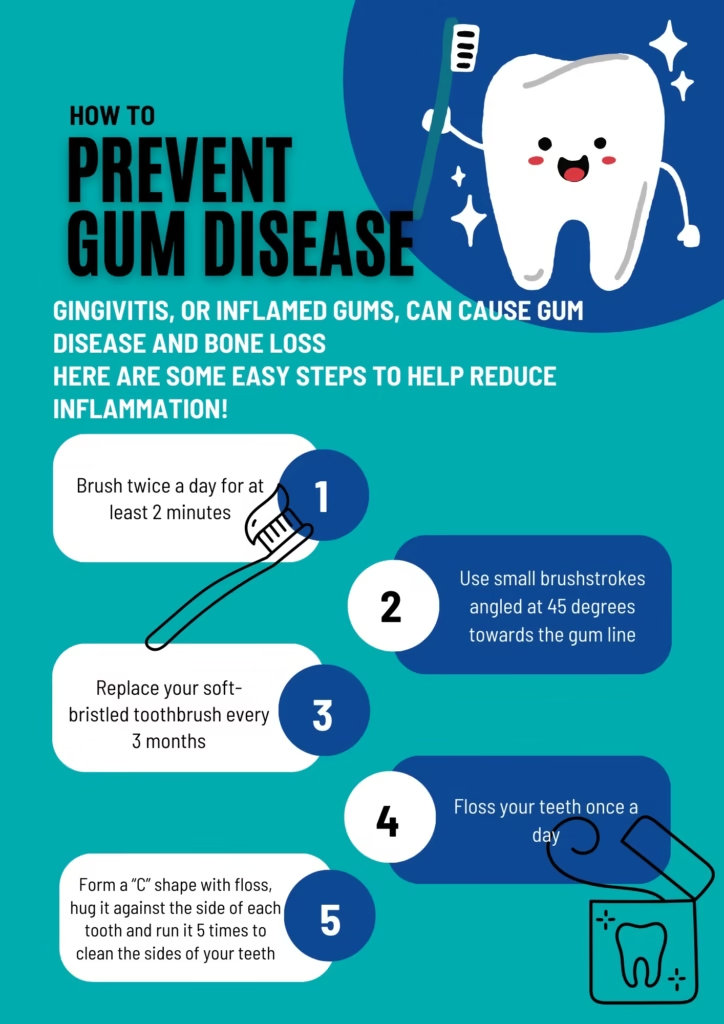
Periodontal disease is a serious gum infection that damages soft tissue and the bone that supports the teeth. The condition is common, and it often goes undetected in its early stages. The disease advances in stages, and it leads to tooth loss when left untreated. Understanding how it develops, what warning signs it produces, and which interventions address it gives patients and providers a clear framework for action.
Understanding Periodontal Disease
Periodontal disease begins with plaque, a sticky, bacteria-laden film that forms on teeth. Plaque that remains on teeth hardens into tartar, and tartar cannot be removed through brushing or flossing alone. Gingivitis is the earliest stage of the disease, and it does not involve bone loss at this point. Untreated gingivitis progresses to periodontitis, which damages the gums, bone, and surrounding structures. Pockets form between the teeth and gums, fill with bacteria, and deepen over time, causing teeth to loosen, shift, or fall out.
Recognizing Warning Signs
Several signs indicate the presence of the disease. Red, tender, or swollen gums and bleeding during brushing or flossing are early markers. Persistent bad breath, loose teeth, and pus between the teeth and gums signal advancing infection, and gums that pull away from the teeth are a further indicator. Many people have the condition without noticing these changes, so regular professional evaluation aids early detection.
Multiple factors increase susceptibility to periodontal disease. Smoking and tobacco use are among the most significant contributors, and obesity raises risk as well. Poor nutrition, particularly low levels of vitamin C, affects gum health, and genetics place some individuals at higher baseline risk. Certain medications that cause dry mouth or gum changes are also contributing factors, and systemic conditions such as diabetes, rheumatoid arthritis, and conditions that reduce immune function are associated with the disease.
Following Daily Prevention
Consistent oral hygiene is the primary means of prevention. Brushing for two minutes at least twice daily and flossing once a day removes plaque before it hardens into tartar. Brushing and flossing remove plaque. These practices reduce the bacterial load that drives gum inflammation, and they form the baseline of any prevention routine. Regular professional cleanings allow dental providers to remove tartar that home care cannot address, and they support the continuity of preventive care between visits.
Exploring Treatment Options
Treatment is matched to disease severity. Early cases respond to nonsurgical periodontal therapy, including scaling and root planing, which removes plaque and tartar below the gumline. More advanced cases require additional intervention, and a periodontist determines the appropriate course of treatment based on the patient’s specific clinical findings. Several procedures are available for advanced disease:
- Laser-assisted new attachment procedure (LANAP) and laser-assisted peri-implant procedure (LAPIP)
- Pinhole Surgical Technique and bone grafting, also referred to as guided tissue regeneration
Schedule a Periodontal Evaluation
Periodontal disease develops gradually, and early-stage disease is more responsive to intervention than advanced disease. Routine dental visits, consistent home care, and prompt attention to warning signs all support better outcomes. A periodontal evaluation provides a professional assessment of gum health and identifies the appropriate course of action based on individual clinical findings.