
Sciatica happens when something presses on the sciatic nerve, and this nerve runs from your lower back down each leg. A herniated disc or bone spur often triggers the problem. When the nerve gets pinched, you feel pain that travels along its path. Here are some major symptoms and treatment options you might discuss with a provider:
Severe Lower Back Pain
Lower back pain is a major and recognizable sciatica symptom. The pain typically starts in your spine, and it moves down through your hip and leg. When you sit for long periods, the discomfort tends to grow worse.
Simple movements feel harder than usual. You might struggle to stand, or you avoid bending altogether. Since the nerve stays irritated, sharp pain flares during routine tasks like tying your shoes. It’s helpful to monitor your symptoms and seek medical advice if the pain persists or significantly affects your daily activities.
Persistent Numbness and Tingling
Numbness and tingling frequently accompany the pain. A pinched nerve disrupts normal signals, and these signals control feeling in your leg and foot. When numbness sets in, your affected leg might feel weak.
Some people may notice a burning sensation. Others get a pins-and-needles feeling that comes and goes. Since sensation changes throughout the day, you might feel steady in the morning and unstable by evening.
Typical sensory symptoms include:
- Tingling in the calf or foot
- Weakness in one leg
- Reduced feeling along the nerve path
Physical Therapy
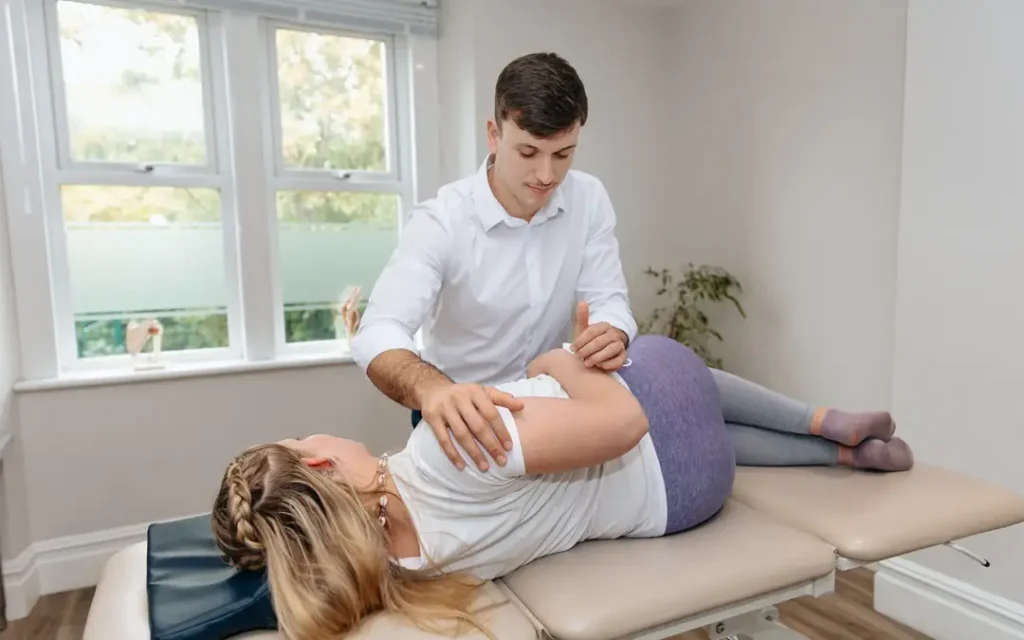
Physical therapy is a typical first step for sciatica. A medical provider designs a program for your body, and this plan targets the muscles around your spine. When you follow the routine, you build support for the affected area.
Specialists can teach stretches and strengthening moves. You learn how to move safely during daily tasks. When posture affects nerve pressure, your provider reviews how you sit and stand.
A typical program might include:
- Stretches for the lower back
- Core strengthening exercises
- Posture and body-mechanics training
Spinal Injections
Spinal injections offer another treatment path. A provider places medication near the irritated nerve, and this medication reduces inflammation. When swelling drops, pressure on the nerve may ease.
The injection may contain a corticosteroid. A doctor uses imaging to guide the needle. Since results vary from person to person, your provider tracks how you respond over time.
Providers often recommend injections after other steps. You might try physical therapy first, and injections come later. When pain limits your daily activity, a doctor may suggest this option sooner. A provider reviews your history, and they match a plan to your situation. Since early care shapes your options, tracking your symptoms gives your doctor useful information.
Get Treated for Sciatica Symptoms
Sciatica affects how you sit, walk, and rest, and when symptoms persist, a proper evaluation helps identify the cause. Treatment options range from physical therapy to spinal injections. If sciatica symptoms interfere with your daily life, schedule an appointment with a qualified provider today, and bring notes about your pain to help you describe when it started. A clear picture helps your provider decide on the next step.
Explore more helpful articles like this on Metromsk.Com.
- How to Use Metromsk.Com: A Reader’s Guide to Finding Answers Faster
- Metromsk.Com Editorial Standards: How Guides Are Researched, Checked and Updated
- Metromsk.Com Topic Desks: A Guide to the Eight Categories and What Each Covers
- How to Protect Your Online Accounts: Passwords, Passkeys, MFA and Phishing
- How to Build an Emergency Fund Step by Step