
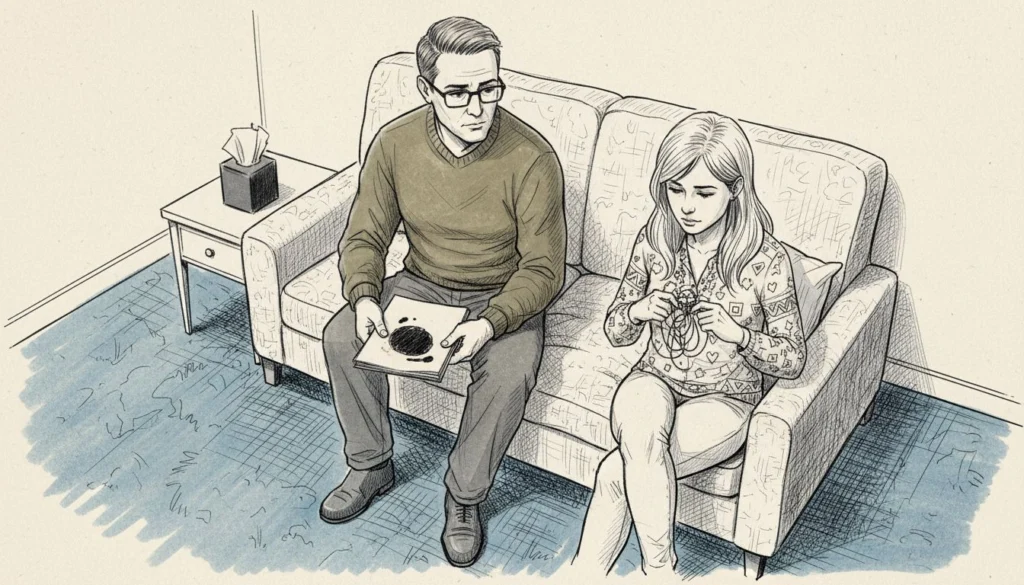
Post-traumatic stress disorder (PTSD) is a mental health condition that develops after a person experiences or witnesses a distressing event. It affects how the brain processes memory, fear, and stress, and it can influence daily life in many ways. Despite how widely the term is used, many ideas about PTSD remain inaccurate. Understanding the facts helps reduce stigma and encourages people to get timely mental health support when they need it. Here’s information on post-traumatic stress disorder and how to manage it:
Post-traumatic Stress Happens To Anyone
PTSD is not limited to soldiers or people in high-risk jobs, and it does not reflect personal weakness. It can develop after a single event or after repeated exposure to distressing situations. Common causes include serious accidents, physical or sexual assault, natural disasters, sudden loss, medical emergencies, and childhood adversity. The condition arises from the way the nervous system responds to threat. People with PTSD may face:
- Intrusive Memories
- Changes in Mood
- Sleep Disruption
- Heightened Alertness
During a traumatic event, the brain activates a survival response, and for some people, that response remains active long after the danger has passed. Age, genetics, prior experiences, and the level of support a person receives afterward all shapes whether symptoms appear. Because these factors vary from person to person, PTSD can affect individuals across every background of life.
Post-traumatic Stress Can Present Differently
There is no single way PTSD looks; two people who experience the same event may respond very differently. Symptoms range in type and intensity, and they may appear soon after an event or emerge months later. Some people notice changes in their thoughts and feelings first. These may include intrusive memories, difficulty concentrating, persistent negative beliefs, emotional numbness, or a sense of detachment from others. Nightmares and flashbacks are common, making the past feel present again.
PTSD can also show up in someone’s body and in their behavior. A person may feel constantly on guard, startle easily, or avoid places and people connected to the event. Sleep problems, irritability, and fatigue are frequent, and some individuals withdraw from activities they once enjoyed. Recognizing this range of signs is helpful because it explains why PTSD is sometimes missed or misunderstood.
Post-traumatic Stress Is Manageable
PTSD is a condition that people can address with structured support. A mental health specialist may design a plan that combines several approaches based on individual needs and goals. One management option is MeRT, a neuromodulation approach used for PTSD that focuses on brain activity patterns. A care plan may also include coordination of trauma-informed psychotherapy, and referrals are available to connect you with appropriate providers for medication management. These components are often used together rather than in isolation, and a specialist can help determine which combination suits your situation
Diagnose Your PTSD Symptoms
If you recognize signs of PTSD in yourself, schedule a consultation with a mental health specialist for personal advice. A qualified provider can review your history, discuss your symptoms, and clarify whether PTSD or another condition explains what you are experiencing. An accurate diagnosis also guides the direction of any treatment plan, since different symptom patterns call for different approaches. Common misconceptions can delay effective treatment, but understanding the facts makes it easier to support your mental health needs.
For more easy-to-follow guides, visit Metromsk.Com.
- How to Use Metromsk.Com: A Reader’s Guide to Finding Answers Faster
- Metromsk.Com Editorial Standards: How Guides Are Researched, Checked and Updated
- Metromsk.Com Topic Desks: A Guide to the Eight Categories and What Each Covers
- How to Protect Your Online Accounts: Passwords, Passkeys, MFA and Phishing
- How to Build an Emergency Fund Step by Step