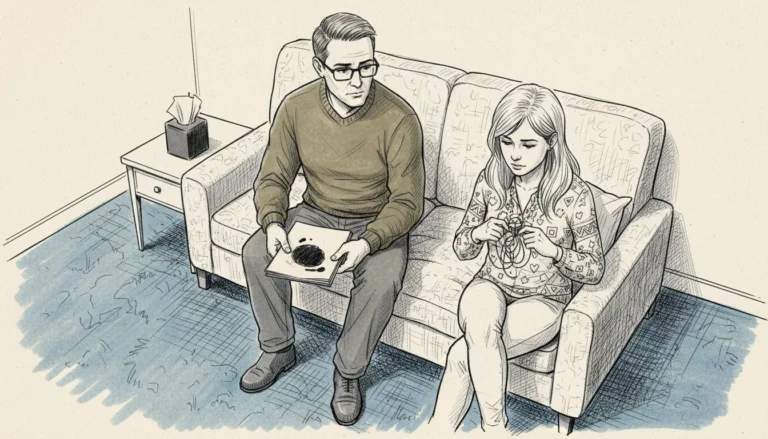

Anxiety manifests in various forms, including generalized anxiety disorder (GAD), social anxiety disorder, panic disorder, and specific phobias; each presents its own set of challenges. When people hesitate to seek professional help, their symptoms can worsen over time. Understanding what this condition is, recognizing its symptoms, and knowing how a professional can help facilitates effective management and relief.
What Is Anxiety?
Anxiety is a mental health condition characterized by persistent feelings of worry, fear, or unease. Occasional anxiety is a normal response to stress, but chronic anxiety can interfere with daily life. When the condition is left untreated, it can affect relationships, work performance, and overall well-being.
What Are Anxiety Symptoms?
Symptoms vary from person to person, though some patterns appear across diagnoses. Common physical symptoms include a racing heart, sweating, trembling, and shortness of breath. Cognitive symptoms, such as excessive worry and difficulty concentrating, are also prevalent, and individuals may develop a tendency to anticipate negative outcomes even in low-risk situations.
Behavioral symptoms also occur, and avoidance is one of the most common. Individuals with anxiety may steer clear of situations that trigger distress, which limits daily functioning over time. Difficulty relaxing may persist even without an identifiable stressor. Recognizing these symptoms early is beneficial, as timely identification supports access to appropriate care.
How Can a Professional Help?
Mental health professionals offer several evidence-based treatments for anxiety, and the appropriate treatment depends on the severity of symptoms, the type of disorder, and the individual’s personal history. A professional will first conduct an assessment. This evaluation determines the most suitable course of action before a treatment plan is recommended.
Cognitive-behavioral therapy (CBT) helps patients identify unhelpful thought patterns that fuel anxious feelings. It challenges those patterns through structured therapeutic techniques, which can lead to more balanced thinking. Exposure therapy is a specific form of CBT, and it is commonly used to treat phobias and related anxiety disorders. The patient is gradually exposed to feared situations in a controlled environment. Because exposure happens repeatedly and safely, the fear response weakens.
Anti-anxiety medications may be prescribed alongside therapy for moderate to severe cases. A psychiatrist determines the most appropriate medication, and they base this decision on the patient’s specific clinical presentation. Lifestyle changes complement clinical treatment. Regular physical activity, reduced caffeine intake, and structured sleep routines help reduce symptoms. When combined with professional intervention, lifestyle changes support improved overall mental health.
What Are the Benefits?
Seeking professional help may improve multiple areas of life. The benefits of professional treatment may include:
- Reduced levels of worry and improved sleep quality
- Stronger interpersonal relationships and greater social functioning
- A lower risk of anxiety escalating into more severe mental health conditions
- The development of long-term coping skills
These skills equip individuals to approach anxiety-provoking situations with greater confidence, making the effects of professional treatment both lasting and transferable.
Seek Help Today
Anxiety is a manageable condition with the right professional support; treatments such as CBT, exposure therapy, medications, and lifestyle changes can reduce symptoms and improve daily functioning. If you experience this condition, consult a mental health professional. Early intervention may lead to better outcomes.