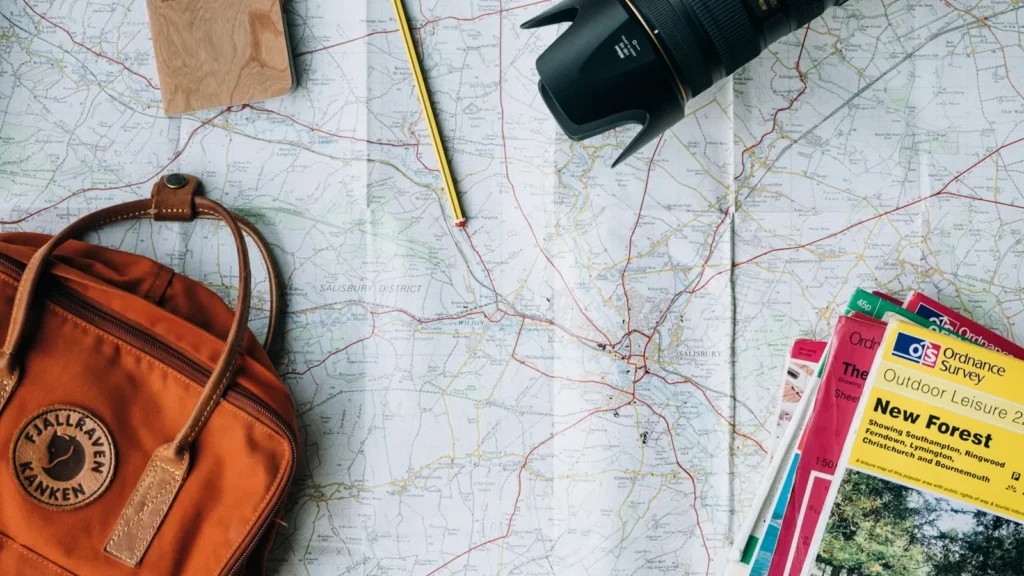
To plan a budget trip, set a firm total spending limit first, then choose a destination and travel dates that fit it, book transportation and lodging early with flexible dates, and track daily costs while you travel. The biggest savings usually come from timing and where you sleep, not from skipping experiences. Here is the step-by-step approach the Metromsk.Com travel desk uses to stretch every dollar.
Key Takeaways
- Decide on a total trip budget before you pick a destination, and break it into daily amounts.
- Flexible dates and shoulder-season travel often lower both airfare and lodging costs.
- Lodging and transportation are usually the largest expenses, so compare them carefully.
- Watch for travel scams and avoid paying by wire transfer, gift card or payment app.
Set Your Budget Before Your Destination
Most people choose a place and then try to make the money work. Reverse it. Look at what you can comfortably spend without touching your emergency savings, then find destinations that fit that number.
If you do not yet have a cushion for surprises, our guide on how to build an emergency fund is a smart read before booking. You can find more saving strategies in our finance section.
Break the Budget Into Categories
Divide your total into clear buckets so you can see where money goes. The table below shows typical categories and practical ways to lower each one.
| Category | What it covers | Budget-friendly options |
|---|---|---|
| Transportation | Flights, trains, buses, gas, rental cars | Flexible dates, nearby airports, driving with friends |
| Lodging | Hotels, rentals, hostels, campsites | Midweek stays, kitchens for self-catering, staying slightly outside the center |
| Food | Restaurants, groceries, snacks | Big lunch instead of big dinner, local markets, picnic meals |
| Activities | Tours, tickets, museums, parks | Free museum days, walking tours, public parks and beaches |
| Local transit | Subways, buses, rideshares, bikes | Multi-day transit passes, walking, bike share |
| Buffer | Fees, tips, surprises | A set daily amount you only touch when needed |
Pick the Right Destination and Dates
Destinations where your money goes further make a big difference. A smaller city near a famous one often has lower hotel prices and fewer crowds, while still giving you a strong sense of place.
Timing matters just as much. Traveling in the shoulder season, the weeks just before or after peak season, often means lower prices and pleasant weather. Flying midweek and avoiding holiday weekends can also bring costs down.
Use Flexible Search Tools Wisely
Many airfare and hotel search sites let you view prices across a whole month. Set price alerts for a few routes, and be ready to book when fares drop to a level that fits your plan.
Book Transportation and Lodging Smartly
These two categories usually take the largest share of any budget, so they deserve the most attention.
- Compare the total price: a cheap fare that charges for every bag and seat can end up costing more than a fare that includes them.
- Pack carry-on only: avoiding checked bags saves money and time at the airport.
- Consider ground travel: for shorter distances, trains, buses or driving can beat flying on cost.
- Look for kitchens: a rental or hotel room with a small kitchen lets you prepare some meals.
- Read the cancellation policy: flexible bookings can protect you if plans change.
If you go carry-on only, know the screening rules before you pack. The TSA explains that travelers may bring liquids in travel-sized containers of 3.4 ounces (100 milliliters) or less in a single quart-sized bag, while larger containers belong in checked luggage.
Planning to drive instead? Our road trip planning tips cover routes, car prep and keeping fuel costs in check.
Spend Less on Food and Activities
Food costs add up fast when every meal is at a sit-down restaurant. Try eating your main meal at lunch, when many restaurants offer lower-priced menus, and pick up breakfast and snacks from a grocery store or market.
For activities, look for free walking tours, public parks, beaches, festivals and museums with free or reduced-price days. Many cities offer attraction passes, but only buy one if you will actually visit enough places to make it worthwhile.
Pack to Avoid Buying on the Road
Forgotten items are a hidden budget drain. Bring a refillable water bottle, a basic first aid kit, chargers and a light rain layer. A small capsule wardrobe also helps; our guide to building a stylish wardrobe on a budget has ideas for versatile pieces that pack well.
Avoid Travel Scams and Hidden Fees
A deal that looks too good to be true often is. The Federal Trade Commission warns travelers about fake “free” vacations, vacation rental fraud and demands for wire transfers, gift cards or cryptocurrency. It recommends researching companies and understanding cancellation and refund terms before you pay.
Book through official websites when you can, and pay with a method that offers dispute protection. Check whether your bank charges foreign transaction or ATM fees before you travel, too.
Track Spending While You Travel
At Metromsk.Com we consider this the single most useful budget travel habit. Write down what you spend each day, either in a notes app or a simple spreadsheet. Comparing your actual spending with your daily target helps you adjust before small overspends become a big one.
If you are over budget one day, plan a lower-cost day next: a picnic lunch, a long walk, a free museum. Small adjustments keep the whole trip on track without feeling like sacrifice.
Budget Travel Does Not Mean Boring
Saving on everyday costs frees up money for one or two experiences you will remember. Some travelers keep costs low most of the trip so they can splurge on a single special outing, like the island adventures described in our story on a USVI yacht charter.
Heading abroad? Pair this guide with our international travel checklist, and browse the full travel section for destination ideas.
Frequently Asked Questions
How far in advance should I book a budget trip?
For flights, booking a few weeks to a few months ahead is a common sweet spot, though prices change constantly. Holiday and peak-season trips usually need earlier planning. Set price alerts, stay flexible on dates, and book once a fare fits your budget rather than waiting for a perfect deal that may never appear.
What is the cheapest part of a trip to cut?
Lodging and transportation usually offer the biggest savings, because they are the largest costs. Staying slightly outside a city center, traveling midweek and choosing places with kitchens can lower expenses significantly. Cutting food or activities too aggressively saves less and can make the trip less enjoyable, so focus on the big categories first.
Is travel insurance worth it on a budget trip?
It depends on how much you would lose if plans fell apart. If your bookings are non-refundable or you are traveling abroad where your health coverage may not apply, insurance can protect a large investment. Read what is covered, compare plans, and check whether your credit card already includes some protection.
How do I set a daily travel budget?
Subtract your prebooked costs, like flights and lodging, from your total budget. Divide what remains by the number of travel days to get a daily amount for food, transit and activities. Keep a small buffer for surprises, and track spending each evening so you can adjust the next day.
Find more travel and money guides from the Metromsk.Com newsroom.