
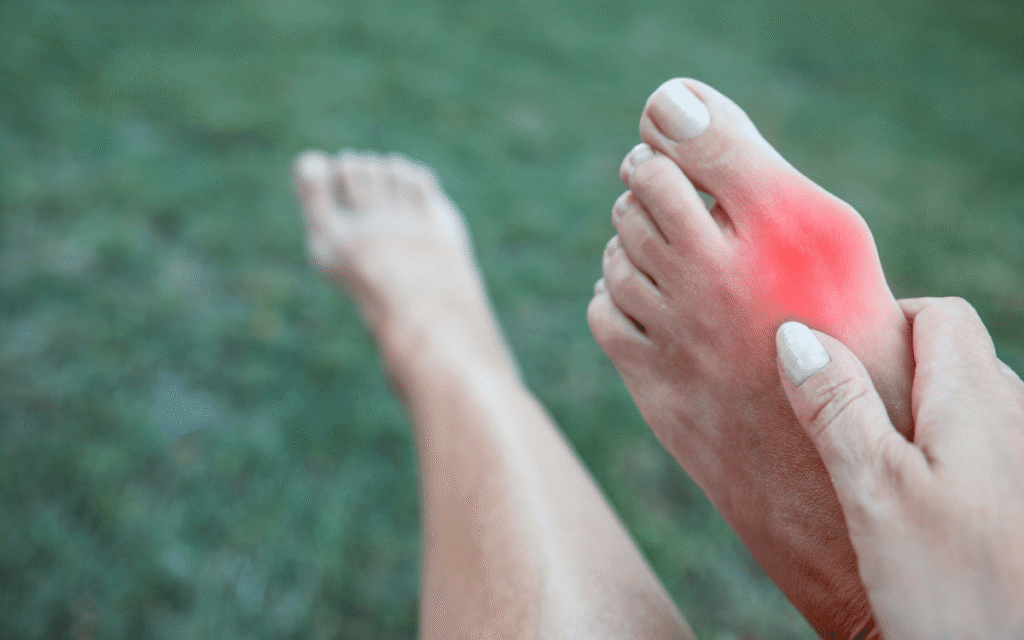
A bunion is a structural deformity characterized by a bony bump that develops on the joint at the base of the big toe. Bunions form when the bones in the front part of your foot move out of place, and this structural change creates a noticeable bump on the joint of your big toe. While conservative treatments like custom orthotics or modified footwear exist, many individuals rely on these methods to manage their symptoms. When the condition restricts daily activities, some individuals explore surgical options for removal. Surgical removal is designed to correct the deformity and typically involves specific medical procedures. Depending on severity, specialists may perform osteotomy, exostectomy, or arthrodesis to realign bone, remove the bump, or fuse the joint.
Comprehensive Understanding of Bunions
Bunions often develop slowly over a long period. They occur when sustained pressure forces your big toe to bend inward toward the second toe. This unnatural pressure alters the normal anatomy of your foot, and it pushes the joint outward. Genetics, previous foot injuries, and wearing narrow, tight-fitting shoes can all contribute to this development.
If you have a bunion, you can experience redness, swelling, or soreness around the affected joint. Calluses or corns may develop where the first and second toes overlap. Wearing standard shoes frequently becomes uncomfortable as the bony bump rubs against the rigid material of the shoe. Recognizing these physical changes is the first step toward exploring your management options with a qualified professional.
Surgical Options for Bunion Removal
When conservative methods do not provide adequate relief, medical professionals may suggest surgical intervention. Your doctor will evaluate your condition, and they will recommend the most appropriate surgical approach for your specific foot structure. Consulting an orthopaedic surgeon Singapore patients trust can help determine the safest bunion removal approach for lasting mobility. Several procedures exist to address the bone alignment and surrounding soft tissues.
- Osteotomy: The surgeon cuts the bone to realign the joint into a more anatomically correct position. This procedure often involves using medical-grade pins, screws, or plates to hold the newly aligned bone in place while it heals.
- Exostectomy: The surgeon shaves off or removes the bony bump from the toe joint. This procedure is rarely performed alone because it does not correct the underlying alignment issue that caused the bunion.
- Arthrodesis: The surgeon removes the damaged joint surfaces entirely. They then insert screws, wires, or plates to hold the surfaces together until they heal and fuse into one solid bone. This is generally reserved for severe bunions or individuals with severe arthritis.
Post-Operative Recovery and Aftercare
Proper post-operative care is significant for a successful outcome. Immediately after surgery, your foot will be bandaged, and you will likely need to wear a special surgical shoe or cast to protect the area. Stitches are typically removed after a few weeks, though the bones take much longer to fully stabilize.
Recovery requires significant time off your feet, but strictly following your doctor’s instructions helps encourage proper bone healing. Your physician will advise you on when you can safely bear weight on the foot and return to normal activities. Physical therapy or specific stretching exercises might be integrated into your aftercare plan to restore strength, flexibility, and mobility to the toe.
Ask About Bunions Today
Navigating foot health requires accurate information and professional guidance. If a bunion interferes with your daily routine, causes discomfort, or limits your footwear choices, speak with a healthcare provider. A podiatrist or orthopedic foot specialist can comprehensively assess your foot and discuss the potential risks and benefits of surgical intervention. Reach out to a medical professional to schedule a detailed evaluation. They will review your medical history, and they can help you understand which removal options align with your specific anatomical situation.
Discover more useful reads on Metromsk.Com.
- How to Use Metromsk.Com: A Reader’s Guide to Finding Answers Faster
- Metromsk.Com Editorial Standards: How Guides Are Researched, Checked and Updated
- Metromsk.Com Topic Desks: A Guide to the Eight Categories and What Each Covers
- How to Protect Your Online Accounts: Passwords, Passkeys, MFA and Phishing
- How to Build an Emergency Fund Step by Step