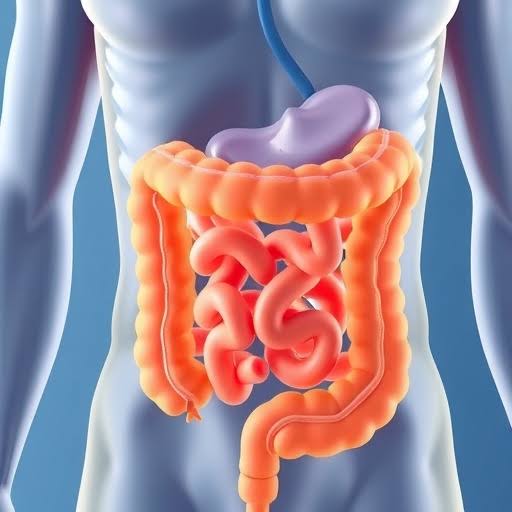
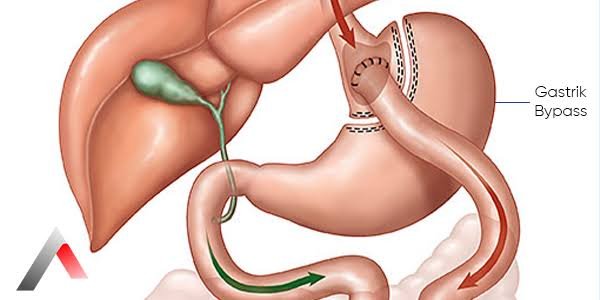
Bariatric surgery refers to procedures that change the digestive system to support weight loss. These surgeries often work by reducing stomach size, which can limit how much food a person eats at one time. People undergo bariatric surgery as part of a broader medical weight-loss plan guided by a care team. Here are some frequently asked questions about gastric sleeve surgery, focusing on how to prepare and what to expect:
How Do You Prepare?
Before any bariatric surgery, your care team creates a treatment plan tailored to your body and overall health needs. Preparation usually starts with an initial consultation appointment, where your surgeon reviews your medical history and discusses your goals. You may also need nutritional and health screenings before you undergo surgery. Screenings may include blood work, dietary evaluations, and overall health assessments.
These screenings help your care team confirm that surgery is appropriate and identify anything that should be addressed first. When surgery is appropriate, your bariatric surgeon discusses treatment expectations and risks to help you know what to expect. This conversation covers what the procedure involves, what the recovery timeline may look like, and how your daily habits may change afterward.
What Is Gastric Sleeve Surgery?
Gastric sleeve surgery, also called a sleeve gastrectomy, is one of the most commonly performed bariatric procedures. Because it changes stomach size and how the body responds to food, surgery is part of a structured medical weight-loss plan, and patients need regular follow-up afterward. During a gastric sleeve procedure, a surgeon removes a large portion of the stomach and shapes the remaining section into a narrow, sleeve-like tube. The smaller stomach holds less food, making people feel full sooner after eating. This physical change supports the eating and lifestyle adjustments that your care team recommends as part of your ongoing plan.
What Is Recovery Like?
Recovering from this bariatric surgery happens in stages, and your care team guides you through each one. Their goal is to protect your healing stomach while helping your body adjust to new eating patterns. In the first phase of recovery, you start with sugar-free liquids to keep you hydrated without straining your digestive system. After a set period, your care team moves you toward soft foods such as blended or pureed options. This gradual progression gives your stomach time to heal before you return to more solid meals.
After gastric sleeve surgery, your stomach can hold only small amounts of food, so portion sizes matter more than before. Your care team helps you learn how much to eat at each meal and how to space your meals throughout the day. Regular check-ins let you adjust your care plan as you recover.
Because you eat smaller portions during recovery, getting enough nutrients from food alone can be challenging. Your care team will recommend daily multivitamins along with specific supplements to support your nutrition. Following these recommendations closely is key to supporting recovery and effective, long-term weight loss. During the first few months of your recovery, this surgery causes rapid weight loss, so working with your team is imperative to supporting your overall health.
Learn More About Bariatric Surgery
Bariatric surgery is a significant decision, and understanding the process can help you prepare for each step. From preparation and screenings to the gastric sleeve procedure and staged recovery, a care team focused on your individual situation guides every phase. Knowing what to expect can make the experience more manageable to plan for, helping you follow your plan more effectively. If you want more detailed information about your options, schedule a consultation today. A consultation lets you ask questions, review your health history, and learn whether a procedure fits your goals.