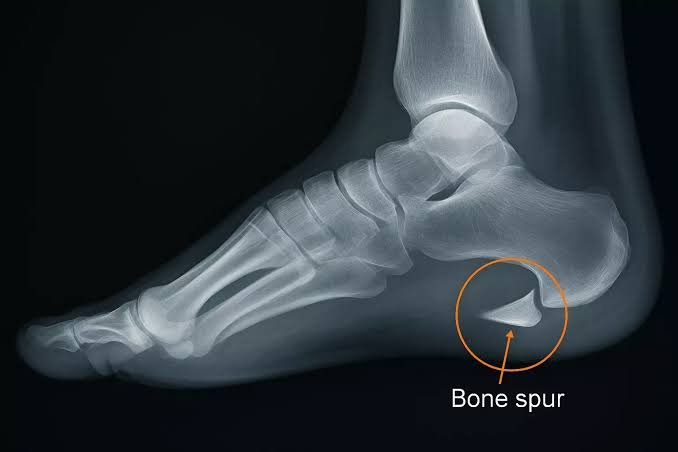
Heel spurs are small calcium deposits that form on the underside of your heel bone; they build up over time, and many people never experience any symptoms. Others notice sharp pain with each step, especially first thing in the morning. Knowing how these bony growths develop helps you spot the habits behind your discomfort. Here are some of the causes of this condition:
Excessive Pressure
Repeated force on your heel contributes to heel spurs. When you land hard on your feet day after day, the strain adds up. Your body responds by laying down extra bone, and that buildup becomes a spur over time.
Several everyday activities raise the pressure on your heels:
- Running or jumping on hard surfaces
- Standing for long shifts at work
- Carrying extra body weight
Since these habits repeat, the physical stress rarely gets a chance to ease. You might not notice the damage at first, but it accumulates quietly. Small adjustments to your routine lower the load your heels absorb.
Structural Abnormalities
The natural shape of your foot plays a large role here. Flat feet and high arches both change how weight spreads across your heel. Some people inherit these traits, so the risk starts early in life.
Your arch controls how force travels through each step. When it sits too low or too high, one spot takes more strain than it should. That uneven pressure fuels bone growth, and a spur may follow. A quick foot exam reveals these structural clues.
Abnormal Gait
The way you walk affects where stress lands on your feet. A slight limp or an uneven stride shifts force onto your heel. Over months, that shift encourages a spur to form in the overworked area.
Old injuries change your gait without you realizing it. You favor one side, and your other foot absorbs the difference. This adjustment may feel normal to you, yet it quietly overloads certain tissues. Correcting your movement pattern may ease that hidden strain.
Footwear matters here too. Worn-out shoes tilt your feet in odd directions, and that alters each step. Supportive shoes keep your stride balanced, which spreads pressure more evenly. Replacing tired footwear is a simple fix you control today.
Soft Tissue Pressure
Tight tissues pull on your heel bone with surprising force. The plantar fascia, a thick band along your sole, connects directly to your heel. When it stays tense, it tugs at the bone, and that tension sparks new growth.
Certain factors keep these tissues under constant strain:
- Advanced age, which reduces natural padding
- Tight calf muscles and Achilles tendons
- Sudden increases in activity
Since the pull never fully releases, your heel bone reacts. Stretching your calves loosens the chain of tension along your leg. Gentle daily stretches reduce the drag on that sensitive area.
Get Treated for Heel Spurs
Heel spurs form from multiple factors, and each cause overloads your heel in its own way. Many triggers respond to practical changes you make at home; better shoes, steady stretching, and lighter activity all lower your daily strain. Stop by your nearest location today for a heel evaluation, and a provider will review your symptoms and outline your next steps. Take the first step and aim for steadier, more comfortable footing.