
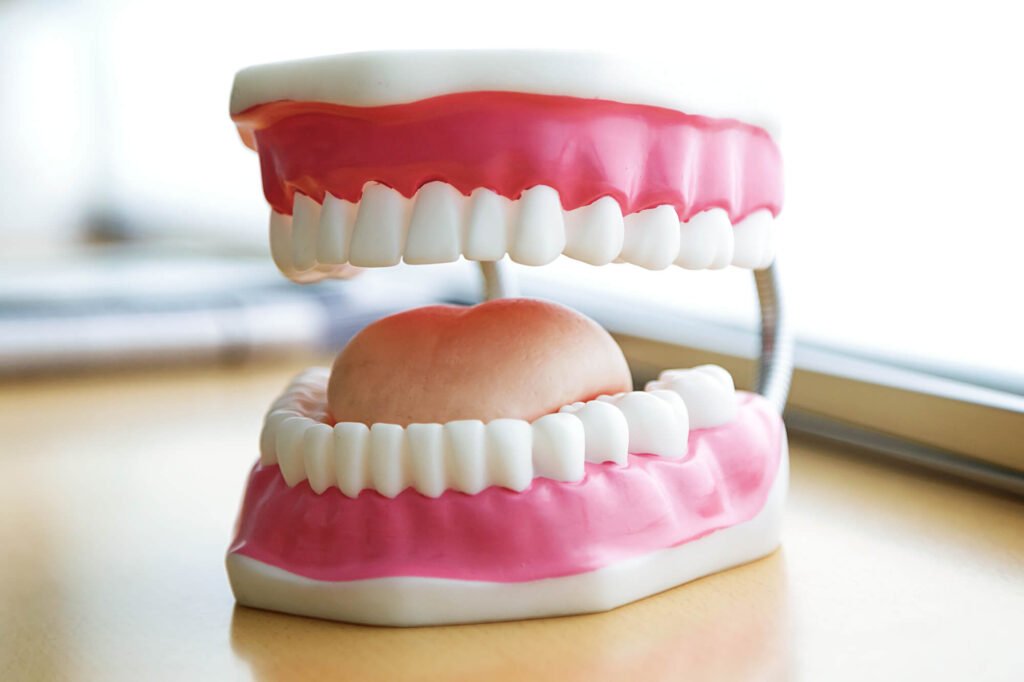
Dentures are removable or fixed dental prosthetics that replace missing teeth and, in some cases, surrounding tissue. They support basic functions such as chewing and speaking while also restoring the look of a complete smile. Choosing the right type matters because denture styles differ in fit, materials, support, and maintenance. Here’s information about the different denture options available:
What Are the Options?
Dentures are available in several main types, and each serves a different need. Full dentures replace all teeth in the upper arch, lower arch, or both. Partial dentures replace several missing teeth when some natural teeth remain. They often attach with clasps or precision components, so they help keep nearby teeth from shifting.
Immediate dentures are placed soon after teeth are removed, so you do not go without teeth during the early healing period. Conventional dentures are made after the gums have healed, which can allow for a more precise fit. Implant-supported dentures connect to dental implants for added retention and may be removable or fixed, depending on the treatment plan.
Materials also vary. Acrylic dentures are common and cost-effective, while metal-based partial dentures can offer a thinner framework and a firmer feel. Flexible partials are another option in some cases, but they are not ideal for every bite pattern or replacement need. The appropriate option for you depends on how many teeth are missing, how much support is available, and what level of stability you want.
Who Can They Benefit?
Dentures benefit adults who are missing some or all of their teeth in one or both arches. A partial option may suit someone who still has several healthy natural teeth who needs a removable replacement for gaps. For individuals missing all upper or lower teeth, full dentures are often recommended for effective support. These restorations can also help people who want a non-surgical tooth-replacement option.
Some patients prefer removable dentures because they are generally easier to clean and adjust, while others prefer implant-supported options because they feel more secure. If you want more control and stability from your restorations, a provider may recommend implant-supported designs. During a consultation, a dentist will examine your oral anatomy, existing teeth, bite alignment, dexterity, and long-term maintenance preferences before determining an appropriate dental restoration.
How Do Dentists Determine Type?
Dentists usually start with an exam, a review of your dental history, and diagnostic images. They assess how many teeth are missing, the condition of your gums, the shape of your jaw, and the support you have from remaining teeth or implants. Dentists assess bite alignment because pressure needs to be distributed in a controlled way.
If appearance is your top concern, your dentist will focus on details like:
- Tooth Shape
- Tooth Shade
- Gum-colored Base Materials
If stability is your main concern, the conversation will focus more on implant-supported designs or metal-based partials. You can ask about any part of the procedure and how different options may benefit your needs. Some dentures require relines or fit changes over time, which is key to understand before your treatment begins.
Visit a Dentures Specialist
A denture specialist can explain the trade-offs between full, partial, immediate, conventional, and implant-supported options. When you understand how each option works, it may be easier to choose a solution that fits your needs. If you are comparing restoration types, schedule a professional consultation and bring specific questions. Ask what option fits your current oral condition, what maintenance it will require, and what adjustments may be needed over time.
For more easy-to-follow guides, visit Metromsk.Com.
- How to Use Metromsk.Com: A Reader’s Guide to Finding Answers Faster
- Metromsk.Com Editorial Standards: How Guides Are Researched, Checked and Updated
- Metromsk.Com Topic Desks: A Guide to the Eight Categories and What Each Covers
- How to Protect Your Online Accounts: Passwords, Passkeys, MFA and Phishing
- How to Build an Emergency Fund Step by Step