
Visiting an OBGYN for the first time can be unfamiliar, especially if you don’t know what to expect. The appointment covers several areas of your reproductive and general health, and coming prepared can streamline the process. Here is more information on who OBGYNs are, what services they provide, what happens during a visit, and how you can get ready before you go:
What Is an OBGYN?
An OBGYN, short for obstetrician-gynecologist, is a physician who specializes in two distinct but related fields. Obstetrics focuses on pregnancy, childbirth, and postpartum care, while gynecology addresses the health of the female reproductive system. Some OBGYNs practice both, making them a central point of care across many life stages.
You do not need to be pregnant to see an OBGYN. Gynecological care covers a wide range of health needs, and this includes the years between adolescence and menopause. Seeing an OBGYN is recommended as early as age 11 for an initial visit, though Pap smear screenings typically begin at age 21.
What Services Do They Provide?
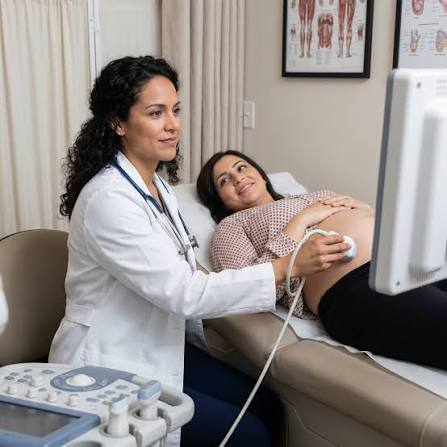
OBGYNs offer a broad range of services, both preventive and diagnostic. Routine screenings like Pap smears and pelvic exams help detect abnormalities early. OBGYNs also diagnose and manage conditions such as endometriosis, polycystic ovary syndrome (PCOS), fibroids, and sexually transmitted diseases (STDs). Pregnancy-related services are another core part of OBGYN care; these include prenatal visits, ultrasounds, labor and delivery management, and postpartum follow-up. OBGYNs may also provide contraception counseling, fertility evaluations, and menopausal care, making the specialty relevant at every reproductive life stage.
What Does an Appointment Involve?
A first appointment typically begins with a review of your medical history; your doctor will ask about your menstrual cycle, any past pregnancies, surgeries, current medications, family medical history, and sexual health. Answering these questions as accurately as possible gives the physician the context needed to provide appropriate care, thereby improving reproductive health. A physical examination usually follows the initial discussion.
Physicals may include a breast exam, an external pelvic exam, and sometimes an internal pelvic exam, depending on your age and health history. A Pap smear, which is used to screen for cervical cancer, may be performed at your first visit, but guidelines vary based on age and risk factors. The appointment ends with an opportunity to discuss any questions or concerns, and your OBGYN may recommend additional tests, follow-up visits, or referrals based on their findings.
How Can You Prepare?
Gathering your medical information in advance is practical, and writing down questions beforehand helps keep the appointment focused on your needs. Follow these steps to prepare for a first appointment:
- Track your last menstrual period and cycle regularity
- List current medications, vitamins, and supplements
- Note any symptoms, such as pelvic pain, unusual discharge, or irregular bleeding
- Write down questions about contraception, screening, or reproductive health
- Bring your insurance card and any relevant prior medical records
Wearing comfortable clothing on the day of your appointment can make the examination process easier. Arriving a few minutes early allows time to complete any required intake forms.
Prepare for Your First Appointment
Your first OBGYN visit can be a straightforward process when you know what to expect. The appointment covers your health history, a physical examination, and a conversation about your reproductive health. Preparation makes the visit more efficient, and it allows your doctor to provide better care. If you are due for a first appointment, contact a local OBGYN to get started.
Read more in-depth guides on Metromsk.Com.
- How to Use Metromsk.Com: A Reader’s Guide to Finding Answers Faster
- Metromsk.Com Editorial Standards: How Guides Are Researched, Checked and Updated
- Metromsk.Com Topic Desks: A Guide to the Eight Categories and What Each Covers
- How to Protect Your Online Accounts: Passwords, Passkeys, MFA and Phishing
- How to Build an Emergency Fund Step by Step