Good nutrition supports energy, muscle function, heart health, and long-term wellness. Some men eat enough calories, but they sometimes miss key nutrients and sound eating patterns. Review protein intake, nutrient balance, and daily habits. Since mens’ health services are available, research them to see which best suits your needs.
Which Proteins Support Men?
Protein helps maintain muscle, supports recovery, and contributes to steady appetite control. Add it to your diet as your provider recommends. Lean poultry, fish, eggs, beans, and Greek yogurt are useful options, and each fits a simple meal plan. Aim to include one protein source at each meal. Pairing protein with fiber-rich foods makes meals more balanced and filling for some. Eggs with oatmeal, chicken with brown rice, or beans with vegetables work well. Vary your meals weekly. Choose cooking methods that keep meals simple, and include baking, grilling, or sautéing.
Which Nutrients Should Be Added?
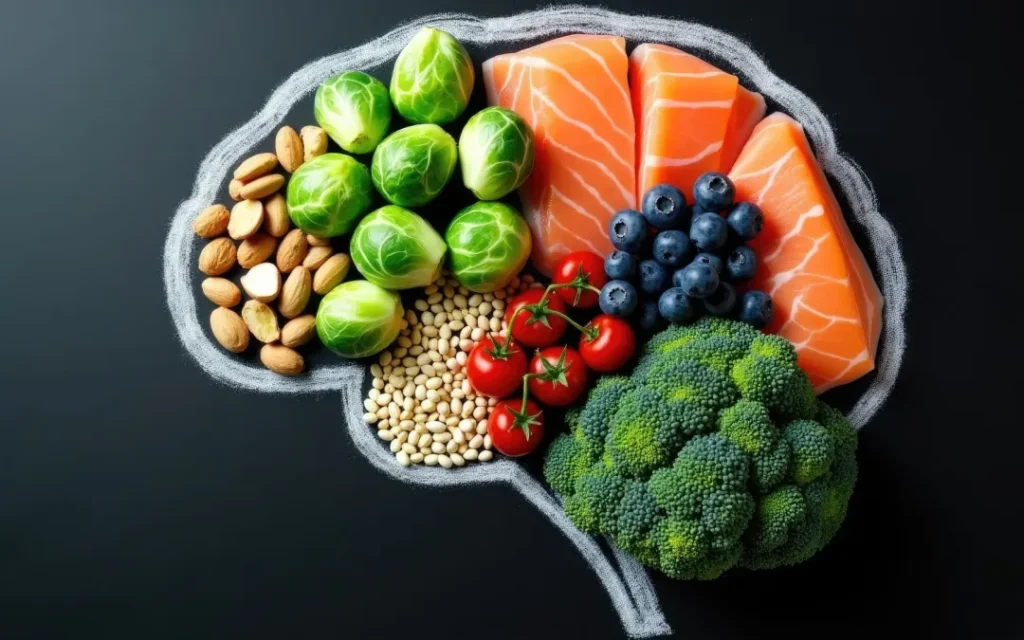
Vegetables, fruit, whole grains, nuts, and seeds improve nutrient intake, and they support digestion. Your individual needs may vary. Mens’ health needs vitamins, minerals, fiber, and healthy fats. When your plate includes several food groups, you get more nutrients, and meals stay fresh. A simple target is half vegetables, one-quarter protein, and one-quarter whole grains. Include healthy fats in moderate amounts, because they help with nutrient absorption. Fats can support a more balanced meal pattern.
Avocados, olive oil, nuts, and seeds are practical options that fit easily into meals and snacks. You can find most at nearby stores. Choose dark leafy greens, berries, carrots, tomatoes, and beans across the week, and your meals will cover a wider range of needs. If you often eat packaged foods, start by swapping one refined item for a whole-food option. Replace sugary cereal with oats, white bread with whole-grain bread, or chips with nuts and fruit. Small changes are easier to maintain, and they can improve diet quality over time.
Which Patterns are Recommended?
A solid eating pattern matters as much as food choice. Some men do better with three balanced meals, but others may need one planned snack between meals. When work disrupts meals, planning is useful. Convenience foods sometimes replace balanced options. Keep a few reliable foods on hand, while making your routine easier to follow on busy days. Tips include:
- Building regular meals: Aim for consistent meal times, because a loose routine can make appetite harder to manage.
- Keeping simple foods available: Stock fruit, nuts, yogurt, canned beans, and whole-grain wraps for quick, balanced meals.
- Planing around activity: Eat within a reasonable window before and after exercise, so meals support performance and recovery.
- Using structure at night: If you want food after dinner, choose one defined option instead of grazing.
If your mornings are rushed, prepare breakfast the night before. Do not start the day underfueled. A simple breakfast can include yogurt with fruit, eggs with toast, or oats with nuts and seeds. Pack meals when possible, since relying on takeout makes portions and food quality harder to manage. Weekend planning also helps, and a short grocery list can support more consistent choices.
Support Mens’ Health With Nutrition
Good nutrition comes from repeatable habits, not short-term rules. Focus on protein quality, nutrient-dense foods, and steady meal timing. These changes are practical, and they support a broader men’s health plan over time. Start with one adjustment this week, then build from there. If you want more direction, use professional diet suggestions from a men’s health service. A clinician can review your routine, and they help match food choices to your goals.
Read more in-depth guides on Metromsk.Com.
- How to Use Metromsk.Com: A Reader’s Guide to Finding Answers Faster
- Metromsk.Com Editorial Standards: How Guides Are Researched, Checked and Updated
- Metromsk.Com Topic Desks: A Guide to the Eight Categories and What Each Covers
- How to Protect Your Online Accounts: Passwords, Passkeys, MFA and Phishing
- How to Build an Emergency Fund Step by Step