
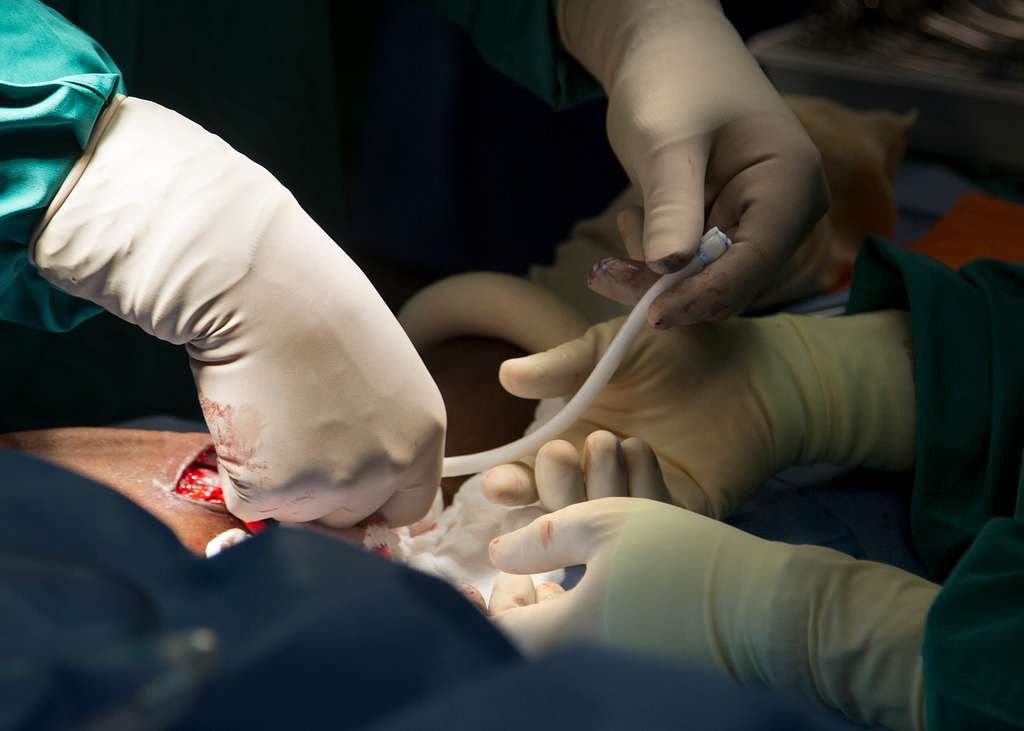
Dialysis access is the point on your body where blood leaves and returns during dialysis treatment. People with kidney failure need this access because their kidneys no longer filter waste from the blood. A surgeon creates the access through a procedure that connects an artery and a vein, or places a small tube under the skin. Here is some information about preparing for dialysis access surgery:
Following Pre-Surgery Guidelines
Following pre-surgery guidelines helps confirm that the access procedure goes smoothly and reduces the risk of complications. You should review your current medications with your doctor. Some blood thinners and other drugs need to be paused or adjusted before the procedure, so verify the timing with your provider. You may be asked to stop eating and drinking for several hours beforehand. This helps prepare your body for anesthesia and reduces the risk of complications during the procedure.
Dialysis access is placed in the arm, so caring for this area helps create good conditions for healing after surgery. Avoid blood draws, blood pressure cuffs, and IV lines, since these affect the veins your surgeon plans to use. Keep the skin clean and free of cuts or infections. Arrange transportation home, because you will not be able to drive after anesthesia.
Understanding the Procedure and Recovery
Understanding what to expect before, during, and after the procedure helps support a smooth recovery. The surgery is usually short. A surgeon may create a fistula by directly joining an artery and a vein, often in your forearm or upper arm. In other cases, a graft connects the artery and vein with a small synthetic tube. Many access procedures use local anesthesia with sedation, though some require general anesthesia. Patients usually return home the same day.
Recovery starts right after the procedure, and your care team will explain how to:
- Manage symptoms: Swelling, bruising, or discomfort may develop near the access site.
- Clean the surgical site: Keep the area clean and dry, and follow the instructions for bathing and wound care.
- Introduce exercise: A fistula needs time to mature before it is ready for use, often several weeks to a few months. Your surgeon will tell you when light exercises, such as squeezing a soft ball, are appropriate to help a fistula develop.
Planning for Long-Term Access Care
Once your access heals, daily habits help protect it. Check the site each day for signs of infection, such as redness, warmth, or drainage. Feel for the “thrill”; this is a gentle buzzing sensation over a fistula or graft that signals steady blood flow. Contact your care team if that sensation changes or stops.
Protect the access arm during everyday tasks. Heavy bags put stress on the access arm, and sleeping on that side or wearing tight jewelry or sleeves can also cause discomfort. Since the arm contains the dialysis access site, nurses and other providers should avoid using it for blood pressure readings or needle sticks.
Your dialysis team will monitor the access at each session. They check blood flow, inspect the skin, and watch for narrowing or clotting that might affect treatment. Keep your follow-up appointments, and report any pain, bleeding, or trouble during dialysis. Good blood sugar control and steady blood pressure also support the health of your access over time.
Learn More About Dialysis Access
Preparing for dialysis access surgery involves clear steps, from pre-surgery instructions to long-term care routines. Knowing what to expect helps you feel ready for each stage of the process. Every patient’s situation is different, so talk with your care team about the access type that fits your needs. Contact your provider today to schedule a consultation to plan your dialysis access care.
Discover more useful reads on Metromsk.Com.
- How to Use Metromsk.Com: A Reader’s Guide to Finding Answers Faster
- Metromsk.Com Editorial Standards: How Guides Are Researched, Checked and Updated
- Metromsk.Com Topic Desks: A Guide to the Eight Categories and What Each Covers
- How to Protect Your Online Accounts: Passwords, Passkeys, MFA and Phishing
- How to Build an Emergency Fund Step by Step