
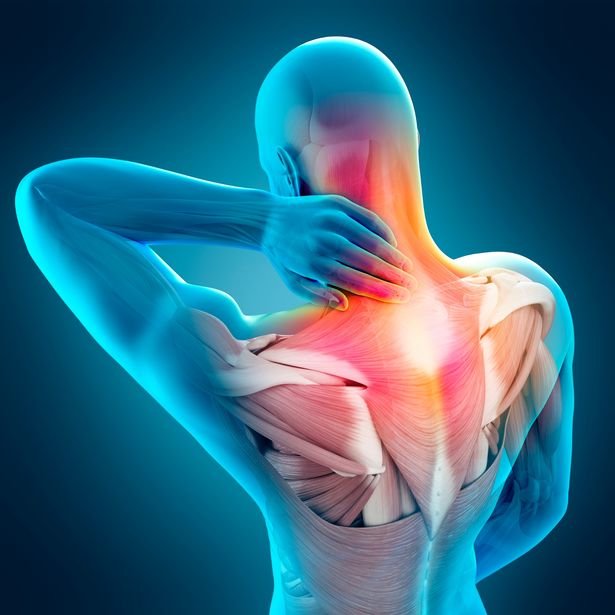
Chronic arthritis pain affects the joints, and it often influences how you move throughout the day. Some people also experience nerve-related pain known as neuropathy, which may overlap with joint discomfort. Understanding the differences between these conditions helps guide conversations with your healthcare provider. Here’s information about chronic arthritis pain, how it can overlap with other conditions, and approaches that aim to relieve symptoms:
Recognizing Pain Patterns
Chronic arthritis pain usually affects the joints, while neuropathy involves the nerves that carry signals throughout the body. These conditions sometimes occur simultaneously, so it may be difficult to distinguish one type of discomfort from the other. When you describe your symptoms clearly, your healthcare provider gains a more complete understanding of your condition, and that information helps identify possible causes and guide treatment decisions.
Joint pain and nerve-related discomfort often present differently, so recognizing those differences can be helpful. Arthritis pain typically remains localized to a specific joint, whereas neuropathy extends along the path of a nerve into other areas. Keep track of where and when you notice each type of symptom. This record provides valuable context for your provider.
Tracking Daily Symptoms
Keeping a symptom record helps you describe your pain more accurately, and it turns general impressions into useful details. Writing patterns down sometimes makes them easier to recognize. Because consistent tracking creates a clearer timeline, your healthcare provider can reference specific observations during your appointment.
A practical symptom log should be brief yet capture the information that matters. Each entry contributes to a more complete understanding of your situation. When you bring this information to an appointment, your provider can work from documented observations rather than general estimates. They discuss what the patterns may suggest, and they outline appropriate next steps.
Contemplate recording the following in your symptom log:
- The location of your discomfort
- The time of day the pain occurs
- Activities that precede the discomfort
- Pain patterns you notice throughout the day
- How long each episode typically lasts
- Any changes you observe from week to week
Exploring Relief Strategies
Several everyday strategies can support comfort for joint and nerve-related pain. Gentle movement helps keep the joints active, and staying within a comfortable range of motion supports a consistent routine. Because rest is also significant, balancing activity with recovery time can make daily symptoms more manageable. Treatment options depend on the underlying cause and severity of your symptoms and may include:
- Steroid injections
- Physical therapy
- Prescription medications
- Lifestyle modifications
A healthcare provider can recommend the most appropriate combination of treatments based on your condition, overall health, and treatment goals. They often recommend strategies tailored to your individual circumstances, and following that guidance helps keep your approach consistent. Some people find that a structured daily routine works well, while others benefit from modifying specific activities to improve comfort. Whatever approach you follow, discussing it with your provider helps make sure it aligns with your medical history and current needs.
Consult an Arthritis and Neuropathy Specialist
Understanding chronic arthritis pain begins with recognizing symptoms, consistently tracking them, and discussing relief strategies with your healthcare provider. Each of these steps gives your care team the context needed to guide treatment decisions and ongoing management. Symptoms can change over time; maintaining accurate records helps your provider evaluate patterns more effectively. Keep your records organized, note any new or changing symptoms, and ask your questions directly during your next appointment. For comprehensive pain relief assistance, find a specialist who can treat both arthritis and neuropathy.
Find more practical guides on Metromsk.Com.
- How to Use Metromsk.Com: A Reader’s Guide to Finding Answers Faster
- Metromsk.Com Editorial Standards: How Guides Are Researched, Checked and Updated
- Metromsk.Com Topic Desks: A Guide to the Eight Categories and What Each Covers
- How to Protect Your Online Accounts: Passwords, Passkeys, MFA and Phishing
- How to Build an Emergency Fund Step by Step