
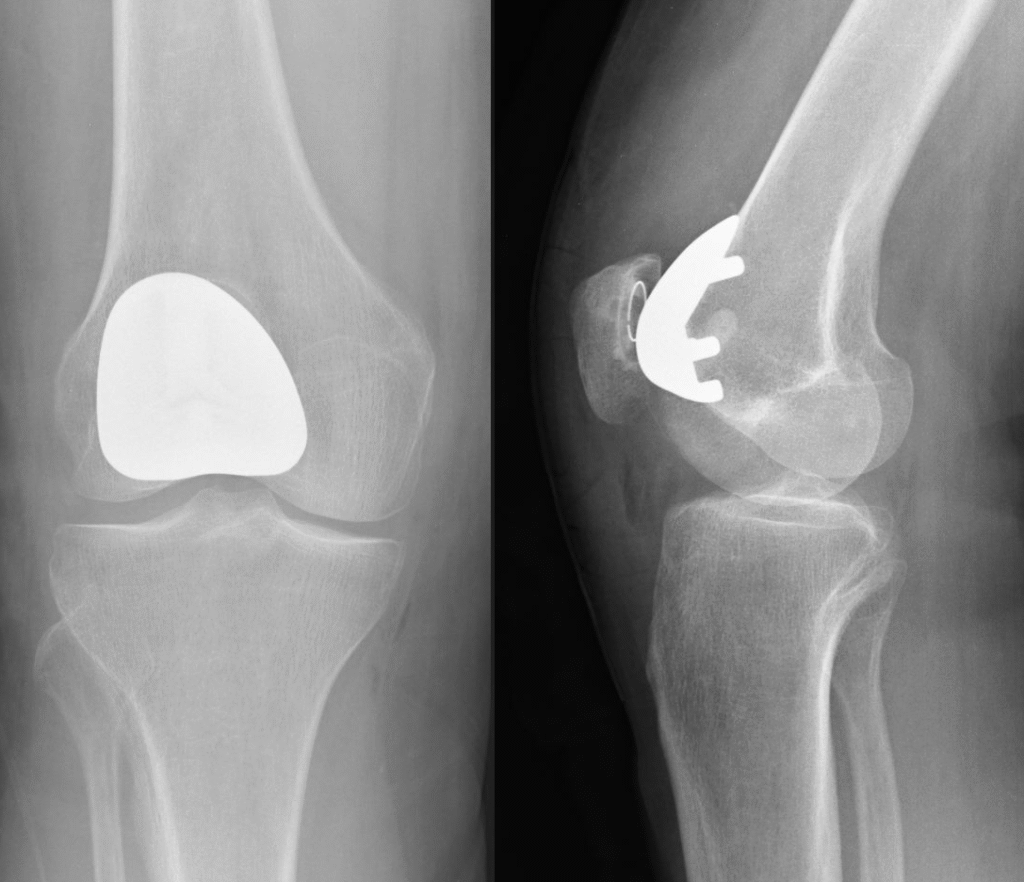
Total joint replacement is a commonly performed orthopedic procedure, and it is performed for adults who live with ongoing joint pain and reduced mobility. Damaged joints can make everyday activities more difficult over time. When other treatments no longer bring relief, an orthopedic surgeon may discuss whether replacing the affected joint would help restore movement and relieve pain.
What Is Total Joint Replacement?
Total joint replacement is a surgical procedure that removes a damaged joint, and a surgeon replaces it with an artificial one. The new joint is typically made from metal, plastic, or ceramic materials designed to mimic the movement of a natural joint. Hips and knees are the most commonly replaced joints, though shoulders, ankles, and elbows can also be treated in some cases.
Joint damage often develops from conditions such as osteoarthritis, rheumatoid arthritis, or injury. As the protective cartilage between bones wears down, bones may rub together. This can lead to stiffness, swelling, and discomfort. Joint replacement aims to reduce these symptoms, and it may improve function so that daily tasks become more manageable. Surgeons generally recommend this procedure after less invasive treatments, such as physical therapy or lifestyle changes, have been explored.
What Does Preparation Involve?
Preparation for joint replacement may begin with an evaluation. An orthopedic specialist will review your medical history, and they can order lab testing. These steps help the surgical team understand the extent of the damage and plan the procedure accordingly. Patients may be asked to complete several steps to support the process, including:
- Conditioning: Strengthening the muscles around the joint through guided exercises can help support recovery.
- Medication Review: Your care team will review current medications and advise whether any should be adjusted before the procedure.
- Support Planning: Organizing assistance for tasks like transportation after surgery is often suggested.
Following the instructions provided by your surgical team helps prepare your body for the procedure and the weeks that follow.
What Should You Expect After?
Recovery from total joint replacement varies from person to person; it depends on factors such as the joint treated, overall health, and adherence to the recovery plan. Patients may begin gentle movement soon after surgery, under the supervision of medical staff. Physical therapy plays a central role in recovery. A therapist will guide you through exercises designed to rebuild strength, restore flexibility, and improve balance.
Progress is usually gradual, and following the recommended routine supports steady improvement over time. Pain management is another part of the recovery process. Your care team will discuss methods to help keep discomfort under control as the joint heals. Swelling and stiffness are common in the early stages, which tend to ease as recovery continues.
Follow-up appointments allow the surgeon to monitor healing and address any concerns. Many people gradually return to daily activities over several weeks to months, but full recovery can take longer depending on individual circumstances. Adopting joint-friendly habits, as well as staying active within recommended limits, may support long-term results.
Speak With an Orthopedic Specialist
Modern implants are designed for durability, and patients can maintain an active lifestyle years after their procedure. Choosing the right treatment option depends on your specific condition, goals, and overall health. An orthopedic specialist will evaluate your joint, and they can help you understand whether total joint replacement aligns with your needs.
Find more practical guides on Metromsk.Com.
- How to Use Metromsk.Com: A Reader’s Guide to Finding Answers Faster
- Metromsk.Com Editorial Standards: How Guides Are Researched, Checked and Updated
- Metromsk.Com Topic Desks: A Guide to the Eight Categories and What Each Covers
- How to Protect Your Online Accounts: Passwords, Passkeys, MFA and Phishing
- How to Build an Emergency Fund Step by Step