Knee arthroscopy is a minimally invasive procedure. Your surgeon uses a small camera, and this tool guides precise repairs. Since you may not know about the process, understanding each phase helps.
Prepare for Your Knee Arthroscopy
Your surgeon may order imaging such as an MRI or X-ray, and these scans confirm the source of your symptoms. Preparation begins with a consultation and a review of your medical history. You will also discuss your current medications, allergies, and any prior surgeries, since this affects your recovery. This information shapes your care plan and helps reduce risk. You will receive fasting instructions before knee arthroscopy, so review them carefully and follow the timing your care team provides. Arrange transportation home in advance.
Anesthesia affects your ability to drive, and you will need a responsible adult to stay with you for the first night. Stop certain medications if your surgeon advises. Some drugs affect bleeding, and your team will list which ones to pause. Wear comfortable, loose-fitting clothing on the day of surgery, so the care team can access your knee easily and you stay comfortable after the procedure. Complete any required pre-operative lab work or physical clearance early. Delays can affect your surgery date. Finishing these steps promptly keeps your timeline on track.
Know What Happens During
The procedure takes place in an operating room under anesthesia. Your surgeon makes small incisions, and a camera enters the joint through one of them. Your care team will discuss anesthesia options with you in advance, since you may have preferences. Common types include:
- General anesthesia: You are fully unconscious during the procedure.
- Spinal anesthesia: Medication is injected into the spinal canal, numbing the lower body.
- Regional anesthesia: A nerve block numbs only the area around the knee.
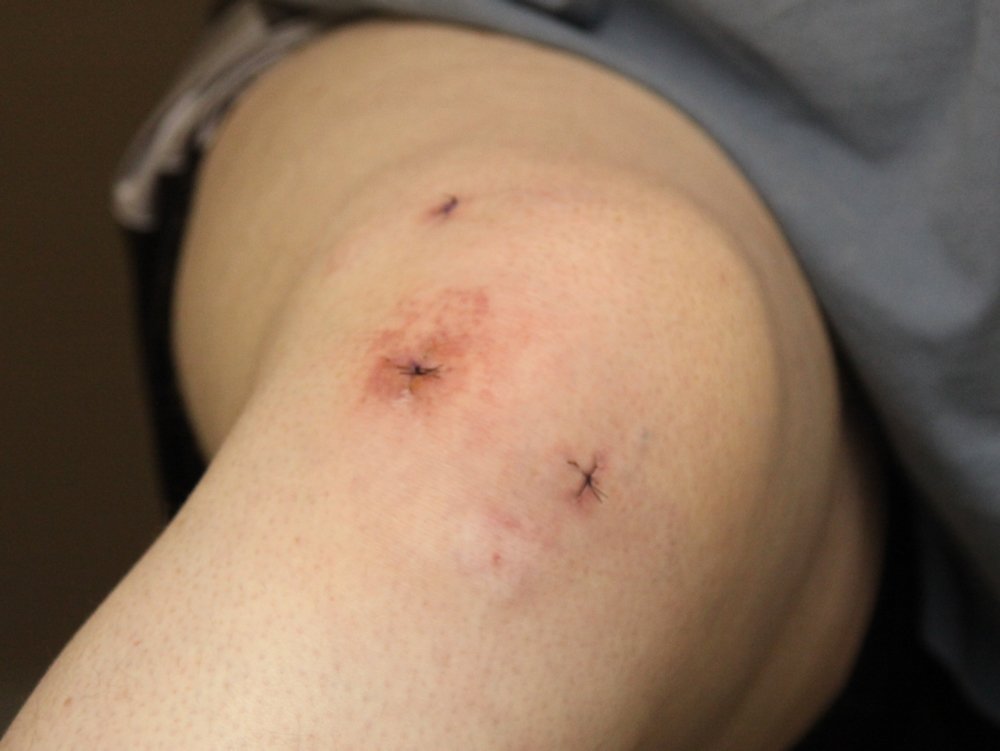
Since the camera displays images on a screen, your surgeon sees the joint clearly. Instruments repair the affected tissue through the same small incisions. Your surgeon may address torn cartilage, remove loose fragments, or repair damaged ligaments, depending on what the camera reveals. Most sessions are short. Fluid fills the joint to expand the space because this improves visibility, and the same fluid drains before closing. Your surgeon closes the incisions with small stitches or adhesive strips, so you have a closed wound. A sterile dressing covers the knee, and a nurse applies compression to reduce swelling. You will move to a recovery area shortly after, where staff monitor your response to anesthesia before discharge.
Navigate Your Recovery Process
Recovery starts in the postoperative area, where staff monitor your vital signs. You may have mild soreness, and pain medication helps manage it during the first days. Keep the incisions clean and dry. This keeps infection risk low, and change dressings as your surgeon directs. Watch for signs of infection, such as increased redness, warmth, or discharge, and contact your care team right away if any of these appear. Weight-bearing restrictions vary by procedure. Follow your surgeon’s guidance carefully and use any assistive devices your team recommends. Physical therapy strengthens the joint over time. Guided exercises restore motion, and your therapist adjusts the plan as you progress. Attend all follow-up appointments, so your surgeon can track healing.
Start Your Consultation Today
Knee arthroscopy follows a clear path from preparation through recovery. Each phase has specific steps, and your care team supports you throughout. Contact the office to discuss your procedure, since your staff will answer your questions before your appointment.
Find more practical guides on Metromsk.Com.
- How to Use Metromsk.Com: A Reader’s Guide to Finding Answers Faster
- Metromsk.Com Editorial Standards: How Guides Are Researched, Checked and Updated
- Metromsk.Com Topic Desks: A Guide to the Eight Categories and What Each Covers
- How to Protect Your Online Accounts: Passwords, Passkeys, MFA and Phishing
- How to Build an Emergency Fund Step by Step