Chronic venous insufficiency, or CVI, is a condition in which the veins in the legs weaken and struggle to return blood to the heart; this disruption can lead to blood pooling in the lower limbs. The condition can lead to other issues, such as varicose veins; over time, this increased pressure can affect the skin, tissue, and overall comfort of the legs. Here is more information about CVI and treatment:
What Causes Chronic Venous Insufficiency?
The condition typically develops when the valves inside the leg veins fail to close properly, so blood flows backward and collects in the vessels. Damaged valves may result from a previous blood clot, or they weaken gradually as a person ages. Several factors can raise the likelihood of developing chronic venous insufficiency. Prolonged standing or sitting reduces circulation, and excess body weight adds pressure to the veins in the legs. Pregnancy, family history, and a sedentary lifestyle are also commonly associated with venous problems.
What Are the Symptoms?
Symptoms often appear gradually, and many people first notice swelling in the ankles or a feeling of heaviness in the legs. This discomfort may worsen after long periods of standing, though it frequently improves when the legs are elevated. Other signs can include:
- Aching, cramping, or a tingling sensation in the legs
- Visible varicose veins
- Skin discoloration or changes in texture near the ankles
- Open sores, if the condition progresses without treatment
What Are the Treatments?
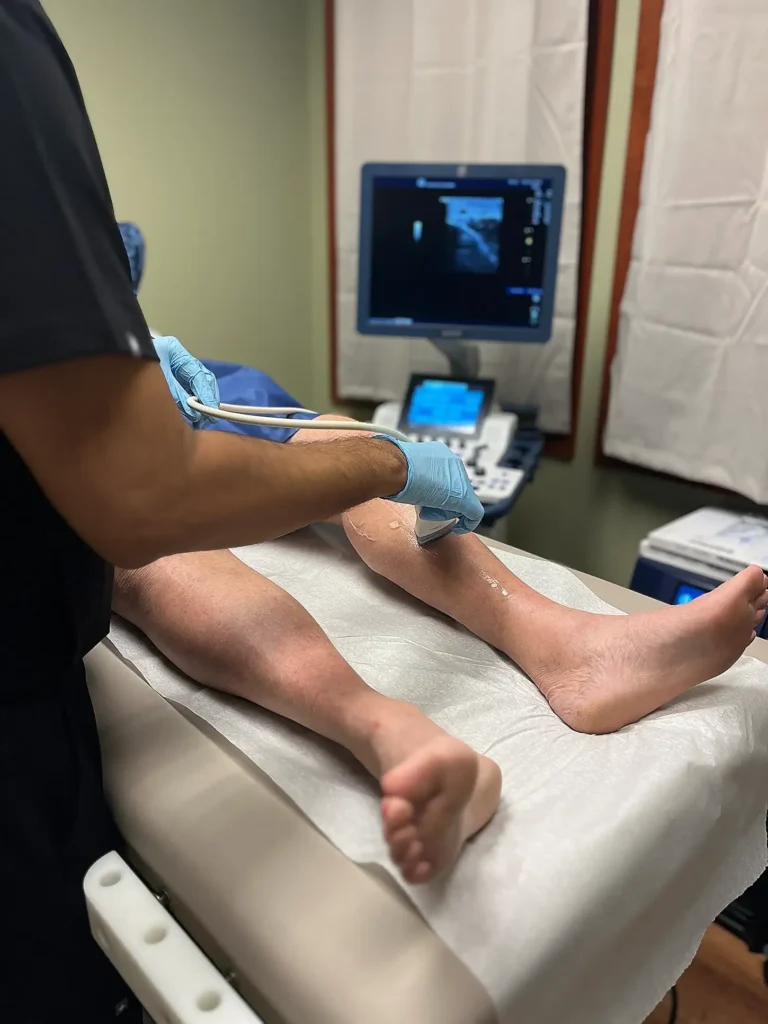
Treatment approaches vary, and doctors determine the effective treatment partly based on the severity of the condition. A vascular specialist can help determine which options are appropriate. Many people begin with conservative measures before pursuing more involved procedures.
Lifestyle Changes
Adjusting daily habits is often one of the first steps, and regular movement helps encourage healthy circulation in the legs. Walking, stretching, and avoiding long stretches of sitting or standing can support blood flow throughout the day. Weight management may also play a role, since reducing pressure on the veins eases certain symptoms. Elevating the legs during rest periods is another simple habit that some people incorporate into their routines.
Compression Therapy
Compression therapy uses specially designed stockings, and these garments apply gentle pressure to the legs to help with swelling and discomfort. The stockings come in different strengths. A healthcare provider can recommend the level that is suited to an individual’s needs.
When Should I Seek Treatment?
You may want to consult a specialist when leg symptoms persist or interfere with daily activities, and early evaluation helps identify the underlying cause. Common reasons people seek professional guidance include:
- Swelling
- Aching
- Visible vein changes
- Skin discoloration near the ankles
- Slow-healing wounds near the ankles
If you notice any of these signs, a vascular provider can assess these changes and outline a treatment plan tailored to your specific situation.
Schedule a Vascular Evaluation Today
Chronic venous insufficiency develops when leg veins struggle to return blood to the heart. Contributing factors range from damaged valves to prolonged inactivity, and symptoms may include swelling, heaviness, and visible veins. Early treatment of CVI can prevent the progression of symptoms, reducing the risk of complications such as ulcers or infections. If you have questions about chronic venous insufficiency or other vascular conditions, consult a vascular vein center near you.