Anxiety can cause persistent worry, tension, and physical symptoms that interfere with daily activities and overall well-being. Helpful techniques such as controlled breathing and professional support may reduce symptoms and improve emotional balance. Here are several helpful techniques for anxiety relief:
Calm Your Body
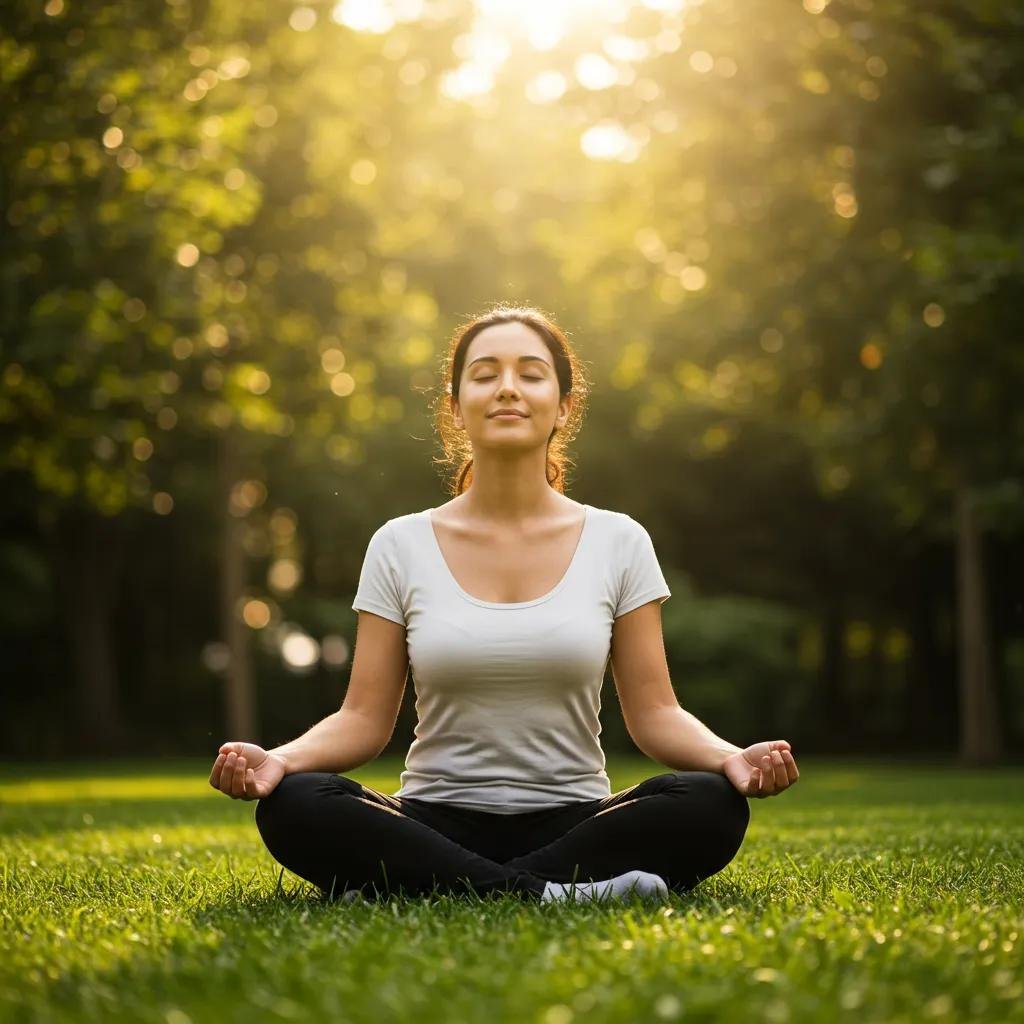
Anxiety often shows up physically before you notice it in your thoughts. Your heart races, your breathing shortens, and your muscles tighten without warning. Slow and controlled breathing is a helpful starting point; it signals your nervous system that you are safe. Inhale for four counts, hold for four, then exhale for six, and repeat this cycle several times until your body settles.
Physical movement also releases built-up tension; a short walk or gentle stretching can change how you feel. Progressive muscle relaxation is another method, and it involves tensing one muscle group at a time before releasing it. When you calm your body first, your thoughts often become easier to manage.
Quiet Anxious Thoughts
Racing thoughts feed anxiety, but you can interrupt them with a few structured techniques. The following methods may help you create distance between yourself and unhelpful thinking patterns:
- Name the thought: Labeling a worry as “just a thought” reduces its grip, reminding you that thoughts are not always facts.
- Question the evidence: Ask yourself what proof supports the worry, and you will often find the fear is larger than reality.
- Use grounding: Focus on things you can see, touch, smell, and taste to pull your attention back to the present.
- Write it down: Recording thoughts on paper moves them out of your head, and it creates space to review them with a clearer perspective.
Build Anxiety-reducing Habits
Daily habits influence how your body and mind respond to stress, and consistent routines make anxiety easier to manage. Regular sleep is a key foundation, so aim for consistent times to rest and wake, even on weekends. Balanced meals keep your energy stable, and limiting caffeine and alcohol can reduce the spikes that trigger anxious feelings. Movement matters too; moderate exercise several times a week supports a calm baseline mood. Mindfulness practice, such as a few minutes of daily meditation, can train your attention to stay in the present.
Know When To Get Support
Self-guided techniques often help, but some situations call for professional care and closer monitoring. The following signs suggest that reaching out for support would be helpful:
- Symptoms interfere with daily life: When anxiety affects your work, relationships, or sleep on a regular basis, structured treatment can address the root causes.
- Physical symptoms persist: Ongoing physical symptoms need attention, and a professional can help you understand them.
- Coping methods stop working: When strategies that once helped no longer ease your anxiety, a tailored plan can offer new approaches.
- You feel overwhelmed most days: Constant tension that does not lift with rest is a clear signal.
Schedule Your Anxiety Consultation
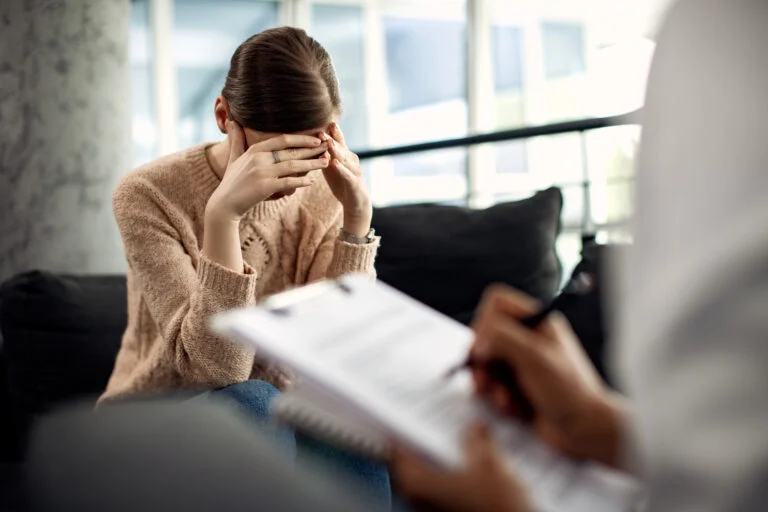
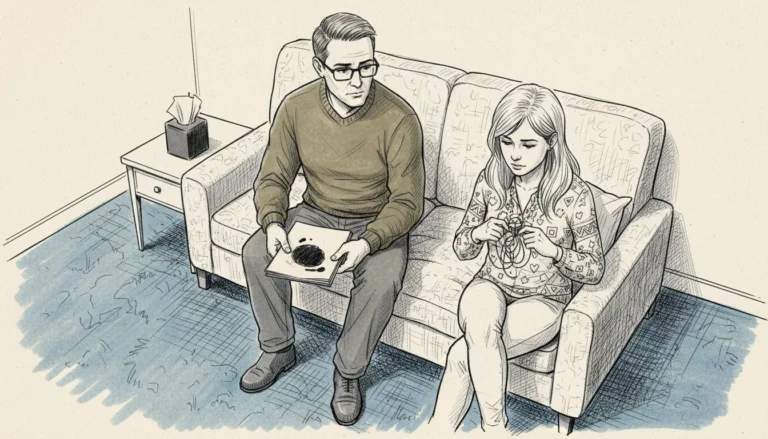
Managing anxiety requires calming your body, quieting anxious thoughts, and building habits that support your well-being. These techniques give you practical control, but lasting change often benefits from personalized guidance and close monitoring. Contact a qualified psychiatrist near you to schedule your anxiety consultation.
Read more in-depth guides on Metromsk.Com.
- How to Use Metromsk.Com: A Reader’s Guide to Finding Answers Faster
- Metromsk.Com Editorial Standards: How Guides Are Researched, Checked and Updated
- Metromsk.Com Topic Desks: A Guide to the Eight Categories and What Each Covers
- How to Protect Your Online Accounts: Passwords, Passkeys, MFA and Phishing
- How to Build an Emergency Fund Step by Step