

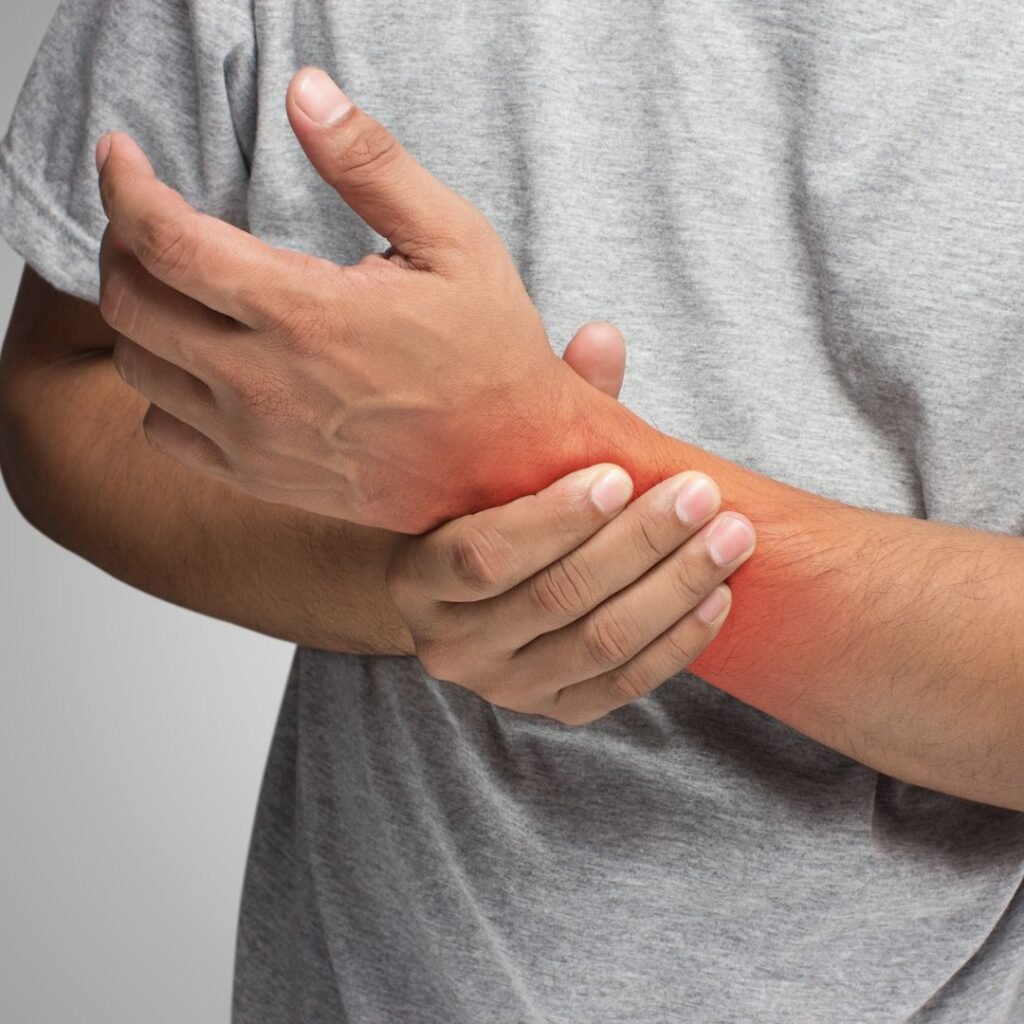
Sports medicine connects physical activity with injury prevention and treatment. The field addresses sports injuries and also uses exercise research to support health. When physical activity places stress on the feet and ankles, medicine provides treatment, and providers can address injuries that affect movement.
Understanding Sports Medicine Care
Sports medicine covers injuries that affect active people. Foot and ankle problems include sprains, stress fractures, Achilles tendon problems, and plantar fasciitis, and treatment focuses on the affected structures. When an injury affects movement, providers can use braces or boots, treat fractures, and repair severe injuries surgically.
The field also draws on sports science research. Exercise supports health, and research examines physical activity for prevention and performance. Because sports medicine connects research with clinical care, providers can apply evidence-based approaches, and active individuals receive information that relates to exercise and injury prevention.
Preventing Sports Injuries
Injury prevention is a focus of sports science and medicine. Research examines ways to decrease injury risk, and it also explores methods for optimizing physical performance. When athletes and active individuals use evidence-based approaches, they have guidance for exercising in ways that address the demands of their activities.
Supporting Injury Recovery
Sports injuries range from overuse problems to acute injuries. Running and jumping place stress on the feet and ankles, and sudden twisting or jarring movements can damage ligaments. When an injury occurs, providers assess its severity, and they select treatment that addresses the affected bones, muscles, tendons, or soft tissues.
Treatment options vary by injury. Braces and boots help keep muscles, tendons, and bones in position while they heal; severe fractures or soft-tissue injuries might require surgery. When recovery requires additional rehabilitation, physical therapy referrals support strength, flexibility, and range of motion, and these services help address the physical effects of an injury.
Applying Exercise to Health
Exercise also has a broader role in health care. Increased physical activity improves outcomes for conditions such as depression, osteoarthritis, hypertension, obesity, cancer, and diabetes mellitus. Exercise has long been part of medical care; physicians have used it as part of approaches focused on maintaining health and preventing disease.
Physical inactivity is linked with health risks. Exercise provides benefits across multiple body systems; physical activity also plays a role in disease prevention. Sports medicine includes this focus on physical activity, so exercise extends beyond athletic performance and injury care.
Sports science supports evidence-based approaches for athletes and active individuals. Findings about exercise, injury prevention, and performance help address gaps between athletic practices and scientific evidence. Communication between sports scientists, medical providers, coaches, and athletes helps move this knowledge into sports settings.
Schedule a Sports Medicine Consultation
Sports medicine addresses injury prevention, treatment, and exercise-related health. Foot and ankle care includes treatment for several sports injuries; recovery can involve devices, surgery, or physical therapy referrals. When care matches the injury and the demands of physical activity, a specialist provides an approach to prevention and recovery, and treatment can focus on restoring movement. Schedule a consultation with a specialist in your area today.