A solid international travel checklist covers four areas: documents (a valid passport, any visas and copies of both), health (vaccines, medications and insurance), money (cards that work abroad, some local cash and a backup plan), and safety (sharing your itinerary and knowing local emergency contacts). Sort those out a few months before departure and the rest of the trip gets much easier. Below, Metromsk.Com breaks each area into practical steps you can tick off.
Key Takeaways
- Check your passport expiration date first; some countries and airlines deny entry if it expires within six months.
- Research entry rules, visas and health recommendations for every country on your route, including layovers.
- Bring at least two ways to pay and tell your bank where you are going.
- Keep digital and paper copies of key documents separate from the originals.
Documents: Start Here First
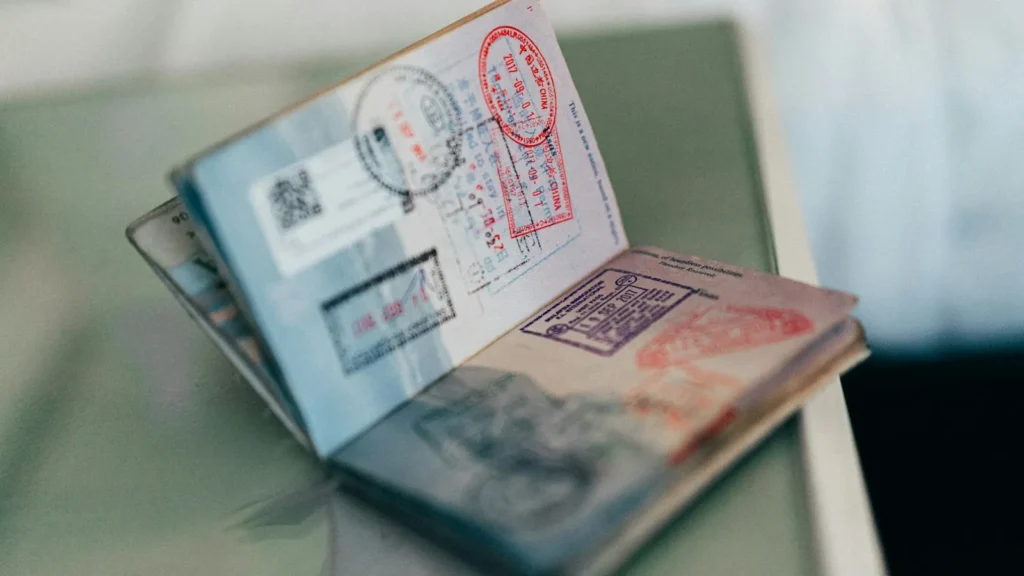
Documents take the longest to fix, so handle them before anything else. Pull out your passport today and check the expiration date and the number of blank pages.
USAGov advises renewing early because processing times vary, and notes that some countries and airlines deny entry if your passport expires within six months. The same page explains when you can renew by mail or online and when you must apply in person.
Your Document Checklist
- Passport valid well beyond your return date, with blank pages
- Visas or electronic travel authorizations required by your destination
- Flight, lodging and tour confirmations
- Driver’s license, plus an International Driving Permit if you plan to drive and your destination requires one
- Travel insurance policy number and emergency contact line
- Printed and digital copies of everything, stored separately from the originals
Check entry rules for each country on your itinerary, including countries where you only have a layover. Requirements can differ even between neighboring nations.
Health: Prepare Before You Fly
Some vaccines need weeks to take effect or require more than one dose, so look at health recommendations early. The CDC’s Travelers’ Health site lets you select a destination to see recommended vaccines, current travel health notices and tips for staying healthy.
Schedule a visit with your doctor or a travel clinic, ideally several weeks before departure. Bring your itinerary so they can give advice that fits the places and activities you have planned.
Medications and Insurance
Pack prescription medications in their original labeled containers, in your carry-on, with enough to cover a few extra days. Some medicines that are legal at home are restricted elsewhere, so check the rules for your destination.
Many domestic health plans offer limited or no coverage abroad. Review your policy and consider travel medical insurance, especially for remote destinations. It also helps to know how care is organized; our explainer on when to choose urgent care over the emergency room is a useful refresher before any trip. You can find more wellness topics in our health section.
This article is general information, not medical advice. Talk with a qualified health professional about vaccines and medications for your specific trip.
Money: Pay Smart Abroad
Running out of usable money is one of the most stressful travel problems, and it is easy to prevent. Build a plan with at least two payment methods and a backup.
| Payment method | Strengths | Watch out for |
|---|---|---|
| Credit card | Widely accepted, dispute protection | Foreign transaction fees on some cards |
| Debit card | Access to local cash at ATMs | ATM and bank fees, skimming risk |
| Local cash | Needed for small shops, tips, taxis, markets | Loss or theft; carry only what you need |
| Mobile wallet | Fast, no card handling | Not accepted everywhere; needs a charged phone |
- Tell your bank and card issuers your travel dates so purchases are not flagged.
- Check foreign transaction and ATM fees before you leave.
- When a card machine asks, paying in the local currency is often cheaper than paying in dollars.
- Keep one card and some cash in a separate place from your main wallet.
For ways to keep the overall cost down, see our guide on how to plan a budget trip.
Safety: Stay Connected and Aware
Share your itinerary with someone at home and agree on a check-in routine. Save the address and phone number of the nearest U.S. embassy or consulate, along with the local emergency number, in your phone and on paper.
Research common scams and neighborhoods to avoid at your destination. Use hotel safes for passports and extra cash, and stay alert in crowded transit hubs and tourist areas.
Phone and Connectivity
Check whether your mobile plan includes international service or whether a local SIM or eSIM makes more sense. Download offline maps, translation tools and copies of your bookings in case you lose signal.
Packing and Final Week Tasks
- Confirm flights and check in online when available.
- Pack a universal power adapter and a portable charger.
- Put medications, documents and a change of clothes in your carry-on.
- Arrange pet care, mail holds and bill payments while you are away.
- Photograph your luggage and its contents in case a bag goes missing.
Whether you are planning a city break in Europe or island hopping closer to home, like the trip in our story on a USVI yacht charter adventure, this checklist keeps the essentials covered. Find more ideas in our travel section.
The Metromsk.Com team suggests printing this list and keeping it with your passport until departure day.
If part of your trip happens on the road, our road trip planning tips cover routes, vehicle checks and rest stops.
Frequently Asked Questions
How early should I start my international travel checklist?
Start about three months before departure, or earlier if your passport needs renewing or your destination requires a visa. That leaves time for document processing, vaccine schedules and finding good fares. The final week can then focus on confirmations, packing and notifying your bank, rather than urgent paperwork that could put the whole trip at risk.
Do I need a visa for my destination?
It depends on your citizenship, your destination and the purpose and length of your stay. Some countries allow visa-free visits for U.S. passport holders, while others require a visa or electronic authorization in advance. Check the official government sources for each country on your route, including layover stops, well before you book.
Should I exchange money before I leave?
Having a small amount of local cash on arrival can help with taxis, tips or snacks before you reach an ATM. For the rest of your trip, a fee-friendly debit card at a bank ATM is often more convenient. Compare exchange options and fees, and avoid carrying large amounts of cash at once.
What should I do if I lose my passport abroad?
Report the loss to local police if required and contact the nearest U.S. embassy or consulate as soon as possible. Bring a copy of your passport, a photo ID if you have one and your travel details. Keeping digital and paper copies of your passport makes the replacement process much faster and less stressful.
For more planning help, browse Metromsk.Com travel and lifestyle guides.