

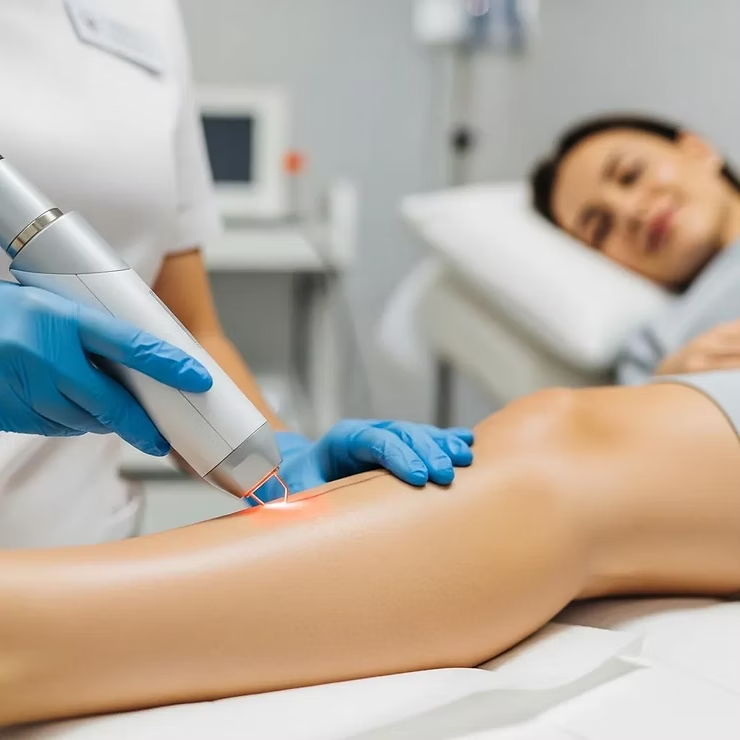
A vein clinic is a facility that focuses on diagnosing and treating conditions affecting the veins, such as varicose veins and spider veins. These clinics are staffed by physicians and technicians who work with modern diagnostic tools and treatment systems. Over the years, technology has changed how these facilities operate, and many procedures once requiring extensive surgery are now performed with far less disruption. Here’s information on what procedures use advanced technology in vein clinics:
Ambulatory Phlebectomy
Ambulatory phlebectomy is a technique used to remove surface veins through small punctures in the skin, usually for vein conditions impacting the lower legs. This procedure is typically performed on an outpatient basis, which means patients can often return home the same day. Physicians use local anesthesia and specialized instruments to access the targeted veins with precision.
A modern vein clinic uses fine surgical hooks and microblades for accuracy. These tools allow physicians to make tiny incisions, and the small openings can often close without stitches. After the procedure, clinics provide compression garments to support the treated leg, and staff typically review aftercare steps before discharge. Follow-up appointments help physicians monitor the treated area throughout recovery.
Sclerotherapy
Sclerotherapy involves injecting a solution directly into the affected vein, often to treat a spider or varicose vein. The solution prompts the vein to close, and the body gradually reroutes blood to nearby healthy veins. Vein clinics now use ultrasound guidance during certain sclerotherapy procedures to effectively reach veins located deeper beneath the skin. Clinics often schedule multiple sessions depending on the number and size of the veins being treated.
Radiofrequency Ablation
Radiofrequency ablation uses heat generated by radio waves to treat larger veins. During the procedure, a thin catheter is inserted into the vein, and the physician guides it using ultrasound imaging. The catheter delivers controlled thermal energy along the vein wall. This energy causes the vein to close, redirecting blood flow to surrounding veins. Many clinics perform radiofrequency ablation with local anesthesia in an outpatient setting, allowing patients to walk shortly after the appointment. Radiofrequency ablation procedures are recommended for larger varicose vein conditions that cause symptoms like:
- Cramping
- Pain
- Swelling
- Heaviness
Endovenous Laser Therapy
Endovenous laser therapy (EVLT) is another catheter-based technique, which only needs a small entry incision. Instead of radio waves, this method uses laser energy to treat the targeted vein. A physician inserts a thin laser fiber into the vein under ultrasound guidance and then delivers precise pulses of energy.
The laser energy heats the vein wall, prompting the vein to close over time. Clinics often use this technology for varicose veins that are larger or located deeper in the leg. Modern vein clinics frequently combine several of these technologies to address different vein conditions within one treatment plan. Ultrasound imaging plays a central role across nearly all of these procedures, giving physicians a clear view of the veins they are treating. This combination of imaging and minimally invasive tools reflects the direction vein care has taken in recent years.
Contact a Vein Clinic Today
Vein clinics continue to adopt new tools and techniques that support effective diagnosis and treatment of vascular concerns. Whether a clinic uses ambulatory phlebectomy, sclerotherapy, radiofrequency ablation, or endovenous laser therapy, each method relies on advanced imaging and refined instruments. If you want treatment for a vein condition, contact a local vein clinic to learn more about the technologies they offer. Schedule a consultation to learn personalized medical advice focused on your vascular needs.