Smart road trip planning means mapping a realistic route with built-in breaks, getting your vehicle checked before you leave, packing an emergency kit, and budgeting for fuel, food and lodging. Add a plan for staying alert behind the wheel and you have the foundation for a smooth journey. This Metromsk.Com guide walks through each step, from the first map sketch to the last mile home.
Key Takeaways
- Plan shorter driving days than you think you need, with regular stops built in.
- Have tires, fluids, brakes, lights and the battery checked before a long drive.
- Keep an emergency kit in the car with jumper cables, a phone charger, a blanket and a paper map.
- Never push through drowsiness; pull over somewhere safe to rest or switch drivers.
Map a Realistic Route
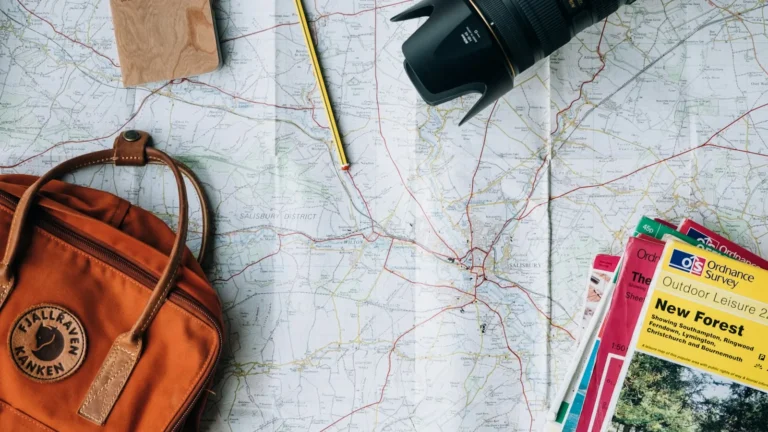
Start with your must-see stops and work backward to a route. Online maps make it easy to see total distance, but they assume steady driving with no breaks. Real trips include fuel stops, meals, traffic, scenic detours and restroom breaks.
As a rule of thumb, plan driving days that leave time to enjoy where you are going. Long, back-to-back days on the road tend to wear everyone out and leave little room for the unexpected.
Choose Your Overnight Stops
Decide where you will sleep each night before you leave, at least for busy routes and peak seasons. Booking ahead protects you from arriving late and finding every nearby hotel full. For quieter routes, you can leave a night or two flexible to follow your mood.
Prepare Your Vehicle
A breakdown far from home can derail a trip and your budget. Schedule a maintenance check a week or two before departure so there is time to fix anything a mechanic finds.
| What to check | Why it matters | When |
|---|---|---|
| Tire pressure and tread | Affects handling, braking and fuel use | Before leaving and every few days on the road |
| Spare tire and jack | Lets you handle a flat without waiting for help | Before leaving |
| Oil and other fluids | Prevents overheating and engine wear | Before leaving; top off as needed |
| Battery | Weak batteries fail more often in heat and cold | Test at your pre-trip service |
| Brakes | Critical for mountain grades and heavy loads | At your pre-trip service |
| Lights and wipers | Visibility in rain, fog and night driving | Before leaving |
| Air conditioning and heat | Comfort and safety in extreme weather | Before leaving |
If you are renting a car, walk around it before you drive away, photograph any existing damage and confirm who to call if something goes wrong.
Pack a Car Emergency Kit
Even a well-maintained car can get a flat or a dead battery. Ready.gov recommends keeping jumper cables, flares or a reflective triangle, a car phone charger, a blanket and a paper map in your vehicle, along with seasonal items like an ice scraper.
- A first aid kit and any personal medications
- Drinking water and nonperishable snacks
- A flashlight with spare batteries
- A tire pressure gauge and basic tools
- Paper towels, wet wipes and trash bags
- Copies of your license, registration and insurance card
It is also smart to know what to do after a collision, even a minor one. Our article on car accident injury symptoms you should never ignore explains why it is worth getting checked even if you feel fine.
Budget for the Road
Fuel, lodging and food are the three big road trip costs. Estimate fuel by dividing your total miles by your car’s average miles per gallon, then multiply by a realistic price per gallon along your route.
Pack a cooler with drinks and easy lunches to cut down on roadside restaurant stops. Use fuel price apps to find cheaper stations, and avoid filling up right next to highway exits when prices are higher. For more ways to save, read our guide on how to plan a budget trip.
Stay Alert and Safe Behind the Wheel
Fatigue is one of the biggest risks on a long drive. The CDC’s NIOSH guidance on driver fatigue notes that the only real cure for fatigue is sleep; caffeine and a short nap help only temporarily. If you feel drowsy, pull over somewhere safe.
- Get a full night of sleep before each driving day.
- Stop every couple of hours to stretch, walk and refocus.
- Share driving with another licensed adult when possible.
- Avoid driving during the hours you would normally be asleep.
- Set your phone and navigation before you start moving, and keep it hands-free.
Long hours in the car can also be hard on your back. Adjust your seat to support your lower back, keep your arms slightly bent, and use stops to walk around.
Check Weather and Road Conditions
Look at the forecast and road conditions for each day’s route before you set out. Mountain passes, construction zones and seasonal closures can add hours. Have a backup route in mind and be willing to wait out severe weather.
Keep Everyone Comfortable
A happy car makes for a smoother trip. Download playlists, podcasts and audiobooks before you lose signal. For kids, pack a small bag of activities and plan stops at parks or attractions where they can burn off energy.
Agree on a few ground rules before leaving, such as who picks the music and how often you stop. It sounds minor, but it heads off a lot of friction on day three. Our lifestyle section has more ideas for traveling well with family and friends.
Mix It Up
Not every adventure has to be on four wheels. If you want a change of pace after a long drive, a water-based trip like the one in our story on exploring the USVI by yacht charter offers a completely different way to see a region.
At Metromsk.Com we update our travel coverage regularly with new routes and planning ideas.
Heading across a border by car or flying for the next leg of the journey? Run through our international travel checklist before you leave.
Frequently Asked Questions
How many hours should I drive per day on a road trip?
There is no single right number, but many travelers find that keeping driving days moderate leaves time to enjoy stops and reduces fatigue. Factor in breaks every couple of hours, meals and traffic. If you are the only driver, plan shorter days than you would with someone to share the wheel.
What should I check on my car before a road trip?
Check tire pressure and tread, the spare tire, oil and other fluids, the battery, brakes, lights, wipers and the air conditioning. Scheduling a service a week or two before departure gives time for repairs. Also confirm your registration and insurance are current and that copies are in the glove box.
How do I estimate fuel costs for a road trip?
Divide your total planned miles by your car’s average miles per gallon to find how many gallons you will need. Multiply that number by a realistic price per gallon for the regions you will drive through. Add a cushion for detours, traffic and higher prices in remote areas.
What is the best way to stay awake while driving long distances?
The most reliable approach is getting enough sleep before you drive. On the road, take regular breaks, share driving and avoid the hours you would normally sleep. If you feel drowsy, pull over somewhere safe to rest. Caffeine and short naps help only temporarily and are not a substitute for real sleep.
Plan your next adventure with Metromsk.Com magazine.