

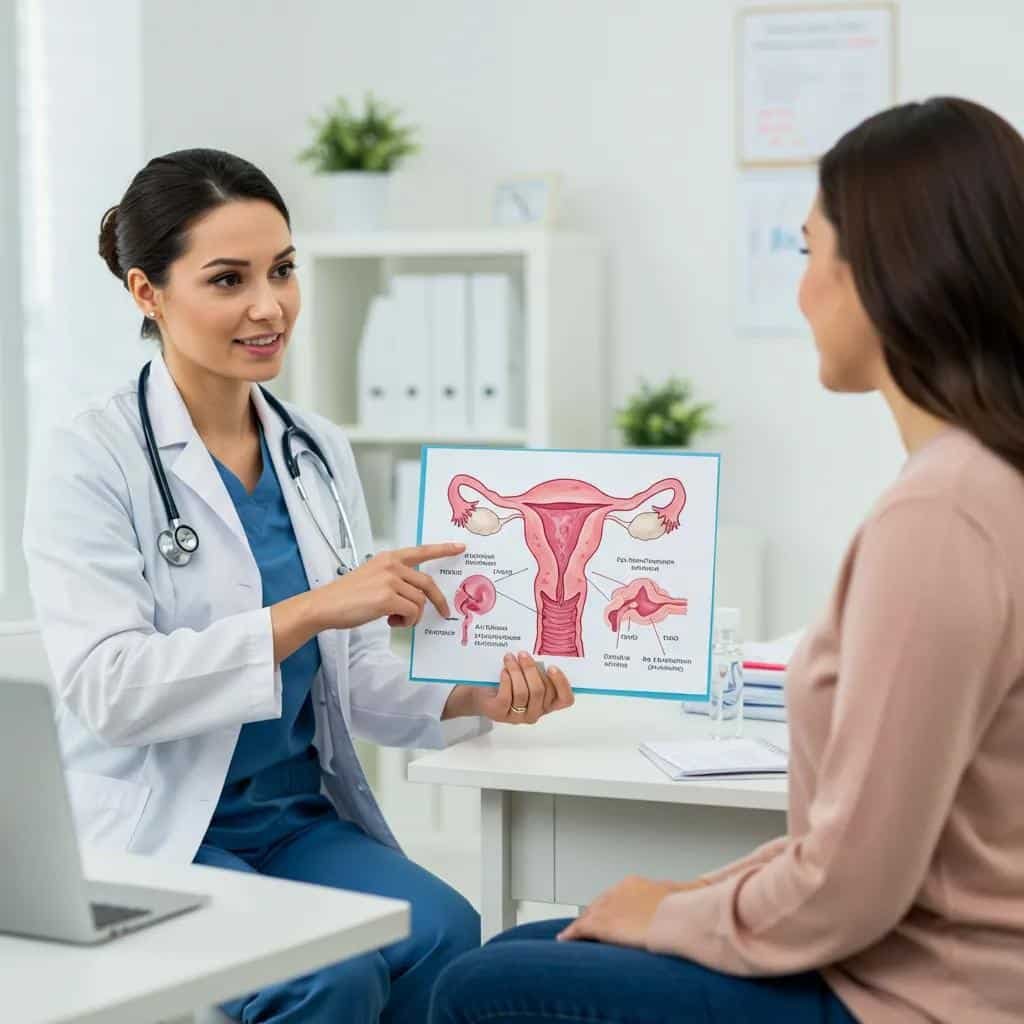
Pelvic pain and discomfort can disrupt daily life and activities, and seeing a gynecologist to discuss your symptoms helps you get the care and treatment you need. There are various causes of pelvic pain, ranging from temporary issues to chronic conditions that require more formal management. Here is more information about pelvic pain causes and treatments:
Understanding Pelvic Pain Causes
Pelvic pain is a type of discomfort that is felt in the lower abdomen, pelvis, or perineum. A gynecologist can help identify its root cause. The pain may be acute or chronic, and it ranges from a dull ache to sharp, stabbing sensations. Several gynecological conditions are known to cause pelvic pain, including endometriosis, uterine fibroids, menstrual cramps, and constipation.
Identifying Signs of Endometriosis
Endometriosis is a condition in which tissue similar to the uterine lining grows outside the uterus. This growth can affect the ovaries, fallopian tubes, and surrounding pelvic tissue. When the tissue responds to hormonal changes just as uterine tissue does, it thickens or breaks down with each menstrual cycle, but unlike the tissue inside the uterus, the tissue outside has nowhere to drain.
Common signs and symptoms of endometriosis include:
- Painful periods, including severe cramping before and during menstruation
- Pain during or after sexual intercourse
- Pain during bowel movements or urination, particularly during periods
- Excessive bleeding during or between periods
- Infertility, which is sometimes the first sign of the condition
Exploring Symptoms of Uterine Fibroids
Uterine fibroids are noncancerous growths that develop in or on the uterus. They are a common type of benign tumor in women of reproductive age. Many fibroids cause no symptoms at all, but their size and location can determine whether symptoms appear.
When symptoms do occur, they may include heavy or prolonged menstrual periods and pelvic pressure or fullness sensations. Frequent urination is caused by a fibroid pressing on the bladder. Some women also experience difficulty emptying the bladder and constipation; they may also experience backache and leg pain.
Diagnosing Constipation and Menstrual Cramps
Constipation occurs when bowel movements become infrequent or difficult to pass, and it can contribute to pelvic pain and discomfort. Symptoms include having fewer than three bowel movements per week and straining during bowel movements. While passing hard or lumpy stools is a sign of constipation, bloating and a feeling of incomplete evacuation are also common complaints.
Menstrual cramps are throbbing or cramping pains in the lower abdomen that occur around the time of a period. The symptoms of menstrual cramps can include:
- Dull, constant ache or throbbing pain in the lower abdomen
- Pain that radiates to the lower back and thighs
- Nausea or dizziness accompanying the cramping
- Headache as a secondary symptom during menstruation
While over-the-counter pain relievers may help with painful cramps, it is sometimes beneficial to apply heat to the sore area.
Find a Gynecologist Near You
Pelvic pain has many possible causes, and each condition presents with its own distinct symptoms. Some symptoms respond to at-home care and lifestyle changes, while others require medical intervention. To learn more about causes and sources of pelvic symptoms, consult a women’s healthcare provider near you.