
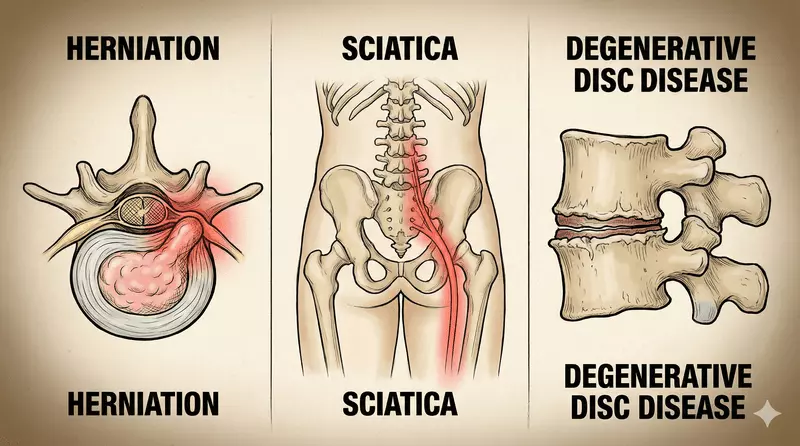
Spine pain can affect your daily life in many ways. You may struggle to sit, stand, or sleep comfortably. Some people improve with conservative care, but certain conditions may eventually call for spine surgery. Understanding when surgery makes sense helps you make informed decisions about your health, since you make the choices.
Recognizable Symptoms Worth Monitoring
Pain alone does not always point to spine surgery, so doctors look at the full picture before recommending any procedure. Persistent numbness, weakness, or tingling in your arms or legs may signal nerve pressure. These signs matter because they suggest the problem involves more than muscle strain, and they often guide the next steps in your care. Loss of bladder or bowel control is a warning sign, and when it appears alongside severe leg weakness, immediate evaluation matters. Your care team tracks how these symptoms change over time. Pain that travels down your leg or arm is another key indicator.
This radiating pain often follows a specific nerve path, and it can be sharp, burning, or electric. When this pattern appears, it helps your doctor pinpoint the source of the problem. Muscle weakness that worsens over time is also a concern, especially when it affects your ability to walk, grip objects, or climb stairs. These functional changes carry weight in surgical discussions. Your doctor will also ask how long you have had these symptoms, and they will discuss whether the pain responds to rest or movement. That information shapes the overall picture of your spine health.
Recommended Timing and Treatment
Timing plays a major role in surgical decisions. These methods give your body a chance to heal, and many people recover fully without ever needing an operation. Your doctor monitors your response to each treatment, and that progress guides the next decision. Surgery becomes an option when symptoms persist for weeks or months despite consistent treatment, and when daily function continues to decline. In those cases, waiting too long carries its own risks.
Common Surgical Spine Conditions
Some spine conditions respond well to surgery when other treatments fall short. Spine surgery for these conditions aims to reduce pressure and restore function. Your surgeon reviews your imaging, your history, and your goals, and that conversation helps make sure the plan fits your needs. Common surgical options for these conditions include:
- Discectomy: Removes the portion of a herniated disc pressing on a nerve; recovery is often fast
- Laminectomy: Widens the spinal canal to reduce pressure from stenosis and restore mobility
- Minimally invasive techniques: Use smaller incisions and cause less tissue disruption, resulting in shorter recovery times
Discuss Spine Surgery Today
You do not have to navigate spine pain on your own. A thorough evaluation gives you clarity about your options. Personalized care remains central to every recommendation, and your comfort guides each conversation about treatment. Schedule a consultation with a spine specialist to discuss your symptoms, and you will gain a clearer understanding of whether surgery fits your needs or whether conservative care can help you recover. Reach out today, since you can take the first step toward lasting relief.