
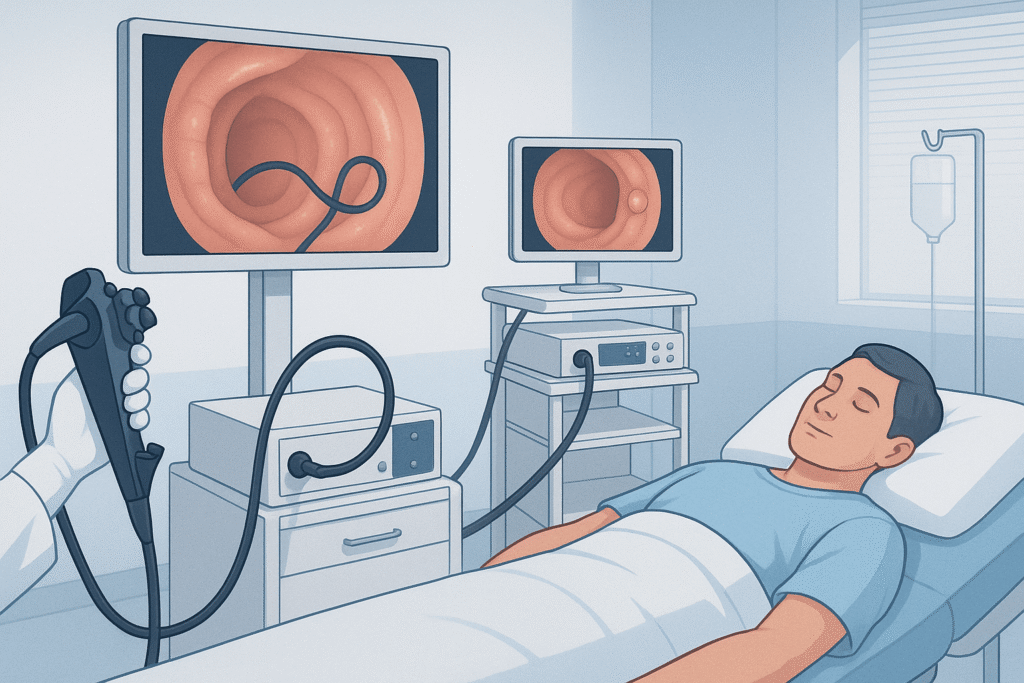
Colon cancer is a preventable cancer when detected early. Regular screening enables early detection, and patients who undergo routine screening may benefit from improved treatment outcomes. Since colon cancer often develops without noticeable symptoms, routine screening is a valuable preventative measure for adults who may otherwise remain unaware of its progression. Here is more information on what colon cancer screening involves and its benefits:
What Is Colon Cancer Screening?
Colon cancer screening is a medical procedure used to detect abnormalities in the colon and rectum before symptoms appear, and several methods are available. Each varies in procedure, frequency, and diagnostic capability. Physicians recommend screening based on individual risk factors, which make sure the most appropriate method is selected for each patient.
A colonoscopy is the most comprehensive screening method, and it allows a gastroenterologist to visually examine the entire length of the colon using a flexible, camera-equipped tube. Polyps or abnormal tissue can be removed or biopsied immediately during the procedure. Because the colonoscopy serves both a diagnostic and interventional purpose, it is one of the most complete screening options available. Stool-based tests detect traces of blood in the stool that may indicate the presence of polyps or cancer.
Why Is It Conducted?
Colon cancer screening is conducted for several key reasons, primarily focused on early detection and prevention.
- Identifying precancerous growths: Screening detects polyps before they develop into cancer, allowing for timely removal.
- Detecting cancer in its early stages: Routine screening helps identify the condition before it advances.
- Assessing individual risk: Adults aged 45 and older are generally recommended to begin regular screenings.
What Does the Process Entail?
A colonoscopy begins with a preparation phase, typically the day before the procedure. Patients follow a clear liquid diet, and they take a bowel-cleansing solution, which clears the colon to improve visibility. This preparation is necessary, as it enables accurate results.
During the procedure, a gastroenterologist inserts a thin, flexible tube called a colonoscope into the rectum, and the device transmits real-time images of the colon lining to a monitor. This allows the physician to identify polyps or irregularities. If polyps are detected, the gastroenterologist removes them immediately during the same procedure, which helps reduce the need for additional interventions.
What Are the Benefits?
Regular screening offers several key benefits, including early detection. When colon cancer is identified in its earliest stages, physicians have access to a broader range of treatment options, and patient outcomes may improve. Early-stage treatment may be less invasive and more effective. A consistent screening schedule allows gastroenterologists to monitor changes in the colon over time. This longitudinal approach provides information about long-term colon health, and it enables physicians to detect subtle changes.
Consult a Gastroenterologist Today
Regular colon cancer screening helps prevent colon cancer and improve survival outcomes. A colonoscopy allows for both detection and intervention in a single procedure, which makes it a practical, effective screening method. Adults 45 and older, or those with elevated risk factors, stand to benefit from establishing a routine screening schedule; speak with a gastroenterologist to determine the right screening timeline for your individual health needs.