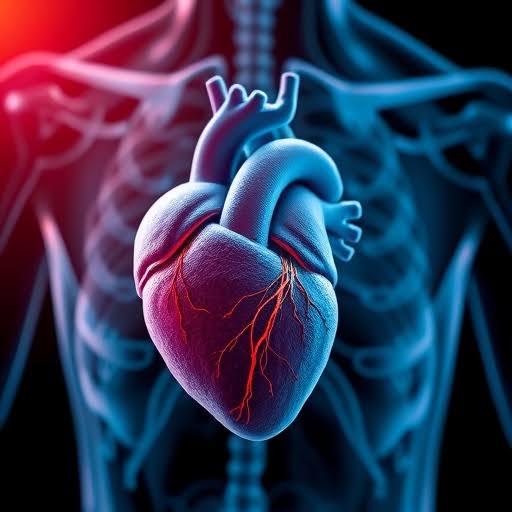
The heart is an organ that pumps blood through a network of arteries, veins, and capillaries. It works continuously, so changes in its structure, rhythm, or blood supply can affect many other organs and systems. Cardiology is the branch of medicine that focuses on the heart and blood vessels, together known as the cardiovascular system. Cardiologists evaluate, diagnose, and manage conditions that involve this system.
What Affects Heart Health?
Several conditions can change how the heart functions. Some develop gradually over many years, and others are present from birth. There are several issues that may impact heart health, including:
- Artery Disease: This condition develops when plaque, a buildup of cholesterol and other substances, narrows the arteries that supply the heart muscle.
- Arrhythmias: An arrhythmia is a heartbeat that is too fast, too slow, or irregular.
- Heart Failure: This term describes a heart that does not pump blood as effectively as the body requires.
- Heart Valve Disease: A heart valve may become narrowed or not close fully.
- Cardiomyopathy: This group of diseases affects the heart muscle itself, causing it to become enlarged, thickened, or stiff.
High blood pressure, or hypertension, is also linked to heart health because it increases the workload on the heart and arteries over time.
What Causes Them?
Heart conditions may result from a combination of factors. Factors that cannot be changed include age, family history, and genetics. The risk of many heart conditions rises with age. A parent or sibling with heart disease may also indicate a higher likelihood of developing similar conditions. Modifiable factors can be connected to daily habits and other health conditions; high blood pressure and elevated LDL cholesterol are among the most common contributors. Diabetes, excess body weight, and limited physical activity can also increase risk, as do diets high in sodium and excessive alcohol consumption.
How Are They Treated?
Cardiac care may begin with an evaluation. A cardiologist can review one’s medical history, symptoms, and family history, then perform a physical examination. Diagnostic tests help provide a clearer view of how the heart is working, and these may include:
- Electrocardiogram (ECG): Records the heart’s electrical activity.
- Echocardiogram: Uses sound waves to create images of the heart’s chambers and valves.
- Stress Testing: Monitors the heart during physical activity or with medication that simulates exercise.
- Event or Holter Monitors: Track heart rhythm over a period of days or weeks.
- Blood Tests and Imaging: Measure cholesterol and other markers or show detailed views of the arteries.
Cardiology treatment plans depend on the specific condition and its severity. Plans may begin with lifestyle recommendations, such as dietary changes, regular physical activity, and tobacco cessation. Medications can also be prescribed, and some help manage blood pressure, lower cholesterol, regulate heart rhythm, or reduce the risk of blood clots.
Some conditions may call for procedures. Angioplasty with stent placement can open narrowed arteries, and pacemakers help regulate heart rhythm. Surgical procedures, such as coronary artery bypass, may be recommended in some cases.
Consult a Cardiology Specialist
Some heart conditions develop without noticeable symptoms, so routine checks of blood pressure and cholesterol can help identify concerns at an earlier stage. Symptoms that may warrant evaluation include chest pressure, shortness of breath, palpitations, unexplained fatigue, fainting, or swelling in the legs. A cardiologist can review your history, allowing them to develop a treatment plan suited to your needs.