

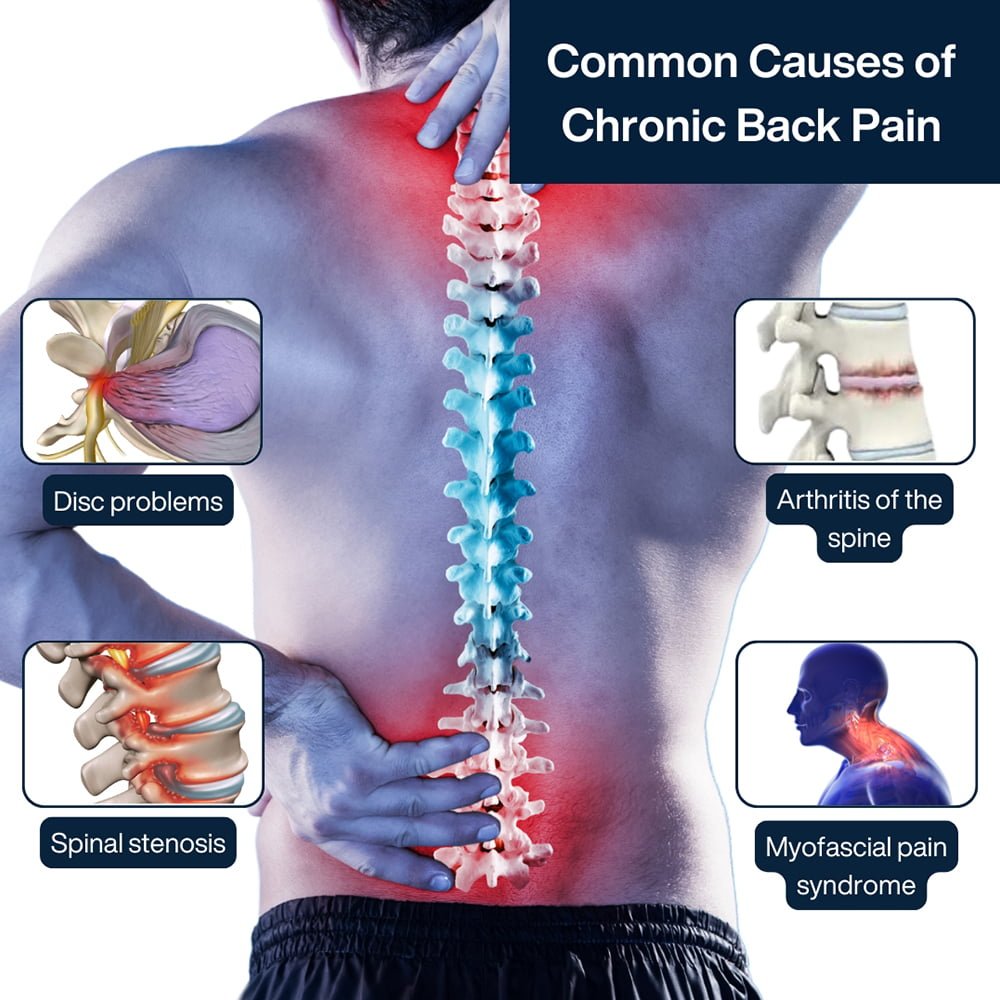
Back injuries can develop in many ways. A sudden fall, a car accident, or lifting a heavy object incorrectly can strain the muscles and structures that support the spine. Some spinal injuries may heal quickly, but others persist and require ongoing care. Repetitive motions, poor posture, and age-related changes may also contribute to long-term back problems. When managing chronic pain, working with an orthopedics specialist helps you determine what treatment options are appropriate for your condition. Here’s information on how to manage three chronic back conditions:
Pinched Nerve
A pinched nerve occurs when surrounding tissue, such as bone or cartilage, presses against a nerve root. This pressure can cause pain, numbness, or weakness along the affected nerve pathway. Several procedures may address discomfort associated with this condition.
Epidural Steroid Injection
An epidural steroid injection delivers medication into the epidural space around the spinal nerves, aiming to reduce inflammation near the compressed nerve. Physicians use imaging guidance to place the needle accurately, offering potential pain relief for a variety of back injuries. Relief varies from person to person, and some individuals may need more than one injection over time.
Lumbar Facet Block
A lumbar facet block targets the small joints located along the back of the spine. A physician injects medication near these joints to identify or address the source of pain, offering diagnostic and pain management benefits. This procedure helps doctors determine whether the facet joints are contributing to a patient’s symptoms, and this guides their next treatment steps.
Spinal Cord Stimulation
Spinal cord stimulation uses a small device placed near the spinal cord to send mild electrical signals into the body. These signals may alter how pain messages reach the brain, effectively reducing chronic pain. Candidates for this method undergo a trial period before a permanent device is fully recommended, as this management method does not work for everyone.
Sciatica
Sciatica refers to pain that travels along the sciatic nerve, which runs from the lower back down through each leg. The pain follows a specific path and may be accompanied by tingling or weakness. One pain management option a physician might discuss is a sacroiliac joint injection, which places medication into the joint that connects the base of the spine to the pelvis. Physicians recommend this procedure when the sacroiliac joint is suspected as a source of lower back or leg pain. The injection has two purposes:
- It may reduce inflammation
- It helps confirm the location causing pain
Spinal Stenosis
Spinal stenosis is a narrowing of the spaces within the spine; this narrowing places pressure on the spinal cord and nerves. Symptoms may include pain, numbness, or difficulty walking, and they often develop gradually over time. When this condition causes chronic pain issues, specialists may discuss lumbar spine surgery to address problems in the lower portion of the spine. These surgeries aim to relieve pressure on nerves or stabilize the affected area. Techniques vary, but a surgeon selects the approach based on the specific condition and the patient’s overall health.
To treat spinal stenosis, a percutaneous disc decompression is a minimally invasive procedure that reduces pressure within a disc. Another option is an endoscopic lumbar rhizotomy, which targets specific nerves to interrupt pain signals. Recovery timelines differ depending on the type of procedure performed.
Back Injuries Need Timely Management
Chronic back conditions can affect your daily activities, work, and overall comfort. Addressing symptoms early gives you and your medical team more time to evaluate the available options and monitor how your body responds. If you experience ongoing back pain, schedule an appointment with a spine specialist to discuss your care plan options today.