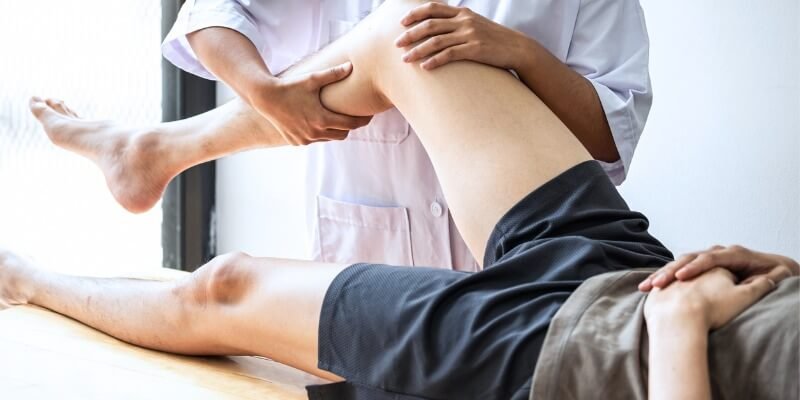
Leg pain can make walking, climbing stairs, exercising, and completing routine tasks difficult. Depending on its cause and severity, it may also affect balance, independence, sleep, and overall quality of life. Here is a closer look at the effects of leg pain on mobility and daily activities:
Mobility Limitations
Persistent leg pain often changes the way you walk, stand, and shift your weight. Recognizing these patterns is a key first step. The following signs are some of the mobility limitations that develop over time:
- Reduced walking distance: You cover shorter distances before needing rest, and long hallways or parking lots start to become demanding.
- Altered gait: Pain pushes you to limp or favor one side, and this uneven pattern places extra strain on other joints.
- Difficulty with stairs: Climbing or descending steps becomes slower, and you may grip handrails more firmly for support.
- Trouble standing for long periods: Standing in lines, cooking, or waiting may trigger discomfort, so you shift positions often or seek a place to sit.
- Slower transitions: Rising from a chair, getting out of bed, or moving from sitting to standing take longer.
Work and Household Tasks
Work responsibilities often expose the limits that leg pain creates, especially in roles that require standing, walking, or repeated movement. You may find that tasks you once completed without thought now demand pacing and rest; this change can influence your schedule. Some people rearrange their duties, request seating options, or break large jobs into smaller segments. These help them continue working with fewer interruptions. Chores like cleaning, laundry, and grocery shopping involve bending, lifting, and moving between rooms. Planning your route through the house, keeping frequently used items within easy reach, and sitting during tasks when possible all reduce the strain that builds up over a day.
Exercise and Recreation
Physical activity often changes when leg pain limits your range of comfortable movement, and people may trade high-impact routines for gentler options. Swimming, stationary cycling, and water-based movement place less pressure on the legs, so they may feel more manageable than running or long walks. A measured approach, where you start slowly and track how your body responds, helps you stay active without overextending yourself. Recreation and social activities also change, and hobbies that once involved standing, hiking, or travel may require new planning.
Independence and Well-being
Ongoing leg pain can test your sense of independence, but there are several practical habits that can help you maintain control over daily life. Here are some of them:
- Modify your home environment: Clear walkways, secure rugs, and install grab bars in key areas to reduce fall risk.
- Use assistive devices when helpful: Canes, walkers, or supportive footwear can steady your steps and conserve energy.
- Pace your activities: Balance active periods with rest so you avoid pushing past your limits.
- Stay connected: Maintain relationships and ask for support with tasks that strain you.
Book Your Leg Pain Appointment
Managing leg discomfort requires a multifaceted approach that includes staying active within your limits and balancing activity with sufficient rest. You should also maintain supportive social connections and track symptoms to identify triggers effectively. Implementing these strategies can help you take meaningful steps to alleviate discomfort and improve your quality of life. Contact a qualified pain specialist near you to book your leg pain appointment today.