
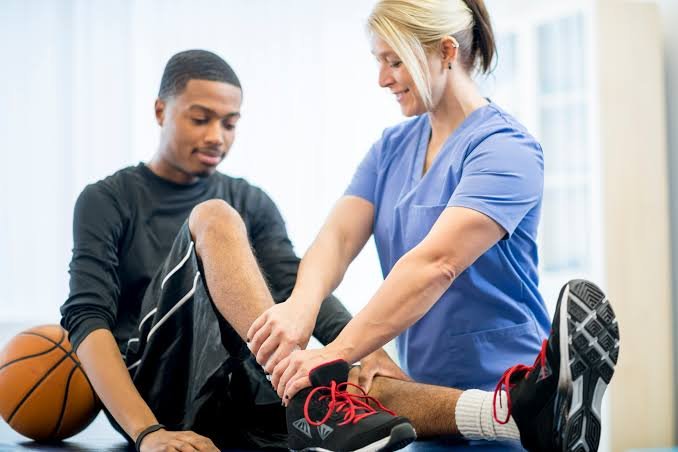
Sports injuries can occur during athletic activities and affect bones, joints, muscles, and ligaments. An orthopedic surgeon evaluates these injuries, reviews diagnostic information, and discusses available treatment options. Understanding the evaluation and recovery process helps athletes prepare for orthopedic care after an injury. Here is more information about the role of orthopedic surgeons in treating sports injuries:
Diagnosing Sports Injuries
Diagnosing a sports injury begins with a review of the patient’s symptoms, medical history, and physical examination findings. An orthopedic surgeon may use imaging tools, such as X-rays or MRI scans, to gather additional information about the affected area. These evaluations help providers understand the injury and discuss appropriate care options.
Sports-related injuries can affect areas such as the knees, shoulders, ligaments, and muscles. Conditions like ligament injuries, rotator cuff concerns, and meniscus issues require careful evaluation before treatment recommendations are made. A surgeon evaluates the type of injury, symptoms, and individual needs when developing a care plan.
Non-Surgical Treatment Options
Non-surgical treatments are often discussed as part of sports injury care. A surgeon may recommend options such as physical therapy, bracing, injections, or orthobiologics based on the patient’s injury and health needs. Orthobiologics use biological materials from the body and are able to be discussed as part of certain treatment plans. A provider evaluates each injury and reviews available options to determine an appropriate approach.
Surgical Repair and Reconstruction
When non-surgical treatments do not address a sports injury, a surgeon may discuss surgical options. Repair and reconstruction procedures are used for certain injuries involving the knees, shoulders, and other areas. Treatment recommendations depend on the type of injury, symptoms, and individual health factors.
Some sports injury procedures focus on repairing damaged structures, such as ligaments, tendons, or cartilage. Examples may include ACL reconstruction, meniscus repair, and rotator cuff repair. An orthopedic surgeon evaluates each condition and explains available surgical approaches during the consultation.
Arthroscopic techniques use a small camera and specialized instruments during certain procedures. This approach allows surgeons to view and treat affected areas through smaller incisions. Your provider can explain the surgical process, recovery expectations, and rehabilitation plan based on your specific procedure.
Joint Preservation Strategies
Joint preservation is an approach used in orthopedic sports medicine to support long-term joint health. Orthopedic surgeons evaluate the condition of cartilage, bone, and surrounding structures when discussing care options. Treatment plans may focus on addressing injuries, protecting joint function, and supporting an athlete’s individual needs.
Rehabilitation and Return to Sport
Recovery after a sports injury often includes rehabilitation and ongoing follow-up care. An orthopedic surgeon may coordinate with other healthcare professionals to develop a plan focused on strength, mobility, and function. Rehabilitation recommendations vary based on the injury, procedure, and individual recovery needs.
Return-to-sport plans are developed through gradual progressions and regular evaluations. Providers are able to review movement, strength, and activity levels when discussing readiness for athletic participation. This process helps guide decisions about when an athlete can safely resume sport-related activities.
Schedule With an Orthopedic Surgeon
Sports injuries can affect mobility, strength, and participation in daily activities. An orthopedic surgeon evaluates symptoms, reviews diagnostic information, and discusses available treatment options during a consultation. Providers develop care plans based on the injury, health history, and individual goals. Schedule an appointment today to discuss your sports-related injury and explore orthopedic care options with a qualified provider.