
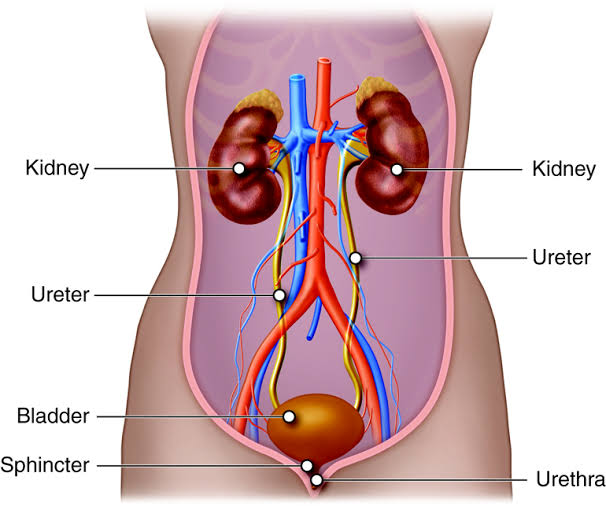
A urologist treats conditions of the urinary tract and the male reproductive system. These doctors manage kidney stones, bladder infections, and prostate concerns, and they also perform screenings and minor procedures. If your doctor refers you to a urologist, a short list of questions helps you use the visit well. Here are some questions you can ask during your consultation:
What Screening Do I Need?
Screening needs vary by age, sex, and family history, so ask which tests apply to you. Your urologist may order tests that match your symptoms and history. Typical options include the following:
- Urinalysis: checks urine for infection, blood, or protein
- Urine culture: identifies the bacteria behind an infection
- PSA blood test: screens for prostate problems
- Ultrasound: shows the kidneys and bladder
- Cystoscopy: uses a thin camera to view the inside of the bladder
When the doctor recommends a test, ask what it checks for and how to prepare. Some tests require a full bladder or fasting. Ask about insurance before the visit ends, and confirm which tests are covered. Write down the answers so you remember them later.
Are My Symptoms Normal?
Many urinary symptoms have simple causes. Burning during urination often points to a urinary tract infection, though irritation from soaps or products can also cause it. Describe when the burning started, and mention any fever or back pain.
Discharge from the penis or vagina needs attention because it may signal an infection. Clear discharge may have one cause, and yellow or green discharge may have another. Note the color, smell, and amount before your visit. Your urologist may test a sample during the appointment.
Cramps in the lower belly may come from the bladder, or they may come from a kidney stone. Track the location, timing, and strength of the pain. Go to an emergency room if the pain is severe or comes with vomiting and fever.
When Are the Results Ready?
Turnaround times differ by test. A urine dipstick gives results within minutes, but a urine culture usually takes two to three days. Blood tests like PSA often return within a week, while biopsy results may take longer. Ask for the expected date for each test.
Before you leave, ask how the office will share your results. Many clinics post results to a patient portal. Some offices call with every result, and others send a text or email. Ask who to contact if a result raises new questions.
Do I Need Lifestyle Changes?
Daily habits affect bladder and kidney health, and your urologist may suggest specific changes. The advice will depend on what your tests show. Common topics include the following:
- Daily fluid intake goals
- Limits on caffeine, alcohol, and salt
- Bathroom timing and bladder training
- Pelvic floor exercises
- Diet changes to lower kidney stone risk
If a change feels hard to manage, tell your doctor. Small steps are easier to track, and your doctor may adjust the plan at your next visit. Keep a short log of fluids, food, and bathroom trips. Bring the log to each follow-up appointment.
Book a Urologist Appointment
Write your questions down before the visit, and bring a list of your current medications. Arrive a few minutes early with your insurance card and photo ID. If urgent care referred you, bring copies of any test results from that visit. Call the office to book a time that fits your schedule.