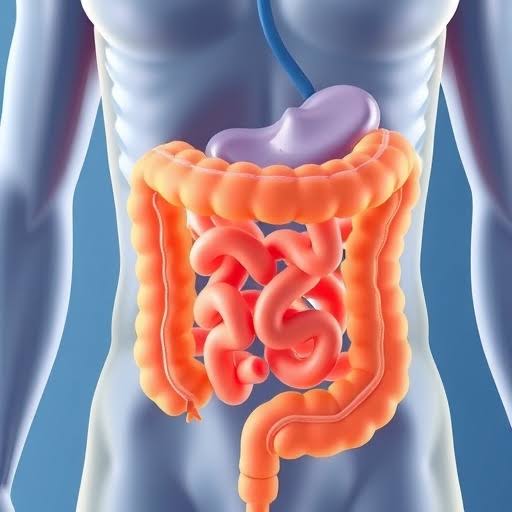
The human body has a natural ability to repair itself, but injuries, aging, and chronic conditions can sometimes slow or limit this repair process. Regenerative medicine is a field of health care that studies ways to support the body’s own healing mechanisms. Some regenerative approaches are already used in clinical settings. Learning how these therapies work, as well as which conditions they address and what advantages they may offer, helps patients hold informed discussions with their health care providers.
What Is Regenerative Medicine?
Regenerative medicine is a specific branch of medicine, and it focuses on repairing, replacing, or restoring cells, tissues, and organs affected by injury, disease, or aging. These therapies aim to work with the body’s biological processes, supporting tissue repair. Common types include:
- Platelet-rich Plasma (PRP) Therapy: A small sample of the patient’s blood is processed in a centrifuge to concentrate platelets, which contain proteins called growth factors.
- Cell-based Therapies: These treatments use cells, often collected from the patient’s own bone marrow, to support repair in a specific region of the body.
- Injected Prolotherapy: A solution, frequently containing dextrose, is injected into a ligament or tendon to prompt a localized healing response.
Physicians can use ultrasound or other imaging tools to guide injections to a precise location. The availability of each therapy varies.
What Does It Treat?
Regenerative medicine is commonly used in orthopedics, fields that address conditions affecting the bones, joints, muscles, tendons, and ligaments. Providers may recommend regenerative therapies for a range of conditions. This includes osteoarthritis in the knees, hips, or shoulders, tendon injuries, such as tennis elbow and Achilles tendinopathy, ligament sprains and partial tears, rotator cuff injuries, and muscle strains. Regenerative therapy may be combined with physical therapy or other forms of care to support the best possible outcome.
What Are the Benefits?
Regenerative therapies can offer several potential advantages compared with some traditional treatment options. Individual results vary, and outcomes depend on factors such as the type of condition, its severity, and the patient’s overall health. Potential benefits vary, including:
- Minimally Invasive Procedures: Most treatments involve injections rather than surgical incisions, which may reduce the need for general anesthesia.
- Shorter Recovery Periods: Because these procedures are less invasive than surgery, many patients can resume light daily activities relatively soon, based on their provider’s instructions.
- Outpatient-based Care: Many procedures take place in a clinic, often allowing patients to return home the same day.
- Possible Alternative to Surgery: For some individuals, regenerative treatment may delay or reduce the need for more invasive procedures.
A frank discussion with a provider can help clarify what a given therapy is able to achieve.
Seek Professional Medical Services
Treatment plans often involve more than one session, and they may involve follow-up visits and a structured rehabilitation program. Patients can also be asked to pause certain medications before and after some procedures. If you are experiencing persistent joint pain or a slow-healing injury, a medical provider is able to evaluate your condition. A thorough evaluation helps identify which therapies may suit your needs and how they compare with other available treatments.