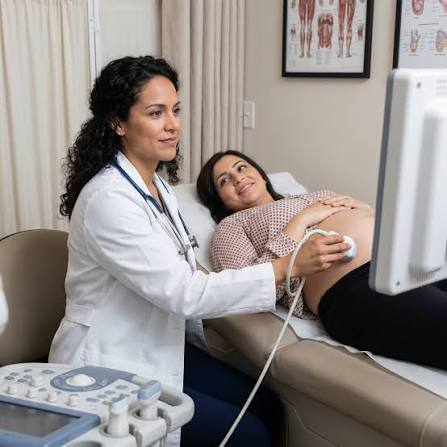
Pediatric imaging plays a role in diagnosing and monitoring health conditions in children. Children with special needs sometimes require accommodations at appointments, and imaging may require a more thoughtful and individualized approach. Factors such as communication challenges, sensory sensitivities, mobility limits, developmental differences, or medical complexity can affect how an exam is planned and performed. With proper preparation and appropriate adjustments, pediatric scans can remain safe and effective for patients.
Introducing Pediatric Imaging
Pediatric imaging is imaging exams that are designed for infants, children, and teens. These studies help doctors look inside the body to assess organs and bones, or they may need to view soft tissues and blood vessels. Common types of pediatric scams include X-rays, ultrasound, CT scans, MRI scans, and fluoroscopy.
A child may need pediatric scans for many reasons; doctors may order it to evaluate pain, breathing issues, injuries, infections, digestive problems, or developmental concerns. Imaging can also help confirm a diagnosis, guide treatment decisions, and track condition changes over time. Because children are still growing, imaging teams use techniques that support accurate results while taking age and safety into account.
Accommodating Pediatric Patients
Imaging techniques often need to be adapted for children because pediatric patients have different physical and emotional needs than adults. One adjustment is the use of child-sized equipment settings. Lower radiation doses may be used during X-rays and CT scans, and imaging protocols are tailored to the child’s body size and the clinical question being asked.
To achieve comfort and cooperation during pediatric imaging, staff can implement several strategies:
- Provide clear communication: Offer simple explanations and reassurance in a calm setting to help children remain still during the procedure.
- Utilize distraction tools: Employ various distraction methods or involve caregivers to improve the patient experience.
- Optimize exam parameters: Try shorter examination times to minimize discomfort.
- Administer sedation: In cases where movement could compromise image quality or if a child cannot safely complete the study, sedation is an option to provide necessary support.
Modifying Imaging Techniques
Children with disabilities or special needs may benefit from more personalized modifications before and during pediatric imaging exams. These adjustments often begin with communication. By implementing personalized modifications, imaging teams can significantly improve the pediatric imaging experience. Key adjustments include:
- Tailored Communication: Engaging with families to understand the child’s preferred communication methods, calming techniques, and potential distress triggers allows the care team to develop a more effective and supportive imaging plan.
- Flexible Scheduling: Offering longer or more flexible appointment times can accommodate the unique requirements of children with autism, developmental delays, or other complex medical conditions.
- Sedation and Anesthesia: After a thorough review of the child’s health status and imaging requirements, sedation or anesthesia may be administered to achieve the successful and safe completion of the study.
These strategic modifications not only enhance image quality but also reduce patient fear and discomfort, minimizing the need for repeat examinations.
Diagnosing Childhood Conditions
Pediatric imaging can help doctors diagnose a wide range of conditions. While it is commonly used to identify fractures, joint injuries, pneumonia, abdominal pain, bowel issues, kidney problems, and head injuries, it can also support the evaluation of congenital abnormalities, spinal concerns, tumors, and infections. In children with special needs, imaging may also be part of ongoing care for various conditions; these include neurologic, orthopedic, gastrointestinal, or cardiopulmonary conditions.
Get Pediatric Care Today
Pediatric imaging helps doctors diagnose many health concerns in children, but successful imaging often depends on using the right approach for each patient. Standard pediatric adjustments improve safety and comfort, while additional modifications for children with disabilities or special needs can support better cooperation and more accurate results. To learn more about pediatric imaging concerns, consult a pediatric radiologist near you.
Find more practical guides on Metromsk.Com.
- How to Use Metromsk.Com: A Reader’s Guide to Finding Answers Faster
- Metromsk.Com Editorial Standards: How Guides Are Researched, Checked and Updated
- Metromsk.Com Topic Desks: A Guide to the Eight Categories and What Each Covers
- How to Protect Your Online Accounts: Passwords, Passkeys, MFA and Phishing
- How to Build an Emergency Fund Step by Step