
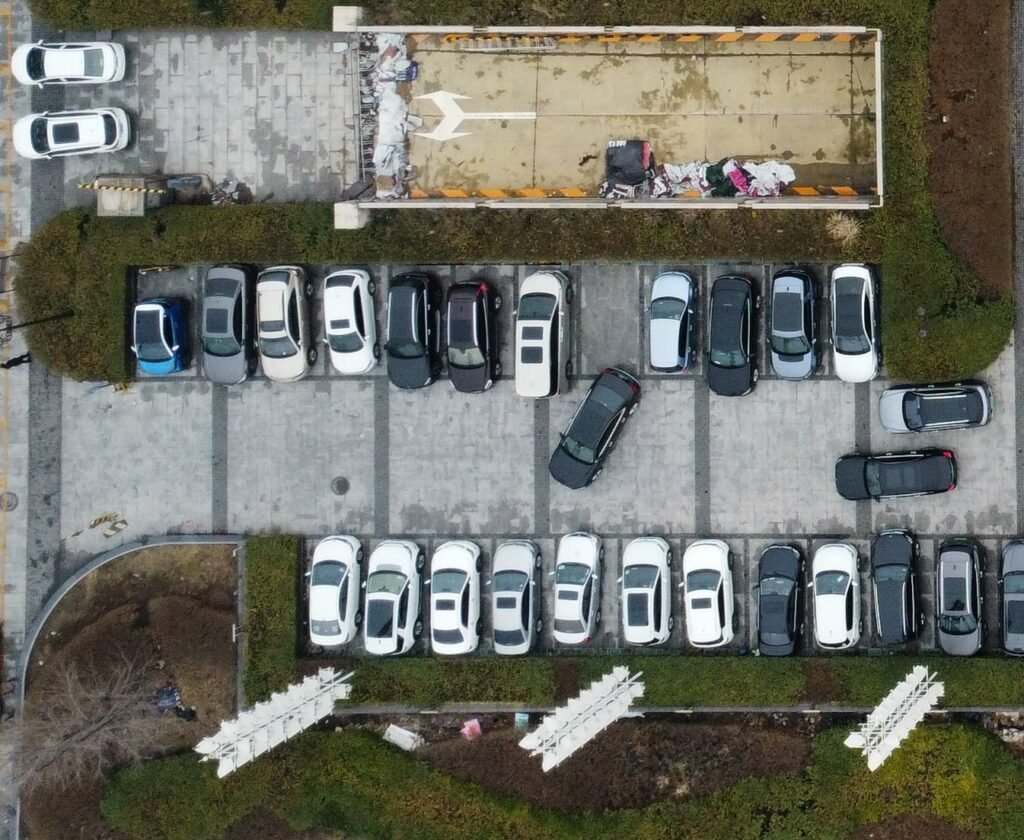
The limited land use in cities may contribute to traffic congestion and reduced accessibility for drivers. These issues sometimes stem from limited parking infrastructure and an overdependence on street stalls; parking garages offer a practical solution by optimizing space and improving urban mobility. Here is how parking garages can contribute to city planning:
Support Urban Mobility
Parking garages provide space for many drivers to park their vehicles without requiring a large footprint like single-level parking lots. It helps reduce vehicles parked on the street, which takes up spaces and may hinder traffic flow. This makes it challenging for you as a driver and other road users to navigate through the city efficiently. Garages give you the flexibility of finding a parking spot close to your destination instead of circling around for hours searching for one on the street. You may end up saving time and contributing to reduced traffic congestion, making the city more efficient.
Many garages are located near popular destinations, so you are able to easily walk to nearby restaurants, stores, or tourist attractions. Easy mobility lets you explore more of the city. You don’t have to focus solely on finding parking spots. More garages in a city indicate better organization, and it becomes easier to plan your routes and daily activities.
Enhance Urban Safety
When your car is parked inside an enclosed parking garage, it may stay under surveillance, reducing cases of theft and vandalism. Some garages have surveillance cameras and proper lighting. Your car can also be safe from elements like wind and rain. Parking at a garage close to your destination allows you to avoid walking long distances or crossing busy streets. This may help you if you frequently use your car in order to do run errands. Garages that use motion-activated lighting let you avoid walking in the dark.
Promote Sustainable Practices
The design of some garages helps with a city’s plans for a greener environment. A planned garage may reduce traffic congestion, air pollution, and fuel consumption, since more drivers can park in a single space and avoid idling in streets. By building parking spaces upward instead of outward, the area surrounding the garage is freed up for different uses, such as green spaces or parks. A garage can even have a rooftop garden or park; this helps promote a natural environment in a densely populated urban space.
Support Event Parking
Events like concerts, sports games, or festivals can bring heavy traffic to a concentrated area; this leads to an increase in parking demands. Some event centers and stadiums have dedicated parking garages to help facilitate the influx of vehicles. Garages may have features to create a streamlined parking experience during events, such as:
- Reservation systems that help make planning ahead easier.
- Close proximity to event venues so attendees can spend less time walking.
- Display signs showing where available spots in a garage are.
Improve Urban Aesthetics
Street parking could make a road look crowded, so parking your car in a garage helps keep the clutter of parked vehicles off the streets. Unlike parking lots or street stalls, garages can be built according to the architectural design of the city. Some garages are also built underground, so the ground level is reserved for shops and green spaces, helping to create an aesthetically pleasing street front.
Find Parking Garages
Choosing designated parking garages can help you save time for meeting your deadlines and attending events. It may make city planning easier and support the smooth flow of traffic. Contact a garage management to choose your preferred package, or use their website to pre-book your spots for easy access to your destination.
Read more in-depth guides on Metromsk.Com.
- How to Use Metromsk.Com: A Reader’s Guide to Finding Answers Faster
- Metromsk.Com Editorial Standards: How Guides Are Researched, Checked and Updated
- Metromsk.Com Topic Desks: A Guide to the Eight Categories and What Each Covers
- How to Protect Your Online Accounts: Passwords, Passkeys, MFA and Phishing
- How to Build an Emergency Fund Step by Step