The energy-efficient home upgrades that lower bills most reliably are air sealing and insulation, a smarter approach to heating and cooling, LED lighting, and efficient appliances and water heating when old ones need replacing. Start with the cheap, high-impact fixes that stop wasted energy, then plan larger equipment upgrades around natural replacement times.
In this Metromsk.Com guide, we rank the most practical upgrades by cost and effort so you can decide where your next dollar does the most good.
Key Takeaways
- Heating and cooling use the biggest share of home energy, so target them first.
- Air sealing and insulation are often the most cost-effective improvements you can make.
- LED bulbs and smart thermostats are low-cost upgrades most homeowners and many renters can do.
- Replace furnaces, water heaters, and appliances with efficient models when they wear out, not before.
- Check local utility rebates before you buy to reduce upfront costs.
Start With an Energy Checkup
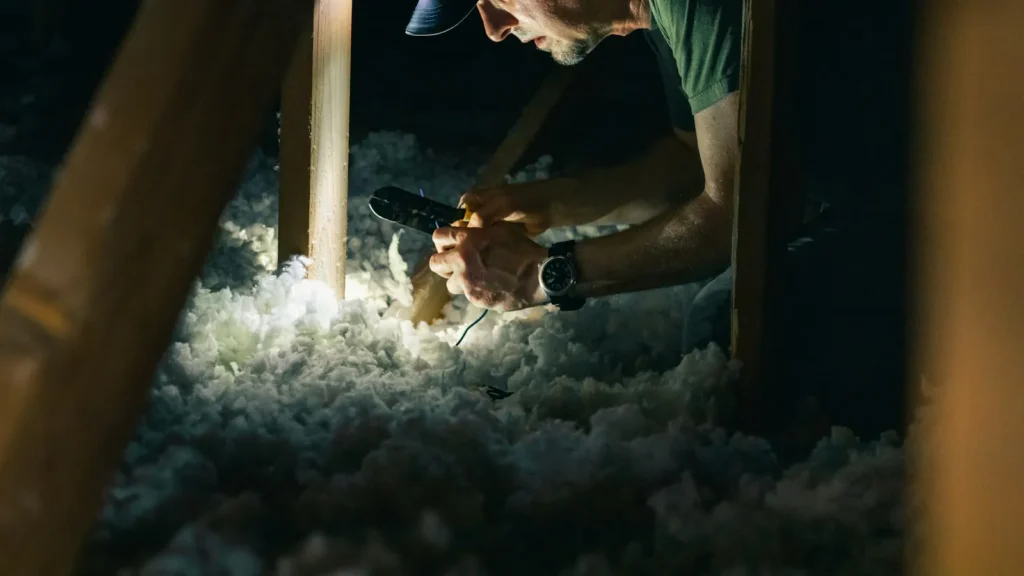
Before buying anything, find out where your home loses energy. Many utilities offer free or low-cost home energy assessments. A professional auditor may use a blower door test and an infrared camera to find leaks and missing insulation.
You can also do a basic walk-through yourself. Look for drafts around windows, doors, and outlets, check how much insulation is in the attic, and note the age of your heating system, water heater, and major appliances. Review a year of utility bills to spot seasonal spikes.
Seal Air Leaks and Add Insulation
Heating and cooling account for a large share of most energy bills. ENERGY STAR notes that as much as half of all household energy use goes toward heating and cooling, and it describes air sealing and insulation as often the most cost-effective way to improve efficiency and comfort.
The payoff can be meaningful. According to ENERGY STAR’s guide to sealing and insulating your home, doing so can save up to 10 percent on annual energy bills.
- Caulk gaps around window frames, baseboards, and plumbing penetrations.
- Add weatherstripping to exterior doors and attic hatches.
- Seal and insulate accessible ductwork in attics, crawl spaces, and garages.
- Top up attic insulation, which is often the easiest place to add more.
Sealing and caulking are friendly DIY projects. Attic insulation and duct sealing can be done yourself, but many homeowners hire a contractor for safety and thoroughness.
Upgrade Heating, Cooling, and Controls
Your heating and cooling system works hardest, so small improvements add up. Change or clean filters regularly, schedule annual maintenance, and keep vents clear of furniture.
A programmable or smart thermostat helps you avoid heating and cooling an empty house. Our beginner’s guide to smart home devices explains how to choose and set one up securely.
When your furnace, air conditioner, or boiler reaches the end of its life, compare high-efficiency replacements such as ENERGY STAR certified heat pumps. Proper sizing and quality installation matter as much as the equipment itself, so get more than one contractor quote.
Switch to LED Lighting
Replacing older incandescent and halogen bulbs with LEDs is one of the simplest upgrades in any home. LEDs use far less electricity, last much longer, and produce less heat, which also eases the load on air conditioning in summer.
Start with the fixtures you use most, like kitchen, living room, and outdoor lights. Look for the ENERGY STAR label and choose a color temperature you like, since warmer tones suit living spaces and cooler tones suit work areas.
Compare Upgrades by Cost and Effort
| Upgrade | Typical cost level | DIY-friendly? | Best time to do it |
|---|---|---|---|
| LED bulbs | Low | Yes | Any time |
| Caulking and weatherstripping | Low | Yes | Before heating or cooling season |
| Smart or programmable thermostat | Low to moderate | Often | Any time |
| Attic insulation | Moderate | Sometimes | After air sealing the attic floor |
| Duct sealing | Moderate | Sometimes | During HVAC maintenance |
| Heat pump water heater | Higher | No | When the old water heater fails or ages |
| Heat pump or new HVAC system | Highest | No | At end of current system’s life |
Choose Efficient Appliances and Water Heating
Water heating is another major energy user. Insulate accessible hot water pipes, fix dripping faucets, and install low-flow showerheads. If you are remodeling a bathroom, efficient fixtures fit naturally into the project, as covered in our guide to simple bathroom renovations.
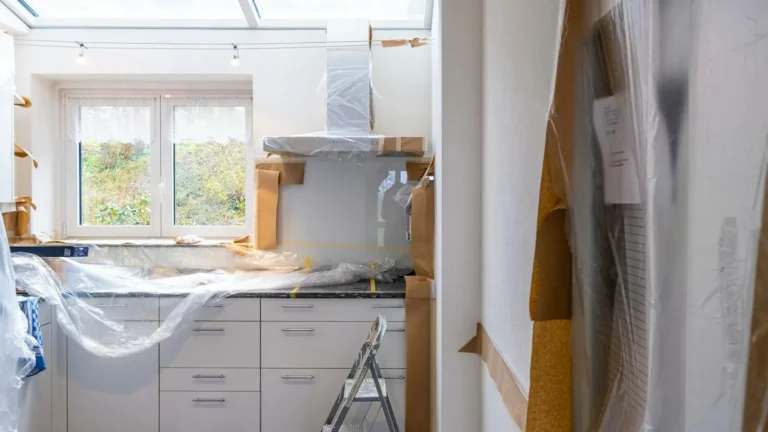
When a refrigerator, washer, dryer, or dishwasher needs replacing, look for ENERGY STAR certified models. Planning a bigger project? Our kitchen remodel planning guide explains how to fit efficient appliances into your layout and budget.
Don’t Forget the Finishing Touches
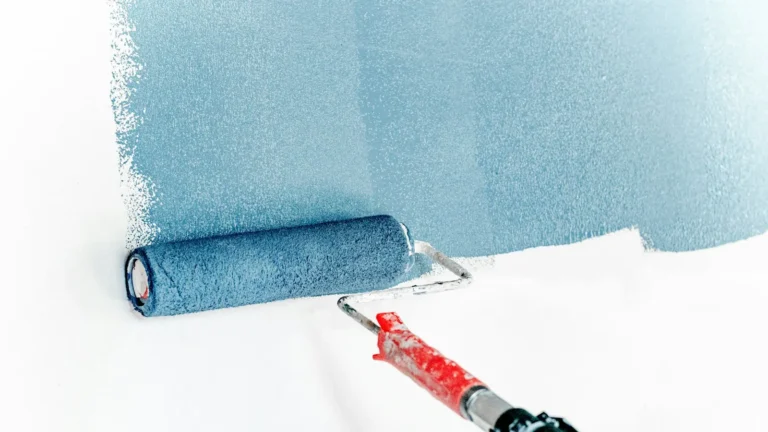
Window treatments help too. Cellular shades, heavy curtains, and exterior shading reduce heat gain in summer and heat loss in winter. Light-colored interior finishes can brighten rooms so you rely less on artificial light; see our feature on designer paint finishes for ideas that look good and work hard.
Plan and Pay for Upgrades Wisely
Make a simple list ranked by cost, payback, and urgency. Tackle low-cost fixes immediately, and schedule larger replacements for when equipment nears the end of its life. Readers of Metromsk.Com often find that spreading projects over a few years keeps costs manageable.
Check your utility’s website and the ENERGY STAR rebate finder for local incentives before you buy. Rebates and financing programs change often, so confirm current terms with the program directly. Building upgrades into your household budget with one of the budgeting methods we explain helps you save for bigger projects without debt.
Note: This article is general information, not financial advice. Costs, savings, and incentives vary by home, climate, and location.
Find more projects in our home improvement section, money-saving strategies in finance, and the latest from the full Metromsk.Com library.
Planning a refresh at the same time? Our interior painting tips cover prep, tools and finishes, and a guide to smart home devices explains how thermostats and plugs can help you track energy use.
Frequently Asked Questions
Which energy upgrade should I do first?
Start with an energy assessment, then focus on air sealing and insulation, because heating and cooling use the most energy in most homes. Those projects are often inexpensive and make every later upgrade more effective. Switching to LED bulbs and setting a thermostat schedule are quick wins you can complete this weekend.
Are energy-efficient home upgrades worth it for renters?
Yes, within limits. Renters can switch to LED bulbs, use draft stoppers and removable weatherstripping, add insulating curtains, and unplug idle electronics. Ask your landlord before installing a thermostat or making permanent changes. Some landlords welcome efficiency improvements because they make the unit more comfortable and appealing to future tenants.
Do I need a professional for an energy audit?
A do-it-yourself walk-through can reveal obvious drafts, thin attic insulation, and aging equipment. A professional assessment goes further with tools like blower door tests and infrared cameras that find hidden leaks. Many utilities offer subsidized audits, so check with your provider before paying full price for one.
Should I replace working appliances to save energy?
Usually not. Replacing a working appliance early rarely pays back quickly, because you lose the remaining value of the old one. The smarter approach is to research efficient models now and buy one when the current appliance fails or needs a costly repair. Very old refrigerators and freezers can be exceptions.